 Chris Robert
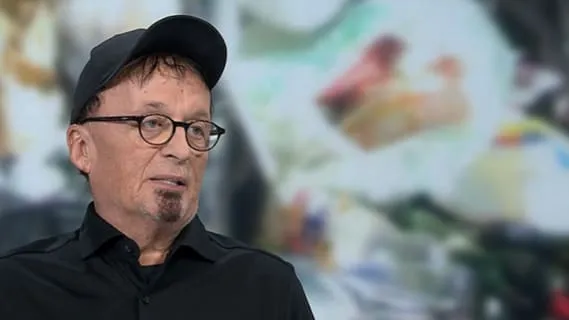
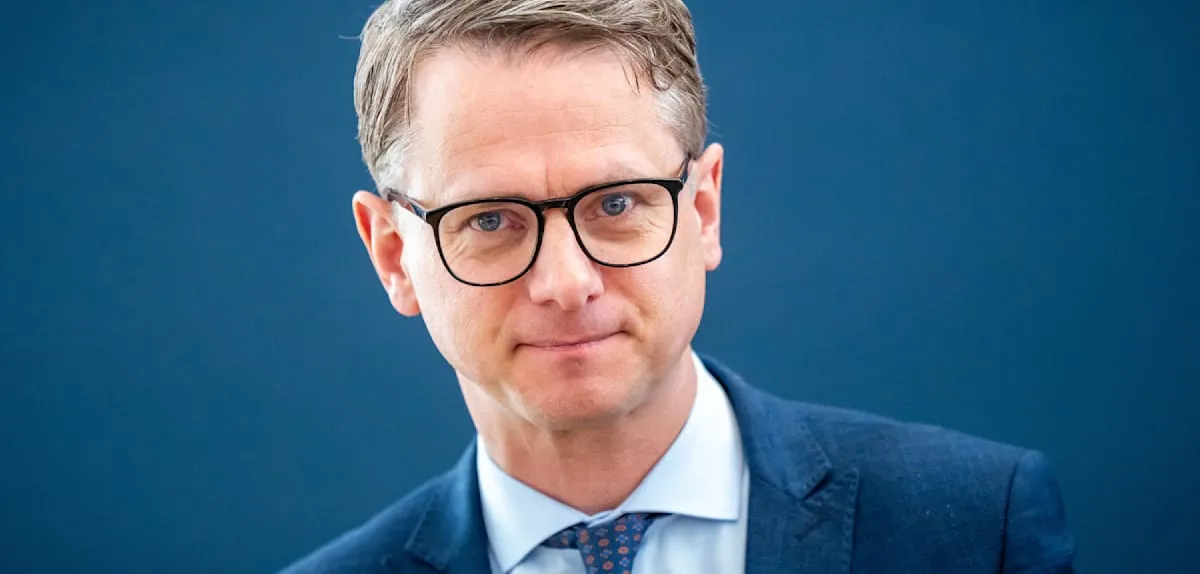
BERLIN — Stefan Evers, the leading candidate for the Christian Democratic Union (CDU) in the 2026 Berlin election, has ignited a fierce debate with a controversial proposal to mandate social welfare recipients to participate in city clean-up tasks. The idea immediately drew skeptical reactions, with key critics stating that the policy is unrealistic and potentially ineffective in addressing the root causes of poverty and unemployment.
Evers, actively raising his public profile ahead of a crucial political contest, argues that the program would foster a sense of social responsibility and make a tangible contribution to the cleanliness of the German capital. He believes this step could serve as a bridge for social welfare recipients to become productively active again.
However, a differing view was expressed by Wolfgang Büscher, spokesperson for the non-profit organization "Arche," which focuses on supporting marginalized individuals. Büscher firmly rejected the idea, emphasizing that forcing individuals to clean the city is not a sustainable solution. "It will not work," Büscher stated.
According to Büscher, a more constructive approach is to integrate social welfare recipients into the formal and dignified labor market. He stressed the importance of finding stable "employment and income" as a fundamental way out of social dependency.
This discourse emerges amidst a volatile political landscape in Berlin, grappling with various social and economic challenges. Evers' proposal, while potentially attracting voters who desire order and discipline, also risks alienating segments of society who view such a policy as a form of stigmatization.
Criticism of Evers' proposal is not only coming from social organizations. Several political observers also question the feasibility of implementing such a program, particularly concerning logistical aspects, funding, and labor law compliance. They highlight that creating a fair and effective system would be highly complex.
As a candidate leading the CDU amidst an electoral crisis in Berlin, as reported in the article "Berlin in Turmoil: Stefan Evers Leads CDU Amidst Electoral Crisis", Evers needs innovative strategies to attract support. This proposal is believed to be his strategic effort to stand out in the media and differentiate his platform from other candidates.
The debate surrounding social policies in Germany, especially regarding the state's role in assisting the unemployed and the poor, often becomes heated. Ideological differences between political parties frequently lead to polarizing proposals, balancing emphasis on individual rights versus social obligations.
Proponents of similar programs in the past often cite potential benefits such as improved city cleanliness, reduced public maintenance costs, and increased motivation for individuals. However, opponents consistently point to ethical issues, long-term effectiveness, and the risk of exploitation.
This discussion reminds us of debates on labor and social welfare policies that frequently arise in various developed countries. The main challenge lies in finding the right balance between providing adequate support to those in need and encouraging self-reliance.
"We must try to bring them into employment and income," Büscher added, reaffirming the priority of empowering individuals through economic opportunities, rather than through temporary compulsory tasks.
Public reaction to this proposal is expected to be diverse. While some citizens might welcome the idea of improved city cleanliness, other groups are likely to consider it an inhumane solution that disrespects individual dignity.
Political analysis suggests that such a proposal, while garnering media attention, may not be sufficient to address deeper structural challenges related to chronic unemployment or social integration. Comprehensive solutions require investment in education, skill training, and inclusive job creation.
Evers' campaign team is now at a crossroads, between maintaining an image as a pragmatic politician who desires real change, or facing a wave of criticism that could damage his campaign. How he responds to public and social organization feedback will determine the direction of this discourse.
_The role of the media in conveying various perspectives and facilitating constructive public discourse is crucial in shaping public understanding of social policy issues. Transparency and accuracy of information are key._
Furthermore, the results of the Berlin 2026 election will be a significant indicator of how voters respond to various approaches to social problems. The consensus emerging from this debate will shape the direction of the German capital's public policy in the future.
The battle of ideas regarding the best way to support and integrate these vulnerable groups will continue to be a central topic on the political agenda of Berlin and Germany more broadly.