 Gabriella
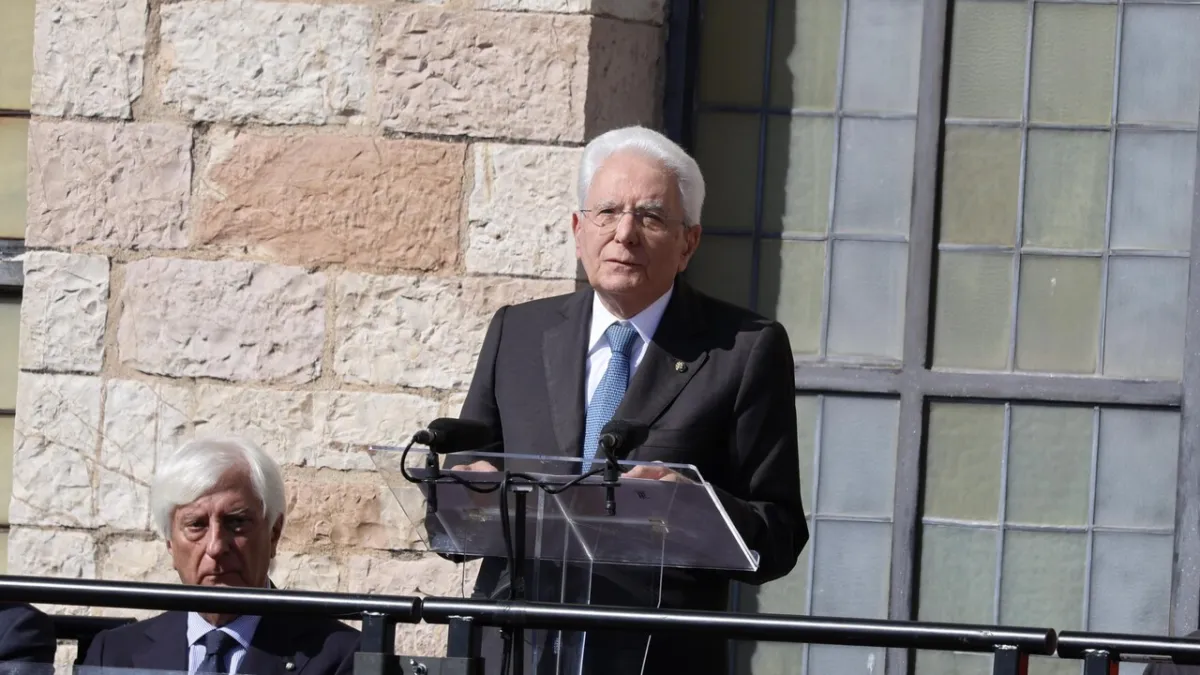
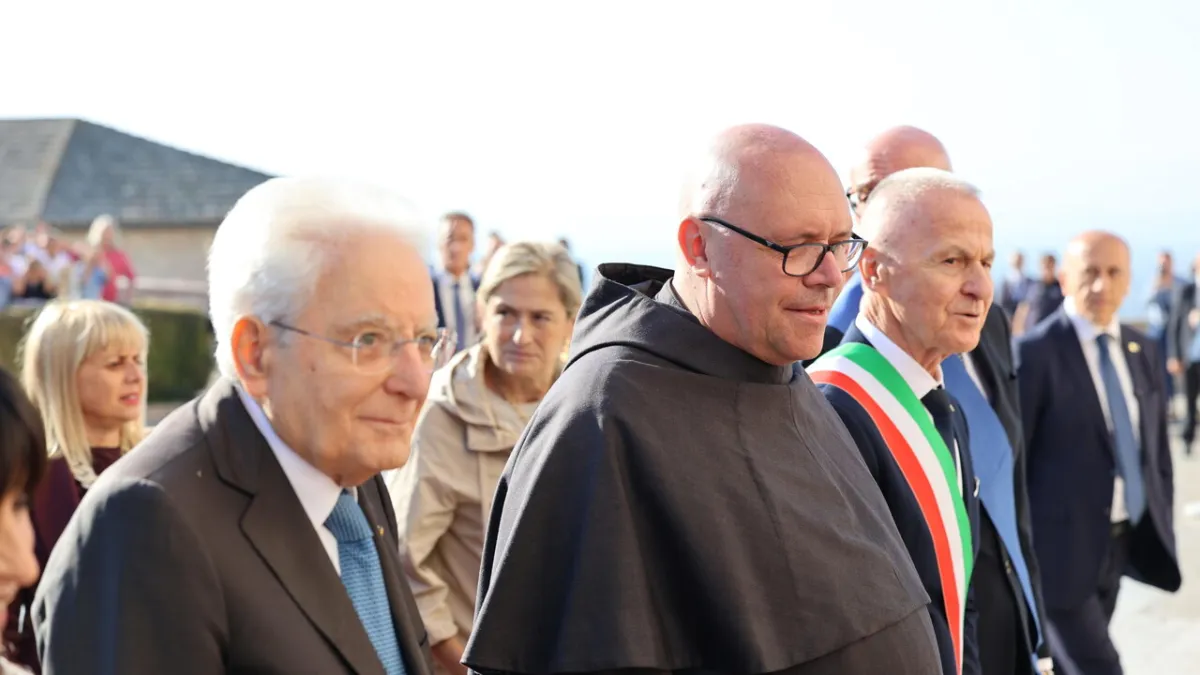
ASSISI – Italian President Sergio Mattarella urged a profound reflection on the teachings of Saint Francis of Assisi as a solid foundation for peace amidst the global turmoil of 2026. Mattarella delivered the statement during the Festa di San Francesco, Italy's national day, which also featured Cardinal Matteo Zuppi's assertion that peace will never be born from weapons. This commemoration underscores the relevance of spiritual values in confronting contemporary challenges.
Before thousands of attendees at the Basilica Superiore di San Francesco, President Mattarella emphasized that the spirit of humility, dialogue, and universal fraternity taught by Saint Francis constitutes an eternal lesson. From Saint Francis, we find crucial lessons for today, Mattarella stated, highlighting the urgency of applying these principles in diplomacy and international interactions.
Cardinal Zuppi, Archbishop of Bologna, in his homily, reinforced Mattarella's message by pointing out the illusion that military might can create long-term stability. True peace is not a product of armed force, but rather the fruit of justice, compassion, and mutual understanding, Cardinal Zuppi affirmed, advocating for a more humane approach to conflict.
The Festa di San Francesco celebration, annually observed on October 4, holds dual significance as both a national holiday and the patron saint's day of Italy. This event provides an opportunity for national and church leaders to reflect on the nation's identity and the fundamental values that bind society. President Mattarella's presence signifies strong state support for this spiritual heritage.
Since the Italian government reinstated October 4 as a National Day, the event in Assisi has become a major highlight. This year, Assisi's preparations were thorough to welcome President Mattarella and the delegation. In his speech, the President praised all parties working to preserve and maintain the spirit of Assisi as a beacon of peace and brotherhood.
Saint Francis of Assisi, a revered figure who lived in the 12th century, is known as the patron saint of ecology, animals, and a bearer of universal peace. His teachings on simplicity, love for fellow beings, and harmony with the universe continue to inspire billions worldwide, transcending religious and national boundaries.
Mattarella and Zuppi's messages resonate with the global conditions of 2026, which are still marked by various conflicts and tensions. From Eastern Europe to the Middle East, from Africa to Asia, geopolitical issues demand solutions that are not only power-oriented but also rooted in understanding underlying problems and building bridges of dialogue.
The role of religious figures and political leaders is crucial in instilling values of peace. The synergy between spirituality and public policy, as demonstrated in Assisi, offers hope that diplomatic and humanitarian avenues can overcome the often-unbreakable cycle of violence.
It is hoped that this call from Assisi will echo in international forums, encouraging world leaders to more seriously consider the ethical and moral dimensions in every decision. As emphasized, peaceful solutions require sincere commitment from all parties, not just strategic negotiations devoid of a humanitarian foundation.
The legacy of Saint Francis, with its emphasis on interfaith dialogue and care for creation, provides a blueprint for societies seeking to break free from the cycle of conflict. In 2026, these teachings remain a moral compass for those striving for a more just and harmonious world.
Editorial Insight: President Mattarella's and Cardinal Zuppi's statements in Assisi underscore that amidst geopolitical complexities, the aspiration for peace founded on humanitarian and spiritual values remains a vital bedrock. The challenge lies in translating these moral calls into effective, concrete policies that genuinely resolve conflicts, rather than remaining mere rhetoric. Given the escalation of global tensions, this message from Assisi serves as an important reminder of an alternative path toward sustainable stability.