 Chandra Wijayanto
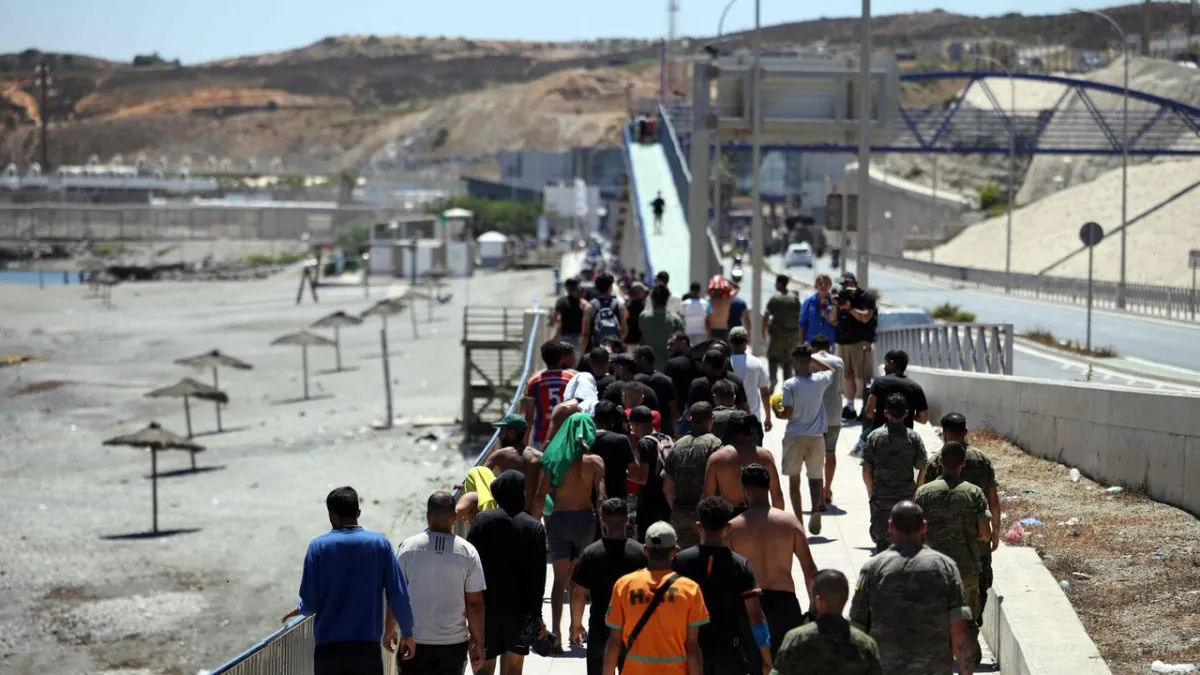
Mallorca, Spain — A humanitarian tragedy has once again struck the Western Mediterranean waters as 17 migrants were found dead adrift off the coast of Mallorca, Balearic Islands. This heartbreaking incident came to light after two survivors were rescued from a boat that had been drifting for 15 days, prompting an emergency videocall by European Union (EU) Interior Ministers to discuss the escalating border crisis, particularly concerning Ceuta.
The migrants, whose identities and nationalities are still under investigation, are strongly believed to have been attempting to reach European soil in search of asylum or a better life. The perilous journey across the sea bears silent witness to their struggle against hunger, dehydration, and extreme weather conditions in the vast ocean.
The Spanish coast guard received reports of a drifting migrant boat and promptly launched an intensive search operation. Two individuals found in critical condition were successfully evacuated and received emergency medical treatment, but they could not save the lives of their fellow travelers who had succumbed to their fate. Their testimonies are expected to reveal further details about this humanitarian tragedy.
Coinciding with this grim discovery, in Brussels, EU Interior Ministers commenced a crucial videocall. Their primary agenda was to discuss the situation in Ceuta, a Spanish enclave in North Africa that often serves as a key gateway for migrants entering Europe. The Mallorca tragedy serves as a bitter reminder of the widespread impact of the migration crisis across Europe's southern borders, underscoring the urgency of collective solutions.
The global migration crisis continues to burden EU member states, especially those bordering the Mediterranean. Driving factors include conflicts in their home countries, extreme poverty, and the hope for economic stability and security in Europe. The deadly sea route often becomes the only option for those in despair, driven by desperation.
The Spanish government has repeatedly called for greater solidarity and support from the EU to manage the wave of migration. Spanish Prime Minister, Pedro Sánchez, in early 2026, emphasized the need for a comprehensive approach that includes strengthening border security, cooperation with countries of origin, and the development of legal and safe migration pathways as alternatives.
Although the videocall's focus is Ceuta, the route to the Balearic Islands is also becoming increasingly active. Data indicates a significant increase in illegal crossing attempts into this Spanish territory in recent years, placing it on par with the pressures experienced by Ceuta and Melilla as vital entry points.
“Every death at sea is a collective failure,” said an unnamed European Commission spokesperson, commenting on the situation. “We must strengthen coordination and seek humane, long-term solutions, not merely react to every tragedy that occurs.”
Debates surrounding EU migration policy have been fierce for years. Some member states call for stricter border controls, while others advocate for a more human rights-centric approach and fair burden-sharing. Consensus remains elusive amidst differing national interests and diverse priorities.
Non-governmental organizations and humanitarian agencies play a vital role in rescue missions and providing aid to migrants. They often criticize the slow government response and the lack of adequate legal pathways, which pushes individuals into unnecessary danger.
The phenomenon of migration is not only confined to those desperately crossing oceans. In other parts of Europe, as reported by Istat, Southern Italy faces a severe “brain drain”, where thousands of highly educated scholars leave their country for better opportunities, illustrating the complex spectrum of global human movement driven by various motives.
Repeated tragedies in the Mediterranean are not just statistics; each incident represents lost lives and grieving families. It also raises serious questions about the effectiveness of current migration policies and the urgency to implement more sustainable and humane strategies.
The outcome of the EU Interior Ministers' videocall is expected to yield concrete measures to prevent the recurrence of similar incidents. Solidarity among member states and a commitment to humanitarian values are key in addressing one of Europe's and the world's most pressing challenges in this year 2026, for a better future for all.