 Demian Sahputra
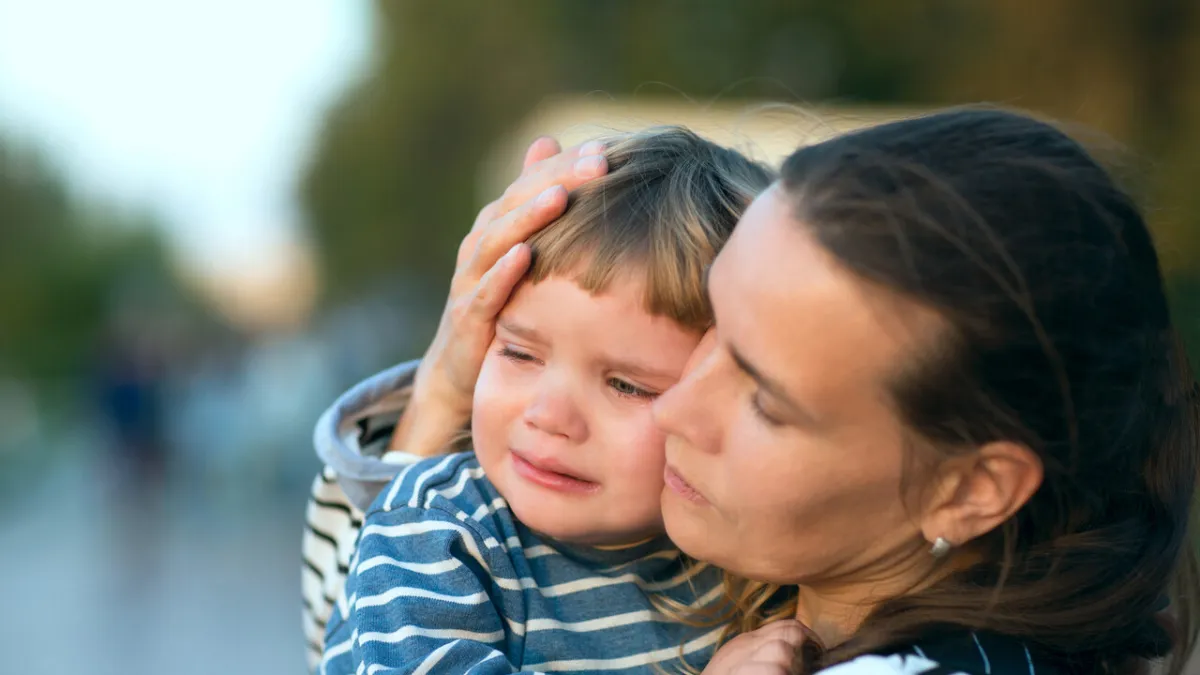
ROME – Recent studies in 2026 are challenging public perception regarding emotional expression. Experts now assert that crying is an essential manifestation of emotional strength, not merely an indicator of weakness. This paradigm shifts from outdated prejudices that often label sensitive individuals as 'crybabies'.
For years, society has tended to associate tears with sadness, frustration, or even manipulation. Unfortunately, these stereotypes often hinder individuals from expressing themselves naturally, creating counterproductive social pressure against mental health.
Multidisciplinary research involving psychologists, neurologists, and sociologists reveals the complexity behind the phenomenon of crying. They found that the physiological and psychological processes occurring when a person cries serve crucial adaptive functions for human well-being.
Tears, especially emotional tears, contain stress hormones like cortisol and prolactin which are released from the body. This release acts as catharsis, helping to reduce stress and tension levels, providing a calming effect on the nervous system.
Furthermore, crying also serves as a powerful social signal. When someone cries in front of others, it often triggers empathy and support, strengthening inter-individual bonds. A cry can be a non-verbal communication bridge that conveys a need for attention or help.
The ability to cry and process emotions healthily is now recognized as an integral part of emotional intelligence. Individuals who are able to accept and express sorrow or suffering through tears tend to have better self-understanding and higher resilience in facing life's challenges.
Therefore, the label 'crybaby' often attached to those who cry easily should be re-evaluated. This label is not only scientifically inaccurate but also detrimental as it justifies the suppression of healthy emotions, which are in fact essential for psychological balance.
Amidst increasing global attention on mental health issues in 2026, this new understanding of the value of crying becomes highly relevant. Health and educational institutions are beginning to integrate this perspective into outreach programs to encourage full acceptance of the human emotional spectrum, including pain and vulnerability.
This shift in perception is expected to encourage society to create an environment that is more supportive of authentic emotional expression. Consequently, individuals will feel freer to show their vulnerabilities without fear of judgment, fostering deeper and more honest relationships.
Ultimately, every tear has value. It is a complex manifestation of biology, psychology, and sociology working together to maintain emotional balance and enrich human connection, affirming that true strength also lies in the ability to feel and express.
Editorial Insight: This paradigm shift regarding crying reflects a broader societal maturation in mental health awareness. As the world navigates complexities in 2026, fostering environments where emotions are validated, not suppressed, becomes crucial. Redefining vulnerability as strength through acts like crying can lead to more resilient communities and healthier individuals, challenging traditional notions of stoicism.