 Chandra Wijayanto
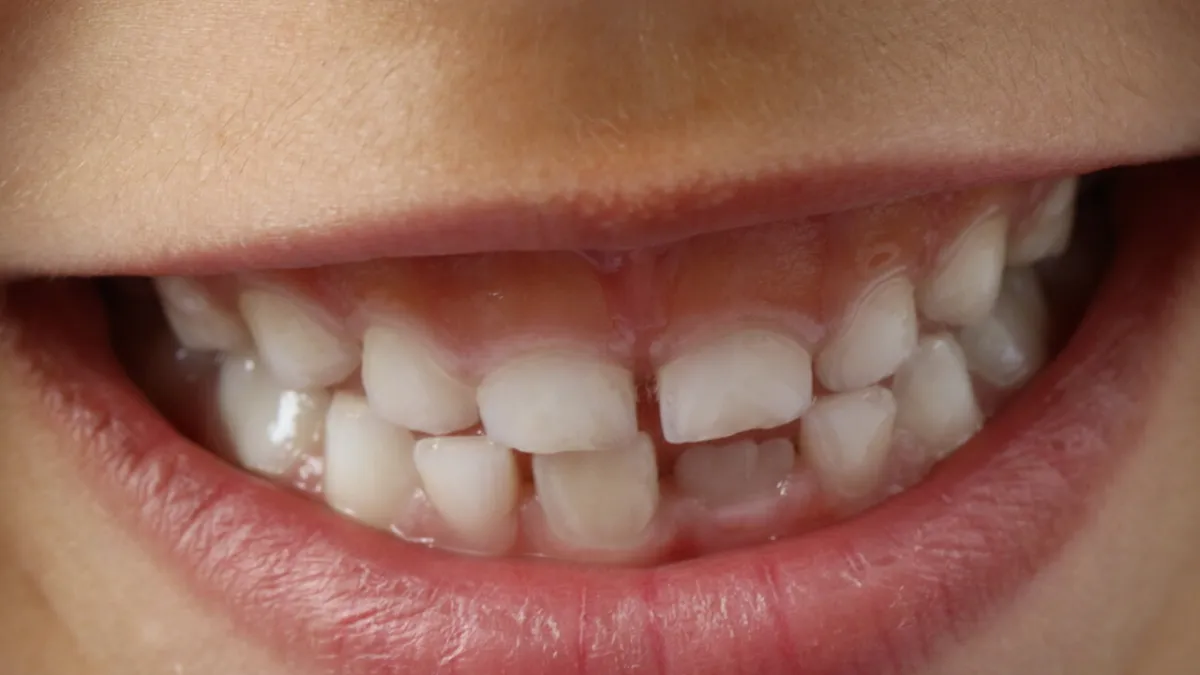
GLOBAL – Breakthrough research in 2026 reveals that rare genetic variants play a crucial role in shaping the aesthetic appeal of an individual's smile, through complex regulation of tooth number, shape, and development timing. This discovery, published by an international consortium of researchers, unveils a new understanding of the genetic interactions that influence human facial appearance and holds the potential to revolutionize orthodontics and dentistry.
For years, environmental factors such as nutrition, hygiene, and trauma were considered the primary determinants of dental morphology and smile arrangement. However, this latest study shifts that paradigm, highlighting a much deeper genetic dimension. Scientists now understand that genetic inheritance holds fundamental control over the basic architecture of teeth from the embryonic stage.
The identified gene variants specifically regulate several critical parameters. These include not only the total number of teeth that grow but also the precise shape of each tooth crown and, equally important, when these teeth erupt or emerge into the oral cavity. These three interconnected elements ultimately determine the harmony and unique character of a smile.
The research team utilized advanced genomic sequencing techniques to analyze genetic data from thousands of individuals across various continents. They uncovered a series of genetic variants that, while rare, showed a strong correlation with significant differences in tooth structure. The presence of these rare variants explains the immense diversity in dental features observed in the global population.
Professor Elara Vance, head of the research team at the University of Athens, stated, 'We have always viewed the smile as a result of individual evolution and care, but now we have concrete evidence that the primary blueprint lies within our DNA. This discovery is a monumental leap in understanding why some individuals naturally possess perfect teeth, while others face orthodontic challenges.'
The implications of this discovery are profoundly significant in the realm of dentistry and orthodontics. With a deeper understanding of these causal genes, professionals can develop earlier diagnostic approaches and more personalized therapies. For instance, orthodontic interventions could be tailored based on a patient's genetic profile, maximizing effectiveness and minimizing treatment duration.
This research also paves the way for the development of new preventive methods for congenital dental problems or developmental anomalies. Early identification of causative genes allows for future pharmacological or genetic interventions, potentially preventing serious issues before they fully manifest. This will transform dental healthcare from reactive to proactive.
Dr. Aditya Pramana, a dental genetics expert from the Eijkman Institute for Biomolecular Research, emphasized the study's importance for Indonesia's diverse population. 'Such genetic studies are vital for multi-ethnic countries like Indonesia. By understanding specific genetic variants common in our population, we can design more targeted and inclusive dental health programs,' explained Dr. Pramana.
Beyond clinical aspects, this discovery also enforces our understanding of human evolution and how genes have adapted to form distinct facial features across individuals and ethnic groups. The smile, one of the most important social expressions, turns out to have a far more complex biological foundation than previously thought.
The next steps in this research involve identifying more related genes and mapping the complex molecular pathways. Scientists hope to uncover how these genes interact with each other and with environmental factors to produce the full spectrum of dental variations we see in the real world. This represents a long journey towards holistic understanding.
These findings are expected to spark a wave of innovation in global dental genetic research. Collaboration between research institutions and clinicians is key to translating this fundamental knowledge into practical applications that benefit millions seeking healthy and aesthetic smiles.
Editorial Insight: The discovery that rare genes fundamentally shape smile aesthetics is a breakthrough redefining our understanding of dental beauty and health. It underscores a shift in focus from reactive treatment to predictive prevention, potentially ushering in a new era of personalized orthodontics. Its impact will be felt not only in clinics but also in how we value individual genetic uniqueness and formulate future beauty standards.