 Debby Wijaya
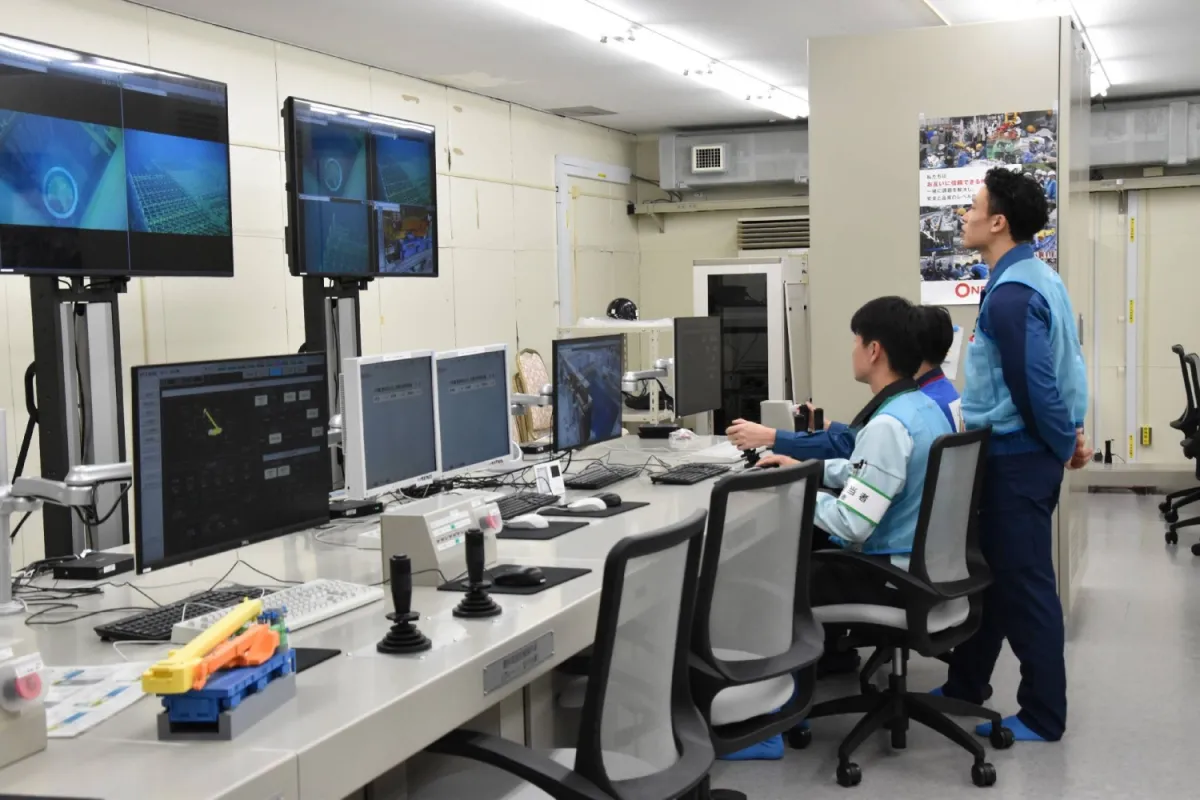
TOKYO – Workers at the Fukushima Daiichi Nuclear Power Plant (NPP) complex in Japan report that the removal of spent nuclear fuel from Reactor Unit 2 is proceeding as planned in early 2026. Nevertheless, recent reports indicate that radiation levels around the spent fuel storage pool remain at alarming levels, highlighting the long-term challenges of decommissioning efforts following the devastating 2011 disaster.
This crucial operation is a vital stage in the long-term plan to fully decommission the plant, which was crippled by the earthquake and tsunami in March 2011. Reactor Unit 2, which suffered relatively less significant structural damage to its building compared to other units, is a primary focus due to the condition of its spent fuel pool.
Engineers and technicians are working under extremely strict safety protocols to ensure every step of the removal is precise. This is not merely a technical task but also a gamble on Japan's reputation on the world stage regarding the handling of the largest nuclear crisis of this century.
Despite the progress made, the greatest challenge lies in minimizing radiation exposure. Areas around the fuel storage pool, although enclosed, still emit high levels of radiation, complicating direct access and necessitating robotic technology and complex remote procedures.
The Japanese government, through Tokyo Electric Power Company (TEPCO), continues to assure both domestic and international publics about the transparency and safety of this operation. They are fully committed to environmental safety and the health of nearby communities.
Fukushima Daiichi's decommissioning is estimated to take decades, with colossal costs projected. Every stage, including fuel removal, is closely monitored by global atomic energy regulators.
The Fukushima crisis in 2011 triggered global concerns about nuclear energy safety and prompted many countries to re-evaluate their energy policies. Progress at Unit 2 offers a glimmer of hope but serves as a reminder of the inherent complexities and risks associated with nuclear technology.
This situation adds to the long list of energy and global security issues under the world's spotlight in 2026. Various international forums, such as the ASEAN Summit, often include discussions on energy security and nuclear disaster mitigation in their agendas.
The success of this fuel removal operation will not only accelerate the decommissioning process but also potentially serve as a blueprint for handling similar nuclear incidents in the future, although everyone hopes such events will not recur.
Editorial Insight:
The process of removing spent nuclear fuel at Fukushima Unit 2 marks significant progress, yet the long struggle to fully decommission the entire complex is far from over. The high radiation levels in certain areas serve as a stark reminder of the latent dangers and long-term consequences of nuclear accidents. The success of this project will be a crucial case study for the global nuclear energy industry, highlighting the importance of technological innovation and unparalleled safety standards in facing future energy challenges. A focus on long-term solutions and transparency remains crucial for maintaining public trust.