 Stefani Rindus
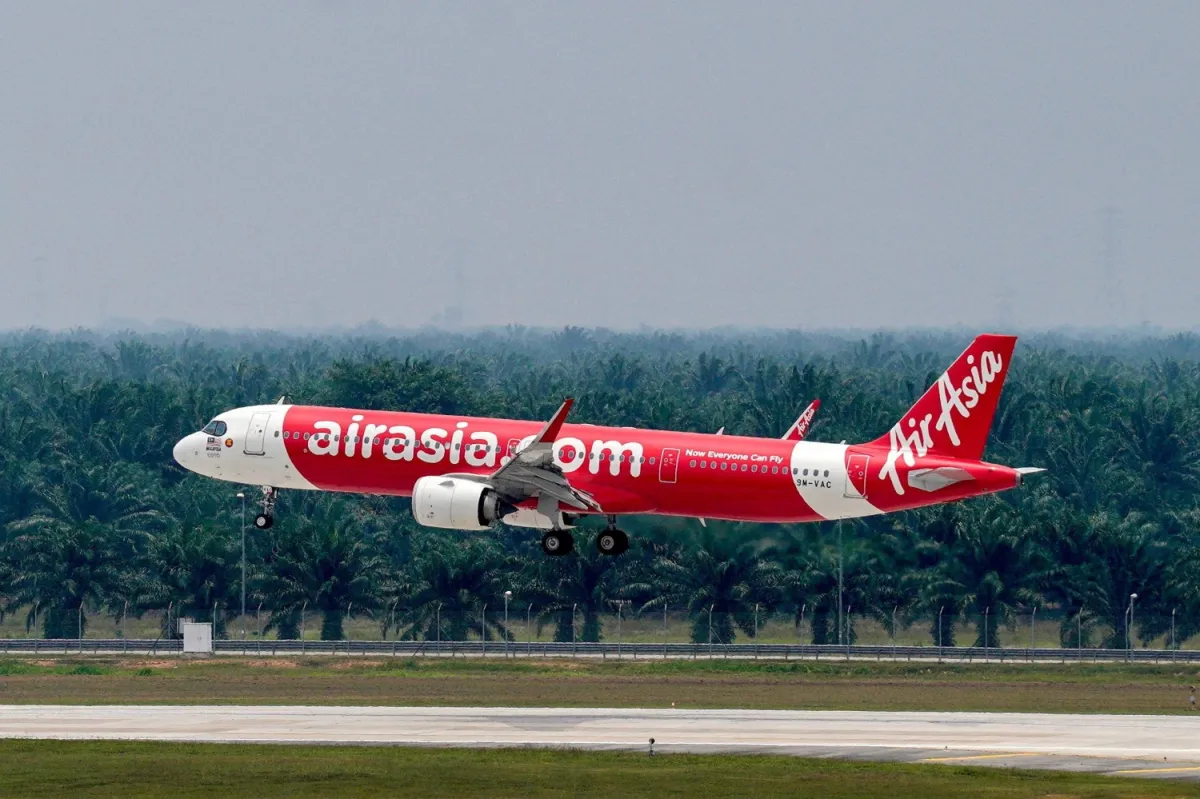
KUALA LUMPUR – Malaysia's Finance Ministry is meticulously reviewing various options to provide financial aid to AirAsia, Southeast Asia's largest low-cost carrier, as it grapples with soaring jet fuel prices and currency fluctuations in 2026. A former finance minister has even voiced concerns about the potential risks to public funds in any rescue package.
The airline, operating at the heart of Southeast Asia, is struggling amidst an uncertain global economic landscape. Its reliance on jet fuel prices, which continue to surge, represents a significant operational burden. Concurrently, currency exchange rate volatility adds complexity to the challenges faced by AirAsia's management.
Internal sources close to the discussions indicate that the government faces a major dilemma. On one hand, there is an urgency to save a strategic national economic asset that employs thousands of people. On the other hand, fiscal accountability and moral hazard concerns are a primary focus.
This situation has sparked intense debate among policymakers and economists. How can the government provide assistance without setting a bad precedent or burdening taxpayers with disproportionate risks? These are key questions that must be answered in the upcoming decision.
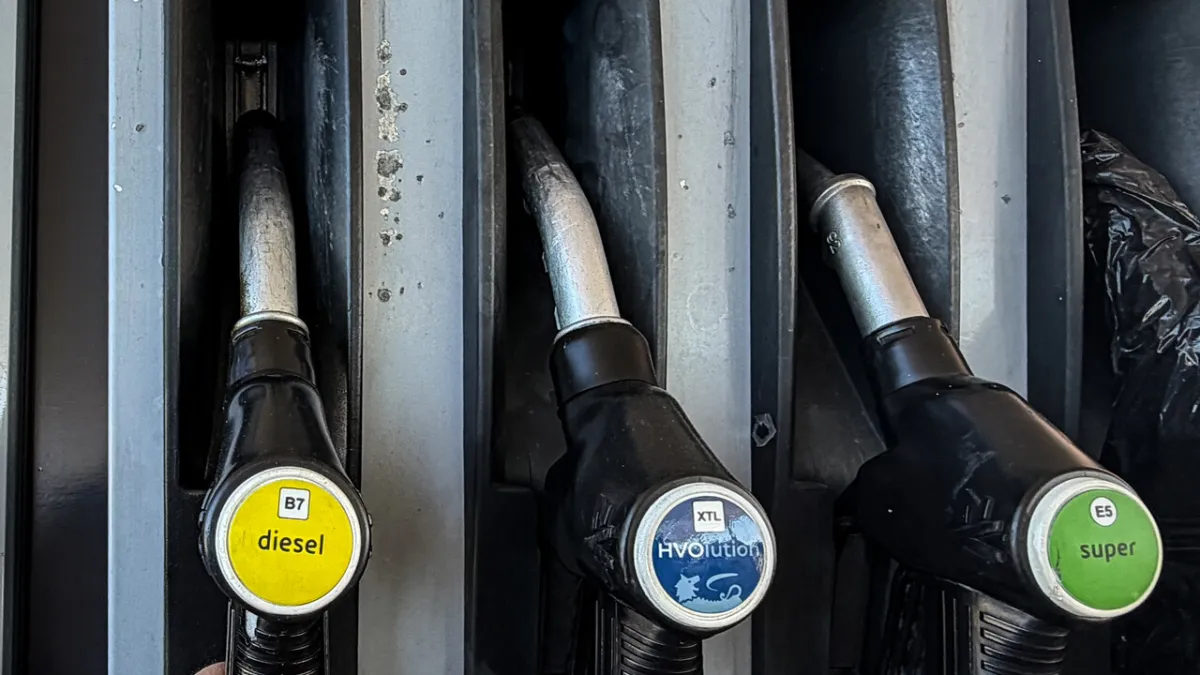
Global crude oil prices, which dictate jet fuel costs, have indeed shown a consistent upward trend throughout 2026. Geopolitical turmoil and supply-demand dynamics have pushed this vital commodity to levels that are challenging for the aviation industry. This issue also aligns with reports on energy market trends, such as discussed in the article Oil Prices Plummet, Trump's Iran Blockade Rocks Global Market, indicating ongoing oil market volatility.
Furthermore, the weakening of regional currencies against the US Dollar exacerbates AirAsia's condition. A significant portion of operational costs, including aircraft leases and spare parts, often must be paid in foreign currency, meaning expenses inflate considerably when exchange rates are unfavorable.
The unnamed former finance minister emphasized that any aid measure must undergo very careful scrutiny to ensure AirAsia's financial sustainability while safeguarding the nation's fiscal interests. He underscored the importance of transparency and accountability in the use of state funds.
Despite facing pressure, AirAsia remains a key player in regional connectivity and tourism. The failure of this airline would have a domino effect on related sectors, from airports and hotels to travel agencies, all of which contribute to national revenue.
Therefore, the options under review reportedly include various forms, ranging from soft loans, direct capital injections, to government guarantees. Each option carries different legal, economic, and political implications, requiring thorough analysis before a final decision is made.
The aviation industry, particularly the low-cost segment, has always been vulnerable to external shocks. The global pandemic a few years ago provided a harsh lesson on the fragility of this business model without adequate support during a crisis. The Malaysian government is now at a crossroads, determining the fate of one of Southeast Asia's low-cost flight pioneers.
Editorial Insight:
The situation at AirAsia reflects the structural challenges many airlines face post-pandemic, exacerbated by global energy and financial dynamics in 2026. The Malaysian government's decision will serve as an important benchmark for how countries in the region balance strategic economic support and public fund protection. The potential domino effect on the economy and regional investor confidence will largely depend on the transparency and effectiveness of the chosen solution.