 Dodi Irawan
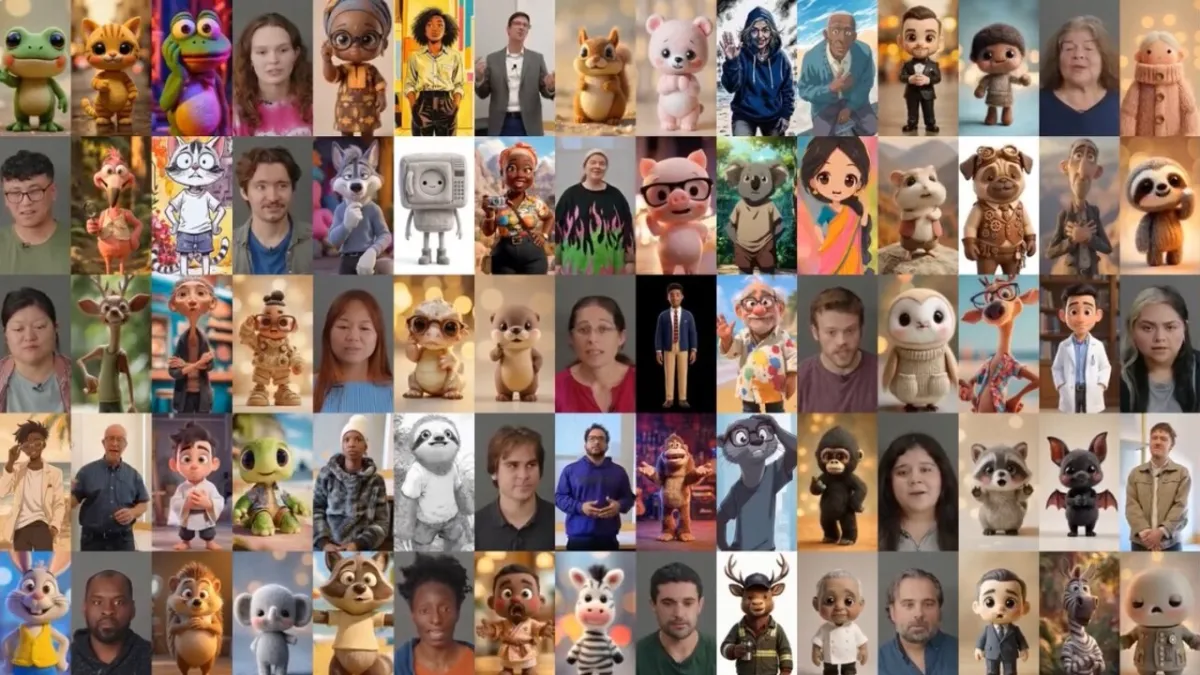
UNITED STATES – Meta Platforms, the technology giant led by Mark Zuckerberg, recently launched an innovative feature in the United States: video calls with an artificial intelligence (AI) avatar named Muse. This initiative marks a significant evolution in digital communication, enabling more immersive and personalized interactions for users. The launch is projected to be followed by the introduction of a supporting hardware device, an interactive pendant, by the end of 2026, expanding the dimensions of human-AI interaction.
Muse is not just an ordinary chatbot. This AI avatar is designed to display various appearances and dynamic responses, giving the impression of a more lively and natural conversation. Muse's adaptive ability to respond to users is a key attraction, promising an experience that transcends the boundaries of conventional text and voice communication.
This development highlights Meta's commitment to its metaverse vision, where digital interactions feel increasingly real. With Muse, the company aims to bridge the gap between the physical and virtual worlds, creating a richer and deeper communication ecosystem.
The United States was chosen as the primary market for this launch, underscoring its position as a hub for technological innovation and a strategic early adopter user base. Market response to Muse will be a crucial indicator for the global expansion of this feature in the future.
Technology industry observers have welcomed Meta's move. They see Muse as a breakthrough capable of changing the landscape of social media and communication applications. The concept of responsive, interactive avatars has the potential to open new opportunities in entertainment, education, and even customer service.
The integration of AI technology in video calls also raises ethical and privacy discussions. Meta is expected to have carefully considered these aspects, ensuring that Muse is used responsibly and transparently to protect user data and privacy.
The Muse feature allows users to select and customize their avatar's appearance, adding a strong touch of personalization. It is not just about communicating, but also about expressing oneself through a unique digital representation.
With rapid advancements in machine learning and computer graphics, AI avatars like Muse are increasingly capable of mimicking human expressions and emotional nuances. This increases the potential for Muse's use in various scenarios, from professional virtual meetings to casual social interactions.
The announcement regarding the interactive pendant to be launched later this year adds another layer of expectation. This companion device will likely enable interaction with Muse without being tied to a screen, bringing a more pervasive form of AI connectivity.
Meta previously introduced Spaces, an AI collaboration platform also involving Muse agents, demonstrating the company's comprehensive strategy in integrating artificial intelligence across its product lines.
Editorial Insight: Meta's launch of Muse is not just an added feature; it is a strategic statement about the future of communication. By integrating interactive AI avatars into video calls, Meta is building a bridge towards a more immersive and personal metaverse experience. Its disruptive potential is immense, not only in how we interact but also in the entertainment and even education industries. However, privacy and ethical challenges of AI use will be crucial in determining public acceptance and the long-term success of this innovation.