 Debby Wijaya

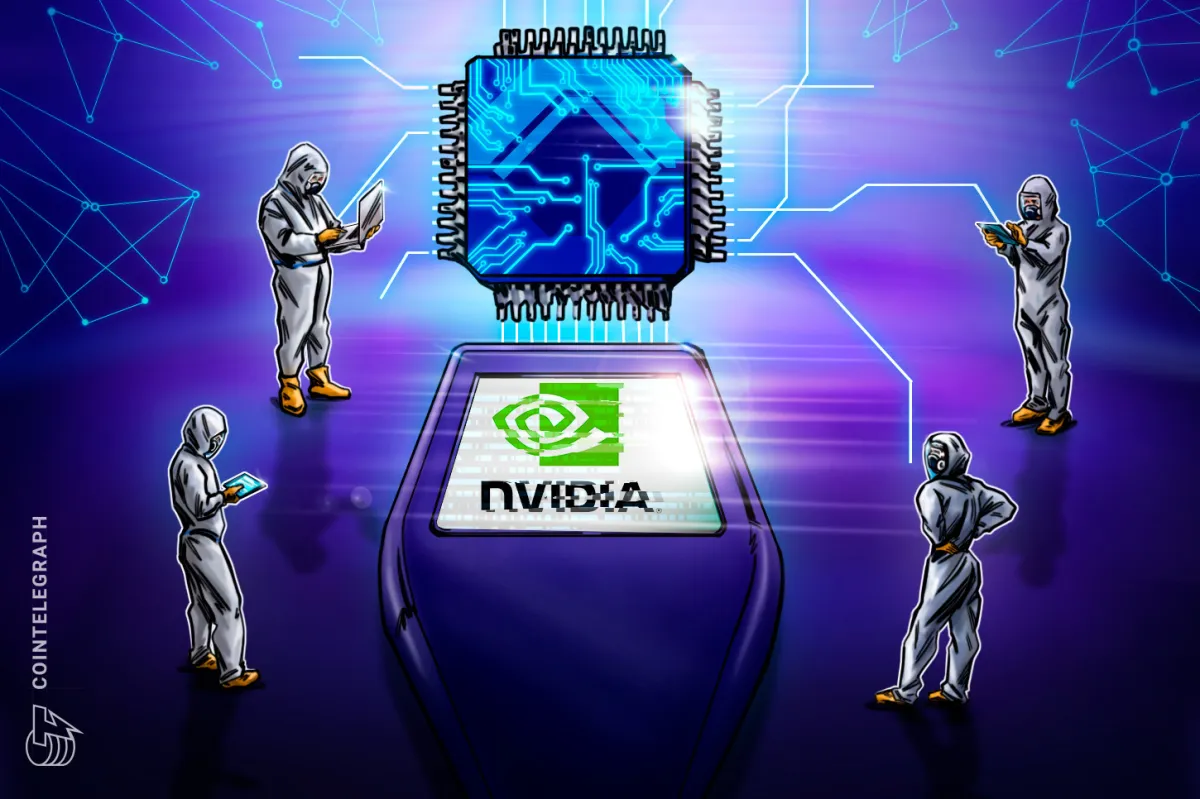
SANTA CLARA – Nvidia, the semiconductor giant dominating the artificial intelligence chip market, recently clarified its funding policy for new generation cloud data centers, known as 'neoclouds'. This policy, explained by interim CEO Colette Kress, defines Nvidia's financial liability in data center loans, marking a strategic move for the company in 2026.
Kress stated that Nvidia will not be on the hook for data center loans unless the neocloud secures independent financing and gets the facility built, with all Nvidia gear installed. This clarification aims to protect Nvidia from excessive financial risk amidst the rapid expansion of global cloud computing infrastructure.
'If Nvidia is backstopping a data center loan, we won't be on the hook unless the neocloud has independent financing and gets the facility built, with Nvidia gear installed,' Colette Kress explained, outlining the key condition of this new policy.
This move is crucial amid a surge in demand for computing capacity for generative AI and large language models. Neoclouds represent a wave of innovation in cloud infrastructure, requiring massive capital investment to build and operate.
For neocloud developers, this policy means they must demonstrate a stronger financial foundation and operational independence before fully relying on Nvidia's backing. This fosters a more resilient and responsible ecosystem.
Market analysts view this clarification as a prudent risk management step. In recent years, Nvidia has poured trillions of rupiah into solidifying its position at the forefront of the AI and cloud computing industry, including a record-breaking investment as reported in the article Nvidia Pecahkan Rekor Investasi Rp975 Triliun.
This policy also highlights Nvidia's shifting focus to ensure its resources are allocated efficiently. The company aims to be a core technology provider, not a primary financier for every ambitious data center project.
The implications of these funding limits may slow the growth of some smaller neocloud projects, but at the same time, will encourage consolidation and more mature business models in the sector.
In a competitive global market, where the race to build AI infrastructure is intensifying, Nvidia's clarification sends an important signal. It indicates that while demand for their hardware is skyrocketing, the company prioritizes financial stability and long-term risk mitigation.
Colette Kress, as interim leader, plays a critical role in navigating Nvidia's financial strategy in the post-Jensen Huang era, which had previously raised questions about the company's strategic direction, as touched upon in Nvidia Tolak Kembali Jensen Huang Sebagai CEO Pasca-Resignasi.
Through this policy, Nvidia is not only safeguarding its balance sheet but also indirectly shaping the future landscape of cloud computing, promoting more structured and sustainable innovation.
This decision may also impact how partners and ecosystem developers interact with Nvidia. They must now be more proactive in seeking financial support from other sources, ensuring their projects remain solid and economically viable.
This transition aligns with an increasing demand for strict financial accountability in the technology industry, especially amid market volatility and the massive capital required for AI research and development.
Nvidia hopes that by limiting its risk exposure, it can continue to invest in the chip and software innovations that are its core strength, rather than being burdened by uncertain data center loan obligations.
Overall, this neocloud funding clarification is a mature strategic move by Nvidia, securing its financial position while remaining a key driver of the global AI revolution in 2026.
Editorial Insight: Nvidia's decision to limit its neocloud funding risk reflects the company's maturity in managing its explosive growth. This step is not just about financial protection, but also a signal to the entire cloud computing ecosystem to build more independent and sustainable business models. Amidst the AI infrastructure race, Nvidia chooses to focus on its core strength as a technology provider, which will ultimately strengthen its long-term market position.