 Debby Wijaya
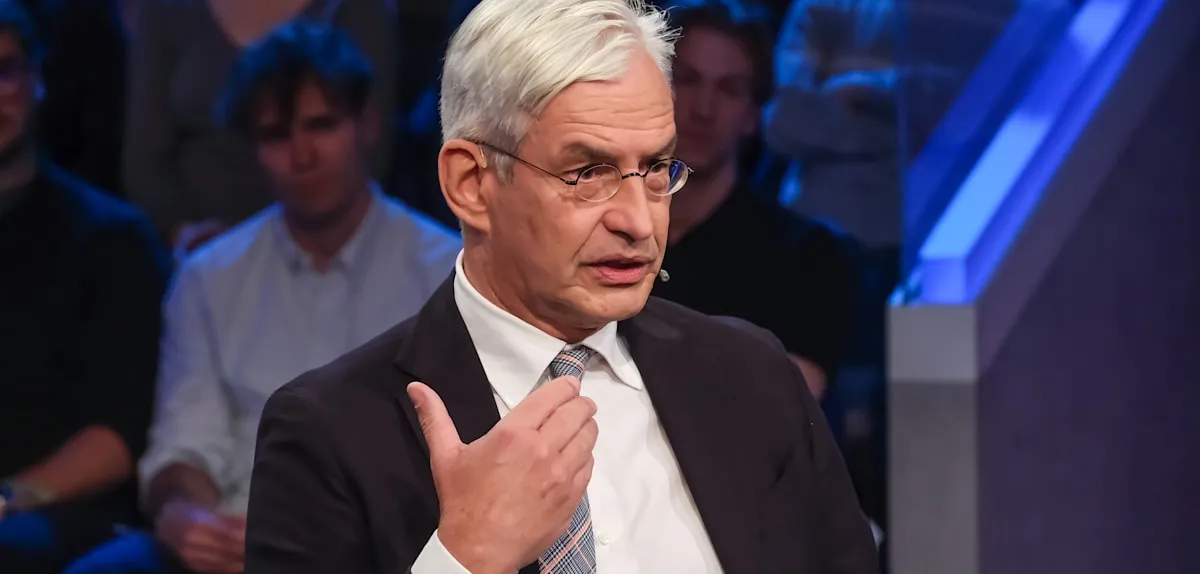
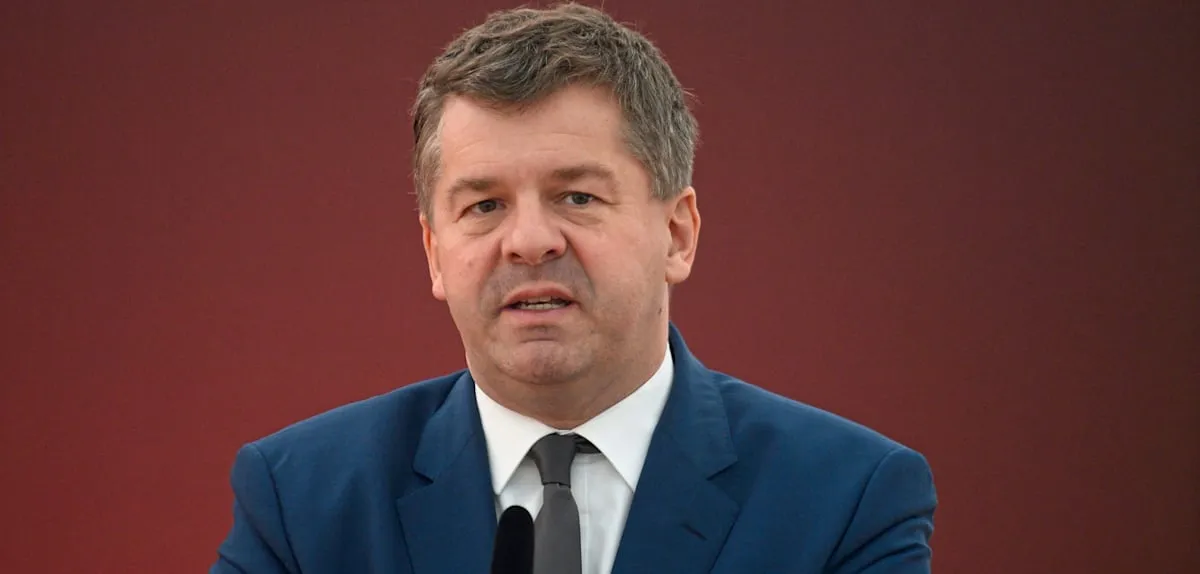
BERLIN – Political tensions in Germany have escalated after Mathias Middelberg, a senior politician from the Christian Democratic Union (CDU) party, launched a sharp critique against the Social Democratic Party (SPD). This incident occurred during the popular debate program Maischberger, following the resignation of Baerbel Bas from her position, which triggered turmoil in the governing coalition dynamics. Middelberg explicitly stated that the limit of tolerance has been crossed, highlighting the growing internal discord.
The televised debate brought Middelberg face-to-face with Franziska Brantner, a representative from the Green Party. Both engaged in a fierce exchange of arguments concerning the current coalition's operations, the potential for cooperation with The Left Party (Die Linke) in Berlin, and the CDU's stance towards the Alternative for Germany (AfD) party. Middelberg's statements underscored the apprehension within the main opposition regarding the SPD's political maneuvers.
Middelberg pointed to a series of incidents that he believes demonstrate a lack of consensus and clear direction from the SPD. When we observe how decisions are made, or rather, not made, it is no longer about healthy disagreement. This represents a fundamental breach of political order, he asserted. Bas's resignation appears to be the catalyst for this rhetorical escalation. Previous analyses concerning Bas's setback have also emerged in the media, indicating that this rift has been simmering for a long time.
Brantner of the Green Party sought to defend the coalition's position, albeit acknowledging the existing challenges. She emphasized the importance of constructive dialogue and finding common ground. However, Middelberg countered by suggesting that dialogue has long been replaced by uncertainty and inconsistent decisions, particularly concerning economic and social policies directly impacting the German public.
The controversy surrounding cooperation with Die Linke in Berlin became a sharp focal point. The CDU, traditionally opposed to alliances with parties on the far-left spectrum, views this potential collaboration as a threat to political stability and conservative principles. Middelberg warned that such a step could erode voter trust and drastically alter the city's political landscape.
Furthermore, the CDU's position on the AfD was an equally heated topic. Middelberg affirmed that the CDU would never compromise with the extremist ideology of the AfD. However, critics argue that harsh rhetoric against the SPD could indirectly strengthen the AfD's populist narrative, especially amidst public dissatisfaction with the coalition's performance.
These disagreements are not merely personal disputes but a reflection of deeper fractures within German politics. Instability within the coalition, evident in various issues ranging from the budget to energy policy, has created a climate of uncertainty. Although the coalition had previously reached agreements on several important reforms, internal debates continue to plague it.
Baerbel Bas's resignation, the full context of which was not deeply explored in this debate, clearly served as a catalyst for Middelberg to express his frustration. This event illustrates that internal party and coalition politics are often more complex than they appear on the surface, with significant implications for the direction of national policy.
Political analysts predict that public skirmishes of this nature will become more frequent as general elections approach. Each party strives to position itself, critique opponents, and highlight the weaknesses of the ruling coalition. This is a risky strategy that could either strengthen democracy or erode it.
Middelberg, with his extensive parliamentary experience, strategically utilized the Maischberger platform to deliver a strong message to CDU voters and simultaneously pressure the SPD. This attack suggests that the opposition now feels it has momentum to urge the coalition to be more transparent and effective in governing.
The dynamic between the CDU and SPD, two of Germany's largest political forces, will continue to be a barometer of the country's democratic health. How these two parties navigate the tensions, especially after Middelberg's sharp remarks, will largely determine Germany's stability and future development.
Editorial Insight:
Middelberg's harsh rhetoric against the SPD signals a new phase of political dissatisfaction in Germany. This is not merely a common dispute, but an indication that the foundation of trust within the coalition and among major parties is increasingly fragile. If party leaders fail to find stable consensus, the public will grow more skeptical, opening avenues for extremism and damaging Germany's image as a politically stable nation. This debate serves as an alarm that effective dialogue must be immediately restored to address the challenges facing Germany.