 Debby Wijaya
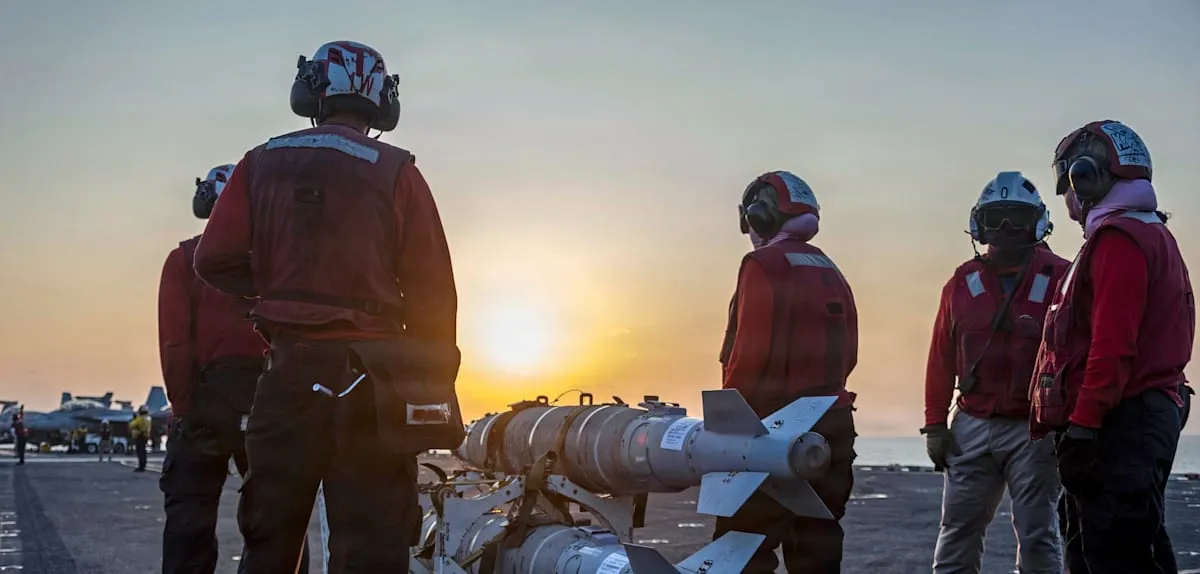
TEHRAN – The escalation of conflict in the Middle East has reached a critical juncture after the United States launched air strikes for the tenth consecutive night targeting sites in Iran, following Iran's retaliatory action against a US military base in Kuwait. Amidst this heating situation in mid-2026, several regional mediators, including Qatar, Egypt, and Pakistan, are intensively working to de-escalate tensions by proposing a ten-day ceasefire.
The continuous strikes by the US military mark an intensification of response to a series of incidents claimed to be Iranian aggression. This action reflects the increasingly fragile geopolitical dynamics in the Gulf region, sparking global concerns about the potential for a wider-scale conflict.
Shortly after the latest US attacks, the Iranian Armed Forces delivered a swift and measured response. A military base housing US personnel in Kuwait became a target, sending a clear message that Tehran will not remain silent against perceived provocations. This incident adds to the long list of tensions characterizing the relationship between the two superpowers.
Responding to the alarming spiral of violence, delegations from Qatar, Egypt, and Pakistan are playing a crucial role as intermediaries. They are coordinating closely to devise a diplomatic framework. This ten-day ceasefire proposal is hoped to provide space for dialogue and prevent further escalation.
This crisis is a continuation of the deteriorating tensions between Washington and Tehran, which have overshadowed regional stability for several years. Geopolitical analysts highlight the pattern of mutual attacks and threats that have become part of the narrative of the two countries' relations. This context recalls previous tensions recorded in Trump's Revenge: US Showers Iran with Fire, Middle East Conflict Heats Up, an article delving into similar US responses.
The regional mediators believe that a ten-day window without hostilities will be vital. This period is expected to allow both sides to catch their breath, re-evaluate their positions, and consider long-term solutions without the immediate pressure of military operations.
However, the success of this proposal hinges on the political will of both the US and Iran to accept and adhere to the agreement. History shows that mediation efforts in this region often face significant obstacles, especially when deep strategic interests are at stake.
The international community, including the United Nations, has called for immediate de-escalation and urged all parties to exercise restraint. Concerns about the humanitarian and economic impact of an open conflict in one of the world's most vital shipping lanes are a primary focus.
Security experts assess that the situation is extremely precarious. Any misstep could trigger a difficult-to-control chain reaction, drawing other regional actors into the vortex of conflict. This underscores the urgency of diplomatic solutions, similar to calls that emerged during The Gulf Heats Up: Houthi Blockade of Riyadh, US-Iran Ceasefire Crucial 2026, which highlighted the crucial nature of ceasefires in de-escalating regional tensions.
Nevertheless, the active mediation efforts from regional countries offer a glimmer of hope. This indicates that despite escalating military rhetoric, diplomatic channels remain open and are being seriously explored by key actors.
The world now anxiously awaits responses from Washington and Tehran to this ceasefire offer. Will diplomacy triumph over aggression, or will the Middle East continue to plunge deeper into an endless cycle of violence? The answer will largely determine the direction of regional and global stability in 2026.
These ceasefire efforts also reflect the vital role of multilateral diplomacy amidst geopolitical crises. The success or failure of this initiative will be a significant indicator for the future of conflict resolution in the modern era.