 Stefani Rindus
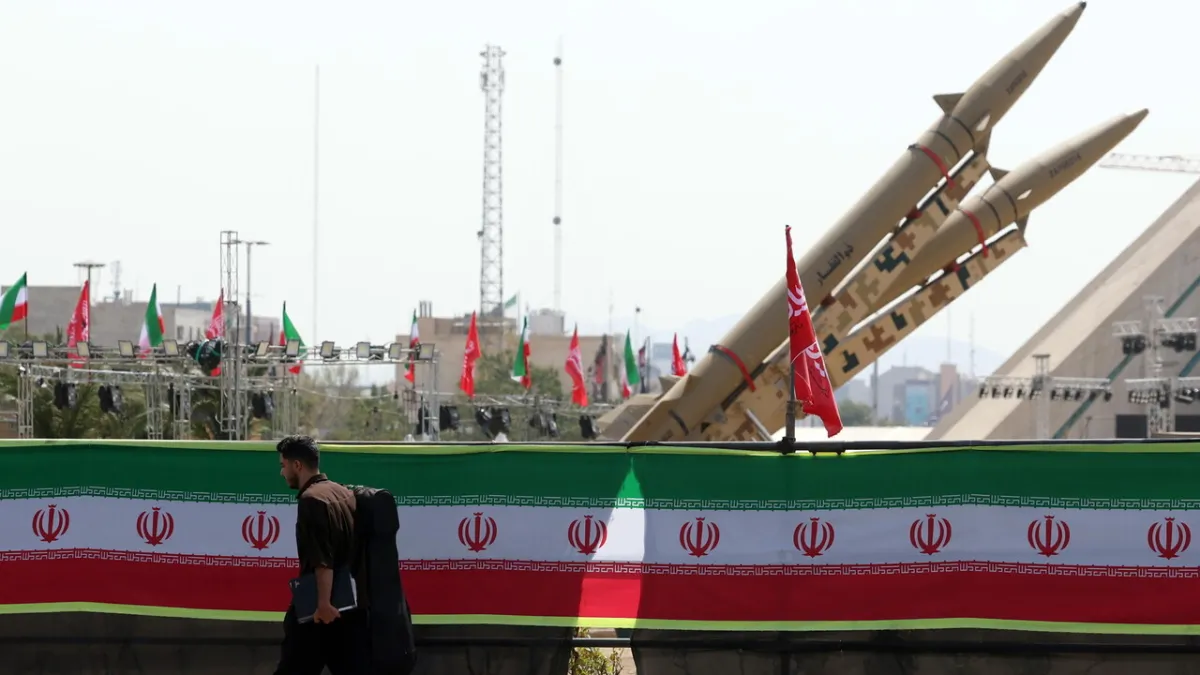
TEHRAN – Tensions in the Middle East surged again after Iran experienced its first night without US airstrikes in two weeks, a lull contrasted by a barrage of missiles launched by Houthi rebels from Yemen towards Saudi Arabia. The situation is further complicated by Tehran's strong condemnation of alleged US attacks on its rescue vessels, labeling them a war crime. This incident, reported yesterday, marks the volatile dynamics of the ongoing conflict in the region.
The pause in US attacks, highlighted by CNN and confirmed by the absence of new raid announcements from the United States Central Command (CENTCOM), provided a brief illusion of calm. However, behind this, the Islamic Republic of Iran's harsh rhetoric underscores old grievances and serious accusations against Washington.
Iran's Foreign Ministry asserted that any aggression against vessels engaged in humanitarian missions, as they claim their ships were, constitutes a grave violation of international law. "Targeting rescue ships amidst search and rescue operations is a barbaric act and an unforgivable war crime," stated a ministry spokesperson, without detailing the specific location or timing of the alleged incident.
Concurrently with the Iran-US tensions, another conflict front intensified. Ballistic missiles and drones launched by the Houthis from Yemen reportedly struck several military targets and vital infrastructure in Saudi Arabian territory. Riyadh has not yet issued an official statement regarding the impact of these latest attacks, but its air defenses were observed to be active.
Houthi attacks are often cited as retaliation for the Saudi-led coalition's intervention in Yemen, which has been ongoing since 2014. The group consistently targets Saudi border cities and oil facilities, complicating peaceful mediation efforts in Yemen.
Geopolitical analysts warn that even with a pause in US attacks, turbulence on one side of the conflict can quickly spark escalation in other areas. The already fragile stability of the Middle East region is now being tested by a series of interconnected incidents.
The international community urged all parties to exercise restraint. United Nations Secretary-General, António Guterres, at a press conference in New York, emphasized the importance of dialogue and respect for international humanitarian law, especially in protecting rescue missions.
This protracted conflict also has the potential to cause global economic repercussions, particularly concerning energy supplies. A related article, "Iran War Triggers Global Energy Crisis: German Winter Threatened by Severe Inflation," highlights how any escalation in the Gulf can shake world markets. Iran War Triggers Global Energy Crisis: German Winter Threatened by Severe Inflation.
The big question now is whether the pause in US attacks signals a shift in strategy or merely a calm before the storm. Meanwhile, Houthi attacks continue to pressure Saudi Arabia, creating complex security dilemmas for Riyadh and its allies.
This dynamic demands urgent diplomatic resolution, as any miscalculation could drag the region and the world into a deeper crisis. Without a comprehensive approach, the Middle East will continue to be a global flashpoint.