 Chris Robert
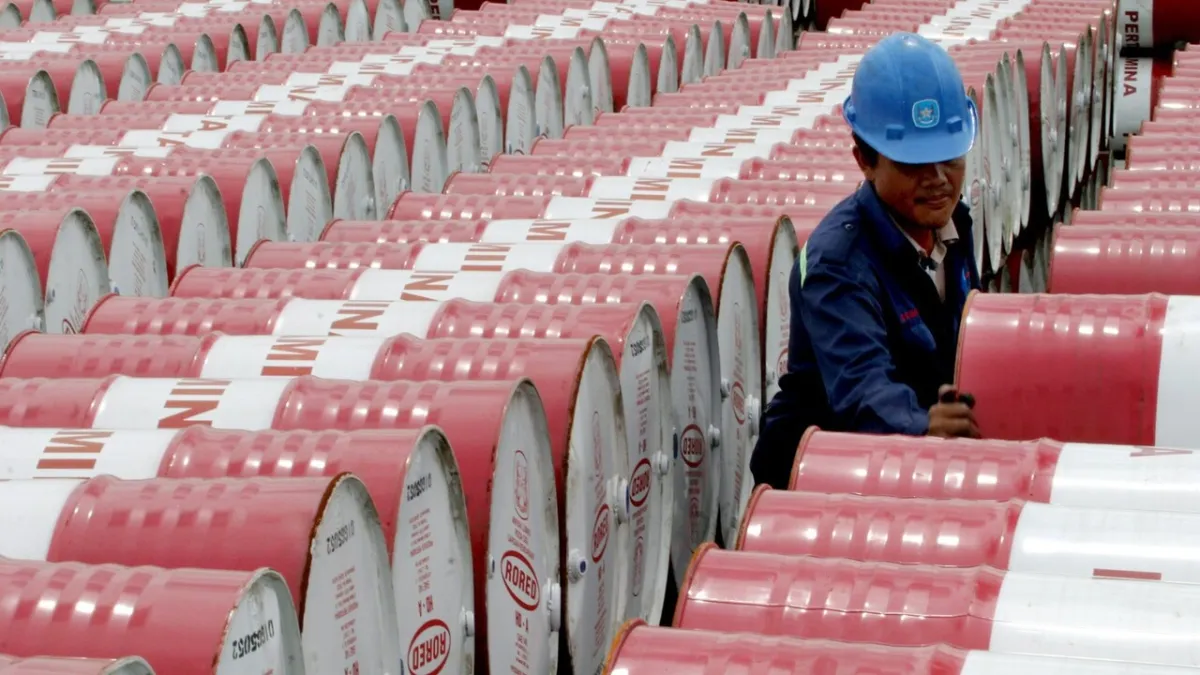
ROME – A recent study by leading research institution Oxford Economics in 2026 reveals a real threat to Europe's economic stability. Analysts affirm that the continent must be far more concerned about the advent of winter than the impact of extreme heatwaves. This warning highlights a potential energy crisis that could necessitate the suspension of the Russian gas embargo and trigger significant price hikes, with Italy named as the most exposed country.
This threat emerges amid persistent geopolitical tensions and Europe's efforts to reduce its dependence on Russian energy. However, according to Oxford Economics, current infrastructure capacity and gas reserves are insufficient to guarantee a stable supply if winter arrives with extreme temperatures.
Italy, with its economic structure heavily reliant on gas imports and minimal domestic alternative energy sources, is projected to be hardest hit by potential energy price increases. Inflation rates could surge, burdening households and industries.
Europe's energy resilience will be fundamentally tested this coming winter. It's no longer just about extreme weather bringing heat, but about our ability to keep households warm and the economy running when temperatures plummet, explained a senior analyst from Oxford Economics in their report.
The implications of this potential crisis are far-reaching. Companies across Europe, particularly in the manufacturing sector, may face escalating production costs or even be forced to reduce operations. This could trigger a wave of layoffs and slow down the ongoing post-pandemic economic recovery.
The European Union has made strenuous efforts to replenish gas reserves and seek alternative supply sources, including from the United States and Middle Eastern countries. However, this process has been slow and confronted by intense global competition, keeping gas prices volatile.
A worst-case scenario considered by Oxford Economics is that the European Union might be compelled to suspend the gas embargo against Russia to ensure adequate supply. Such a step, if it occurs, would be a severe blow to the credibility of the EU's foreign policy and its collective efforts to pressure Russian aggression.
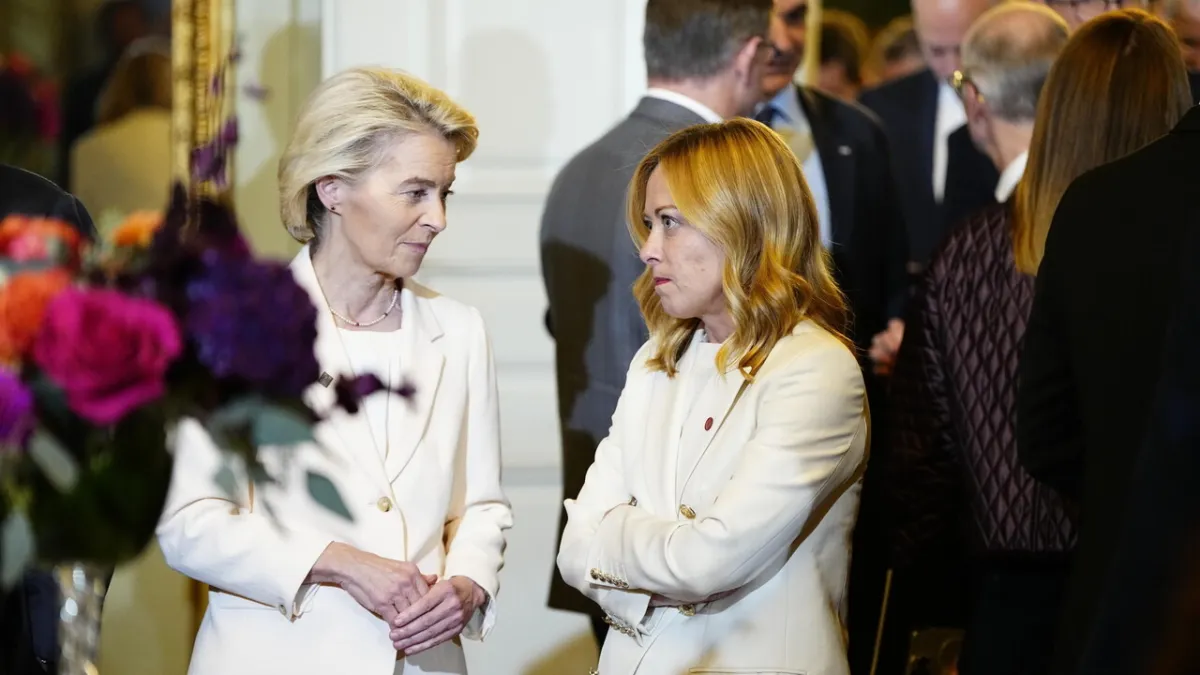
The Italian government, under its Prime Minister, is reportedly preparing various mitigation measures. These include emergency plans for energy rationalization and seeking long-term contracts with non-Russian gas suppliers. Economic issues and border security are key concerns, as seen in previous news about Meloni Urges Europe to Strengthen Borders, Italian Economy 2026 Positive!.
In contrast to concerns about heatwaves often triggering forest fires and health problems, the threat of winter strikes at the core of infrastructure and livelihoods more fundamentally, especially for vulnerable population groups.
European leaders are urged to accelerate energy source diversification and strengthen storage capacity. Collaboration among EU member states is also crucial to address these immense logistical and financial challenges.
Editorial Insight: This Oxford Economics warning is not merely a weather forecast, but an economic projection underlining the fragility of Europe's energy system. Historical reliance on Russian gas has now become a boomerang, forcing Europe into a difficult choice between political principles and the pragmatic needs of its citizens. If the embargo suspension scenario materializes, its impact will extend beyond energy prices, affecting the EU's geopolitical credibility on the global stage, potentially triggering further regional instability.