 Debby Wijaya
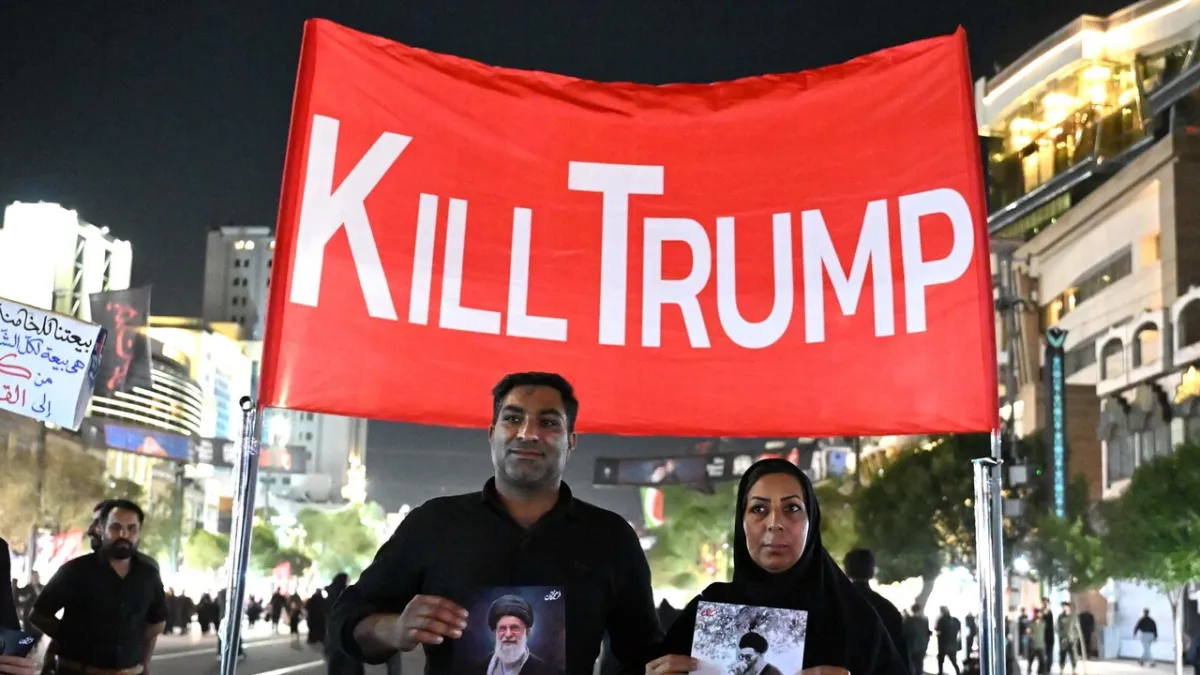
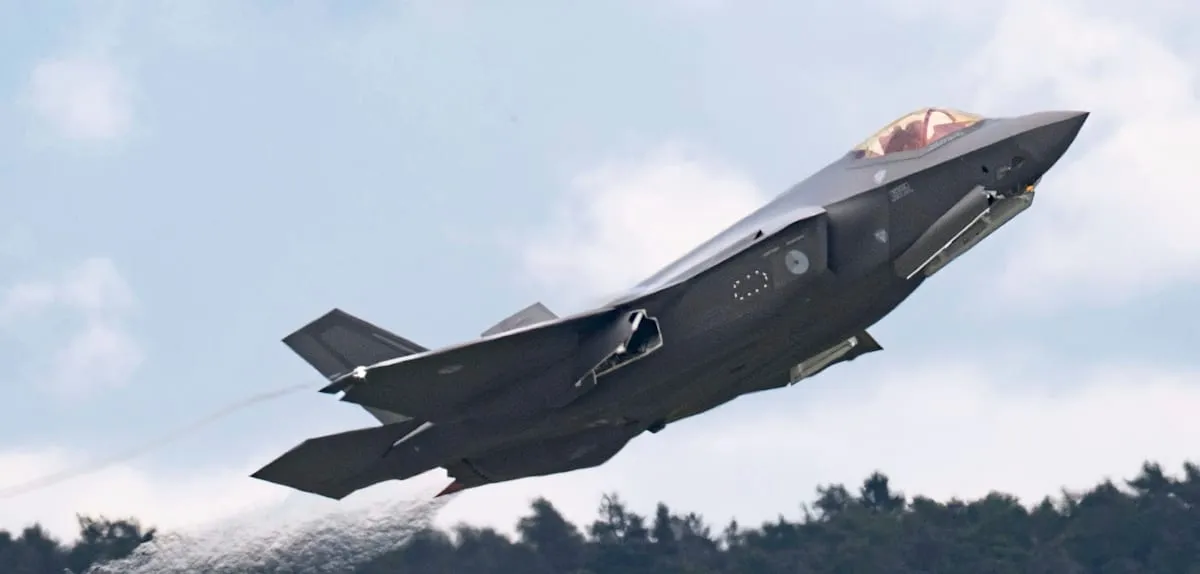
Tehran — Tensions in the Middle East have reached a critical point after the United States launched a new series of airstrikes against Iran, which Tehran swiftly retaliated by targeting military bases in Kuwait and Bahrain. This escalation occurred amid Iran's profound mourning following the recent funeral procession of the late Supreme Leader Ayatollah Ali Khamenei in 2026, further complicating the region's already fragile security situation.
The Iranian Health Ministry reported that the two consecutive days of aggression by the United States have killed at least 14 people and injured 78 others in various locations. The rising civilian casualties have fueled public outrage and increased calls for a more decisive response from the Iranian government.
Iran's retaliatory strikes serve as tangible proof of Tehran's anger. Regional intelligence sources confirmed that several bases in the Gulf region, including those in Kuwait and Bahrain, were targeted by missiles and drones launched from Iran. Although full details of damage and casualties have not yet been confirmed by Kuwaiti and Bahraini authorities, these incidents mark a significant escalation.
Muhammad Bagher Ghalibaf, Iran's Chief Negotiator, issued a stern warning to the United States. "Do not waste your energy. You will only sink deeper," he stated, emphasizing Tehran's resolve not to be deterred by pressure. This statement reflects Iran's strong determination to defend its sovereignty amidst external attacks.
Geopolitical analysts view the death and burial of Ali Khamenei in 2026 as a significant destabilizing factor. The loss of a central figure who led Iran for decades creates a leadership vacuum that could potentially trigger internal power struggles or even open avenues for more audacious foreign intervention.
This situation has sparked global concerns about broader impacts on regional stability and the world's energy markets. Open conflict between these two major powers could trigger an oil crisis, given that Iran and other Gulf states are vital oil producers. The Threat of Iran's Escalation: Global Oil Prices Set to Permanently Soar? poses a serious question for the global economy.
Similar escalations have occurred previously, such as when US Airstrikes Hit Iran's Rail Network also provoked a strong reaction from Tehran. This recurring pattern of conflict indicates that diplomatic solutions are increasingly difficult to achieve, and both sides appear to be preparing for a prolonged confrontation.
The current administration of United States President, Joe Biden, faces significant pressure from both domestic and international allies to de-escalate tensions. However, Iran's retaliatory strikes on US allied bases complicate diplomatic efforts and increase the risk of fatal miscalculations.
The United Nations Security Council is expected to hold an emergency meeting soon to discuss this crisis. Diplomats are urging all parties to exercise restraint and return to the negotiating table, but the prospect of peaceful dialogue appears bleak amidst the rising tide of violence.
The international community now awaits the next steps from Washington and Tehran. Will there be a successful de-escalation, or will an uncontrolled spiral of violence drag the entire region into a deeper abyss of conflict? The answer will largely determine the fate of the Middle East in the coming years.