 Dorry Archiles
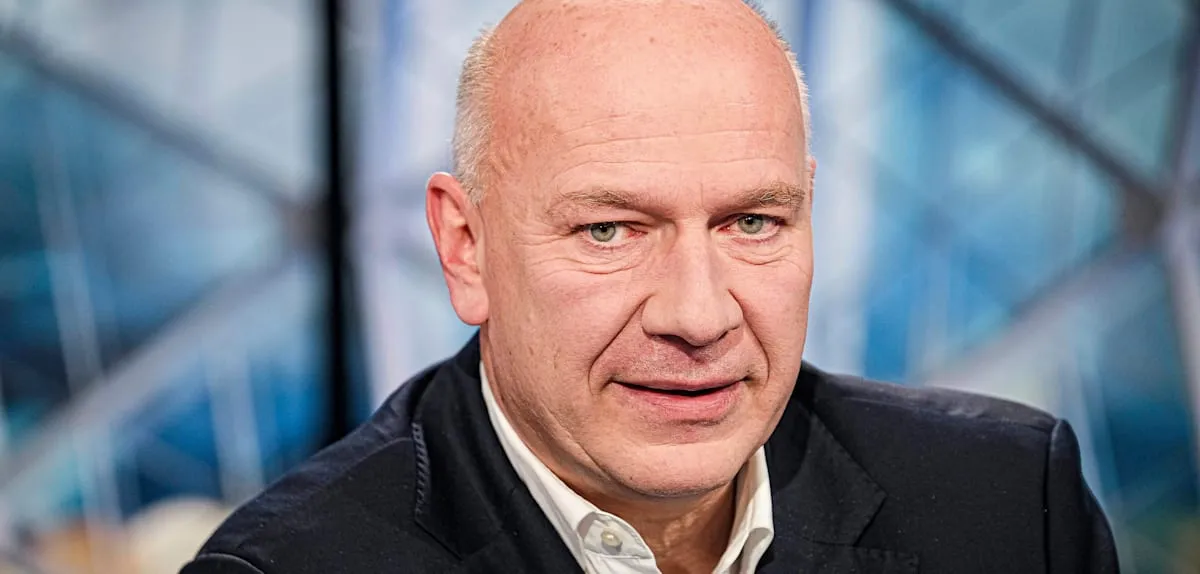
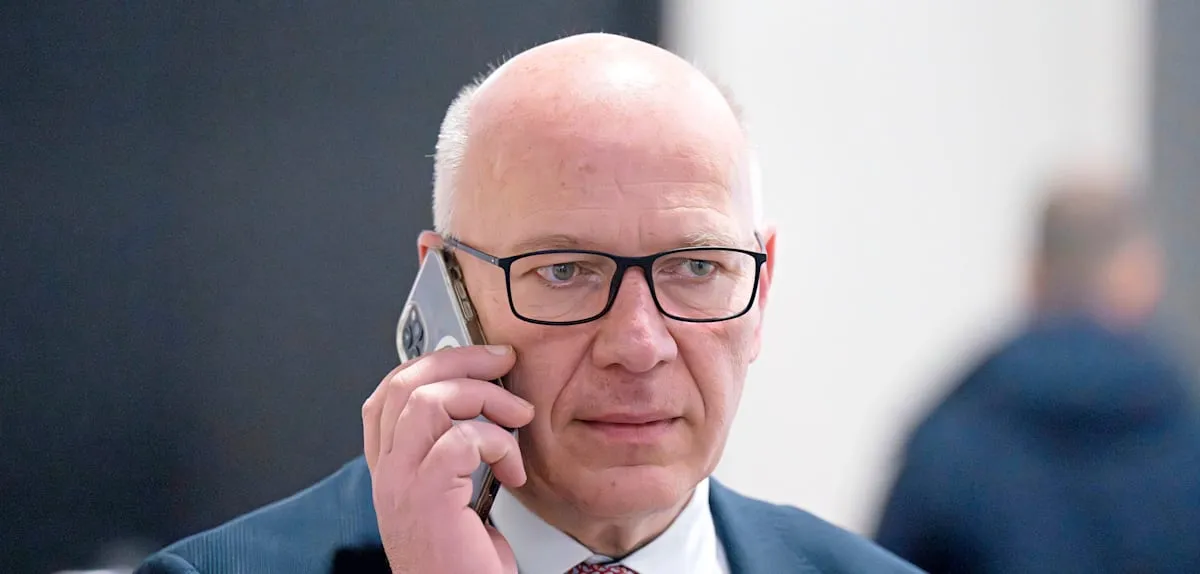
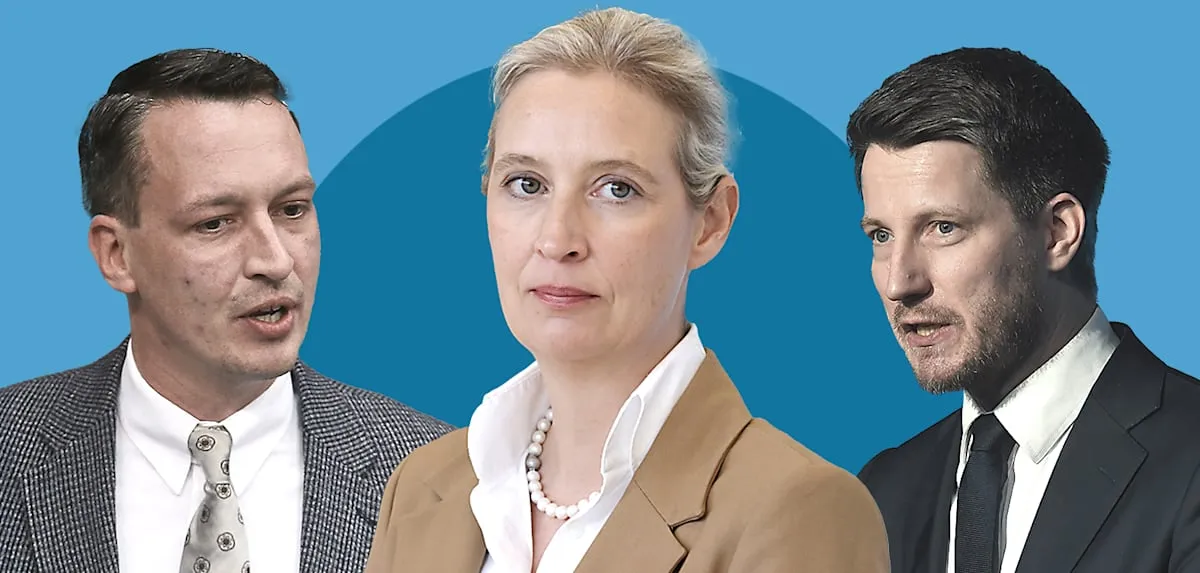
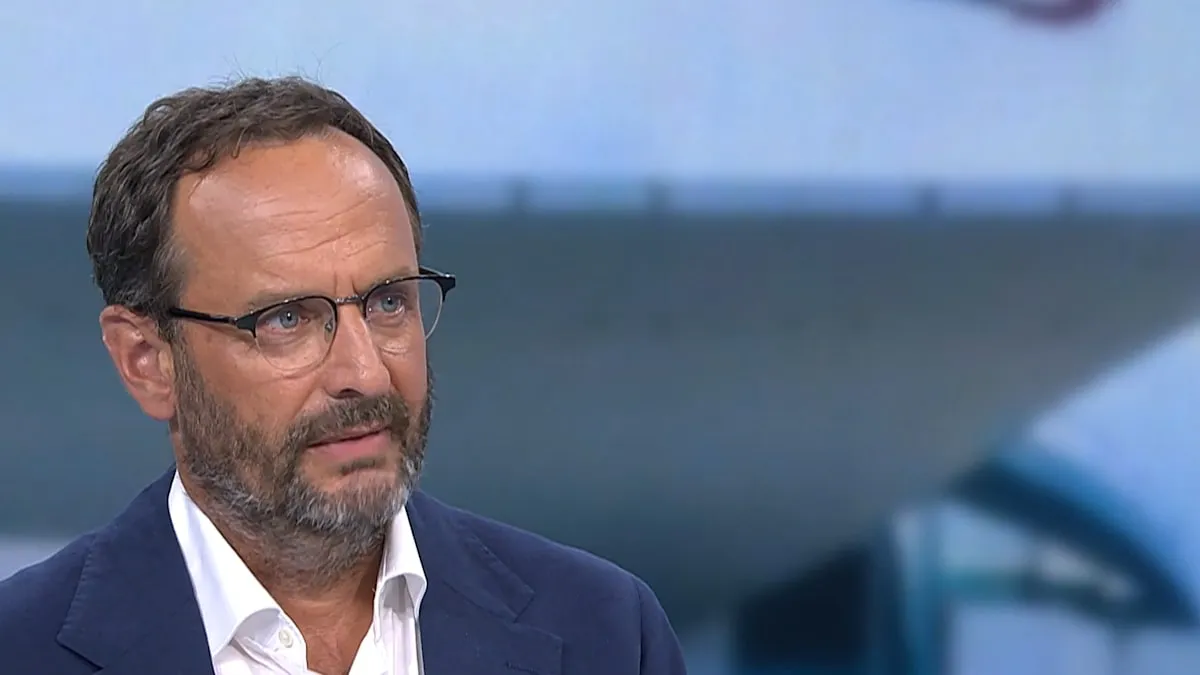
Berlin, Germany — A sharp wave of criticism has hit Berlin Mayor Kai Wegner after politicians from his own party, the Christian Democratic Union (CDU), accused him of repeatedly lying. This situation, which surfaced in 2026, raises serious questions about the integrity of his leadership and the political future of the German capital. Businessman Christian Miele, also a member of the Berlin CDU, openly stated that every day Wegner remains in office will erode the trust built by many.
Miele's statement is not an isolated incident. Accusations of Wegner's dishonesty have resonated recently, creating a significant rift within the internal structure of the Berlin CDU. As a businessman and party member, Miele emphasized the long-term detrimental impact on the party's political credibility in the eyes of the public.
"Kai Wegner has not lied just once, but again and again," Miele firmly stated, as quoted from remarks circulating in local Berlin media. "Every day he stays in his position, he will sacrifice the trust that many others have painstakingly built."
This crisis of confidence comes at a crucial moment for the CDU, which is striving to strengthen its position in an increasingly competitive German political landscape. In 2026, various national issues, ranging from health reform to fiscal policy, are under scrutiny. The pressure to maintain leadership integrity is fundamental.
The political burden on Wegner is increasing given his role as Mayor of Berlin, a position that requires high stability and transparency. The German capital often serves as a barometer of national political sentiment, and turmoil at the city level can have broader implications.
Speculation about the possibility of Wegner resigning from his post has begun to surface. Previous analyses have even highlighted the question "Berlin Mayor Cornered: Accused of Lying, Will Wegner Resign?" indicating that this issue is not new, but an accumulation of various incidents. Pressure from internal party members like Miele could accelerate such a decision.
This situation also sheds light on the internal dynamics of the CDU. Although known as a solid party, dissenting voices demanding accountability from its leadership indicate a desire to uphold political ethical standards. Members like Miele may see Wegner's continuation as an obstacle to the party's efforts to regain broad support, especially amidst fierce debates about fiscal burden reductions advocated by the CDU.
The people of Berlin, who have witnessed various political upheavals, are now demanding clarity. The image of an honest and trustworthy leader is an invaluable asset, especially when the city faces complex challenges in development and citizen welfare. A leader's personal integrity not only affects their popularity but also the effectiveness of their administration.
Political observers anticipate that if these accusations continue to unfold without a satisfactory resolution, Wegner's position will become increasingly untenable. The party may have to consider drastic measures to protect its reputation and prevent further polarization within the party.
Wegner's case sets an important precedent regarding ethical standards in German politics, especially in this year 2026. The decisions made by the CDU, as well as Kai Wegner's own response, will serve as valuable lessons for other public leaders.
In a broader context, transparency and accountability are the main foundations of democracy. When these foundations are shaken by repeated accusations of dishonesty, the impact is not only felt by the individual concerned but also by political institutions as a whole.
This also occurs as Germany grapples with other important issues, such as the stalled health reform, which further highlights the importance of credible leadership. The public expects concrete solutions, not political drama that erodes trust.