 Demian Sahputra
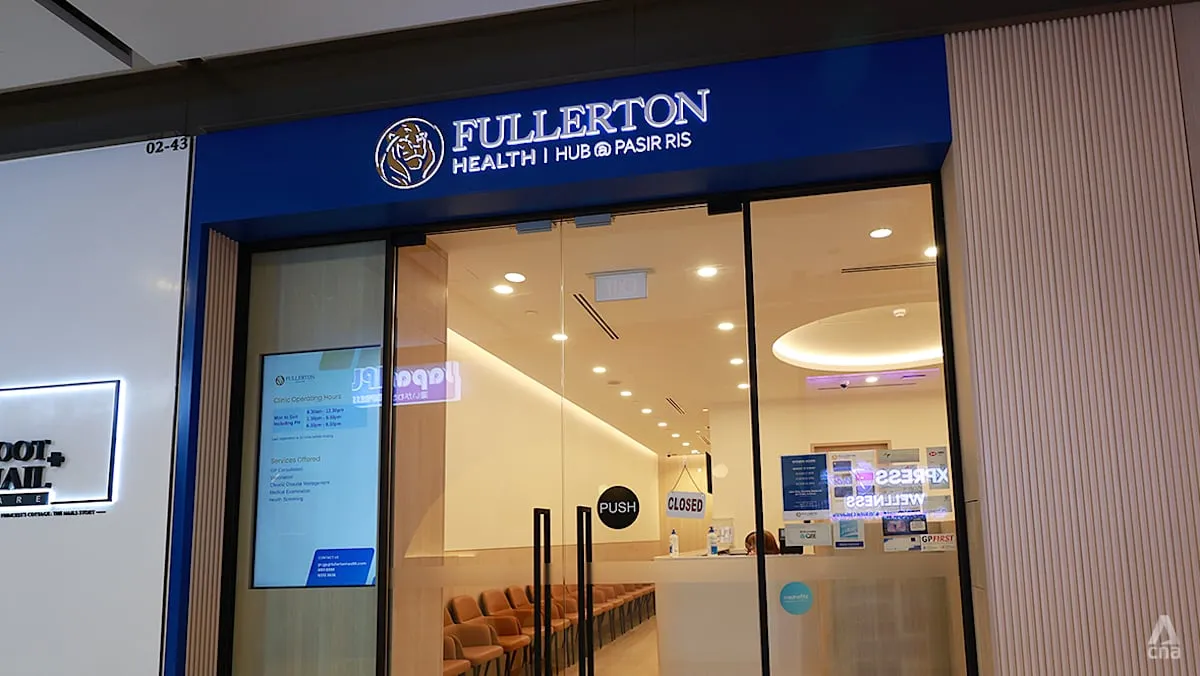
SINGAPORE – Thousands of migrant workers' personal data registered with Fullerton Health Group have been leaked in Singapore, sparking serious concerns about an increased threat of employment scams and identity impersonation. This incident, occurring in 2026, has exposed sensitive information including full names, residential addresses, and phone numbers, placing the migrant worker population at extremely high risk.
The data breach came to light after migrant worker groups voiced deep apprehension. They fear that the leaked information will enable cybercriminals to craft more convincing scam schemes, making fake work permit messages or fraudulent job offers increasingly difficult to distinguish from legitimate ones.
Labor advocacy groups have indicated that with access to such personal data, scammers can compose seemingly authentic messages, entrapping migrant workers desperate for employment or permit renewals. This could lead to significant financial losses for the victims.
The allegedly leaked data includes:
- Full names
- Residential addresses
- Phone numbers
With this detailed information, scammers can build false credibility. They can claim to be official recruitment agents or even government representatives, exploiting the trust and lack of information among migrant workers regarding official procedures.
A representative from a migrant worker group, who wished to remain anonymous, stated, 'A data breach like this is a nightmare for migrant workers. They are already in a vulnerable position, and now their personal information is being exploited for malicious purposes.'
To date, Fullerton Health has not issued a detailed public statement regarding the full scale of the breach or the mitigation measures they have taken. This silence only adds to the anxiety among the migrant worker community and activists.
This incident highlights the fragility of data protection systems amidst a massive wave of digitalization. The Singaporean government and regulatory bodies must immediately intervene to investigate and ensure accountability for a privacy breach of this magnitude.
Online scam phenomena are not new. Data breaches often fuel criminal activities. Similar cases are rampant, with even half of the online promotions during Black Friday 2026 reportedly being cyber scams, demonstrating the widespread nature of this threat.
Relevant authorities are advised to issue public warnings and provide easily accessible reporting channels for migrant workers who may fall victim to scams due to this breach. Education on the dangers of cyber scams is also crucial.
Editorial Insight:
This Fullerton Health data breach incident is not just a typical privacy violation; it is a direct threat to the economic well-being and identity security of thousands of individuals already striving in a foreign land. The lack of corporate transparency only exacerbates the situation. This event must serve as a catalyst for regulators in Singapore to tighten data protection laws and demand greater accountability from entities managing sensitive information. Without firm action, migrant workers will continue to be easy targets for cybercrime, damaging Singapore's reputation as a safe and orderly nation.