 Edward DP Situmorang
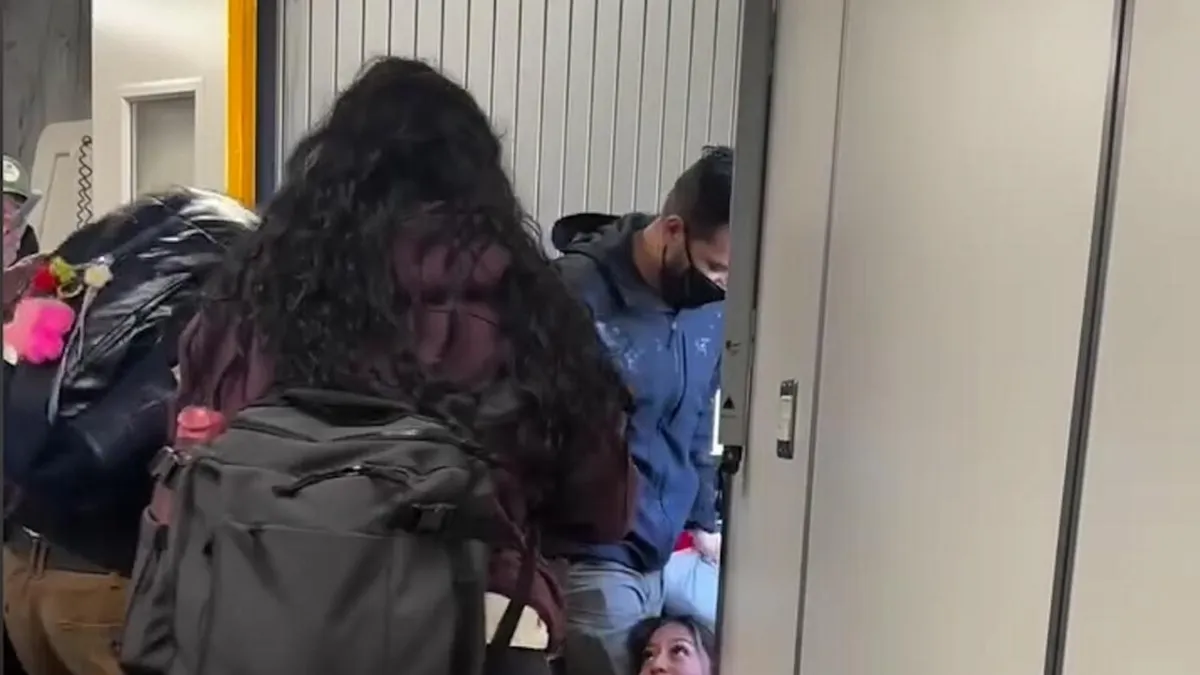
WASHINGTON – The U.S. Immigration and Customs Enforcement (ICE) has resumed a series of intense raids in 2026, sparking a wave of fear among the public. Reports indicate the presence of masked agents in operations that included arrests at Seattle-Tacoma International Airport and the detention of a prominent researcher from Princeton University in the Washington area.
These incidents mark an escalation of immigration policies under President Donald Trump's re-elected administration. The aggressive measures raise serious questions about law enforcement procedures and their impact on individuals' civil rights, particularly within immigrant communities.
At Seattle-Tacoma International Airport, two individuals were apprehended by ICE agents. Details regarding their identities have not been officially released, but eyewitnesses described the arrests as swift and unannounced, adding to the tense atmosphere at one of the nation's major gateways.
More strikingly, a senior researcher from Princeton University was reportedly arrested in Washington. Sources identified the individual as Dr. Elena Petrova, an expert in migration sociology who has conducted critical research on U.S. immigration policies. Her arrest occurred off-campus and has fueled widespread speculation about its underlying motives.
The presence of masked agents in these operations has drawn sharp criticism. The practice of using masks or face coverings is often associated with special forces or counter-terrorism operations, but its application in immigration enforcement is deemed provocative and potentially increases intimidation.
Civil rights advocacy groups were quick to vehemently condemn these ICE actions. They highlighted that such tactics create a climate of terror and complicate legal recourse for detained individuals, who may not understand their rights amidst the tension and operational secrecy.
President Trump's immigration policies have long been a subject of fierce debate. Early in his 2026 term, President Trump reiterated his commitment to tightening borders and implementing stricter immigration enforcement, consistent with his campaign promises. This has been reflected in various policies and statements released.
Addressing criticism from Democrats, President Trump previously warned about the difficulties of working with the Senate leader from that party. This statement underscores the potential for continued political tension surrounding the implementation of controversial immigration policies.
The arrest of Dr. Petrova, an academic with an international reputation, also attracted attention from the global scientific community. Concerns have emerged regarding potential restrictions on academic freedom and the impact of immigration policies on cross-border research and knowledge exchange.
Political observers predict that these incidents will further inflame the political climate in the United States. With midterm elections approaching, immigration is likely to become a key debate point, shaping public narratives and influencing voter preferences.
Editorial Insight:
The resurgence of aggressive ICE raids in 2026, particularly with masked agent tactics and the arrest of an academic researcher, reflects a significant shift in the US's immigration enforcement approach. This has the potential to deepen domestic political polarization and spark waves of protest. The impact on the United States' image internationally, especially concerning its commitment to human rights and academic freedom, also warrants close observation. These policies could backfire, alienating allies and strengthening opposition narratives domestically.