 Dorry Archiles

BERLIN – Germany now faces a harsh reality as its homeownership rate plummets to the lowest point in two decades. This situation is more than just an economic statistic; it represents a serious threat to the crucial pillars of individual wealth creation, retirement provision, and social stability at the heart of Europe. Economic observers and sociologists are urging the government to immediately activate various policy instruments to reverse this worrying trend before its impact spreads further and becomes uncontrollable.
The drastic decline in private property ownership has generated widespread concern among the public and policymakers alike. For many years, owning one's own home was seen as one of the primary foundations for the long-term financial security of German citizens, providing a strong basis for asset accumulation and old-age security.
Economic experts highlight that homeownership not only serves as a valuable asset but also as an effective inflation hedge. By investing in property, the real value of assets tends to be protected from the erosion of currency purchasing power, a significant advantage in an often-volatile global economic landscape.
Another equally crucial aspect is its role in retirement planning. A mortgage-free home can substantially reduce living costs in old age, freeing up pension income for other needs and improving the quality of life for seniors. This is a vital component of the indirect social security system.
Beyond mere economic calculations, homeownership contributes to social stability. Citizens with emotional and financial ties to their residences tend to be more active in their communities, contributing to a more cohesive and resilient environment. The loss of the 'dream of owning a home' could erode these bonds.
The German government, through its Ministry of Economy and Ministry of Housing, possesses the mandate and capacity to respond to this crisis. Various policy 'levers' can be activated, ranging from tax incentives for first-time homebuyers, subsidies for affordable housing construction, to simplifying bureaucratic procedures for construction permits.
One potential step is the revision of zoning and urban planning regulations, which often hinder new housing projects. By accelerating permit processes and identifying more developable land, housing supply is expected to increase, thereby curbing uncontrolled property price hikes.
Financial assistance programs for down payments or low-interest loan schemes could also be considered. Such schemes have proven effective in other countries in helping young or middle-income households climb the property ownership ladder.
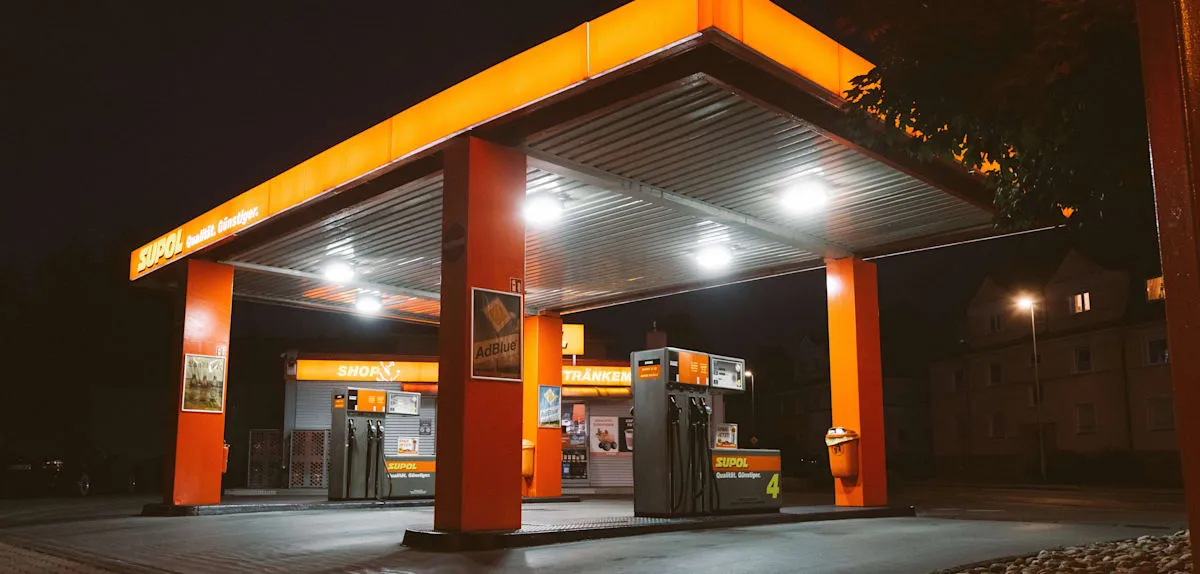
This crisis also reveals a close link to other economic issues in Germany. As highlighted in articles concerning soaring fuel prices in Germany and criticism of the Ministry of Economy, economic pressure on households further complicates their ability to save for property purchases.
The German government is expected to coordinate cross-ministerial efforts. Comprehensive policies are required, involving the private sector and local governments, to create a fairer and more sustainable housing ecosystem.
If this trend is not addressed promptly, Germany risks losing a fundamental part of its socio-economic identity. Younger generations may forever be trapped in a rental cycle, hindering social mobility and widening the intergenerational wealth gap.
Editorial Insight: Germany's homeownership crisis is not merely a matter of statistics but a reflection of deeper structural economic challenges. The government's response must extend beyond short-term fixes, demanding a long-term vision that encompasses regulatory reforms, financial incentives, and infrastructure development to support population growth. Failure to act will have far greater consequences than a mere statistical decline, potentially eroding the foundations of Germany's prosperity and social cohesion in the years to come.