 Edward DP Situmorang
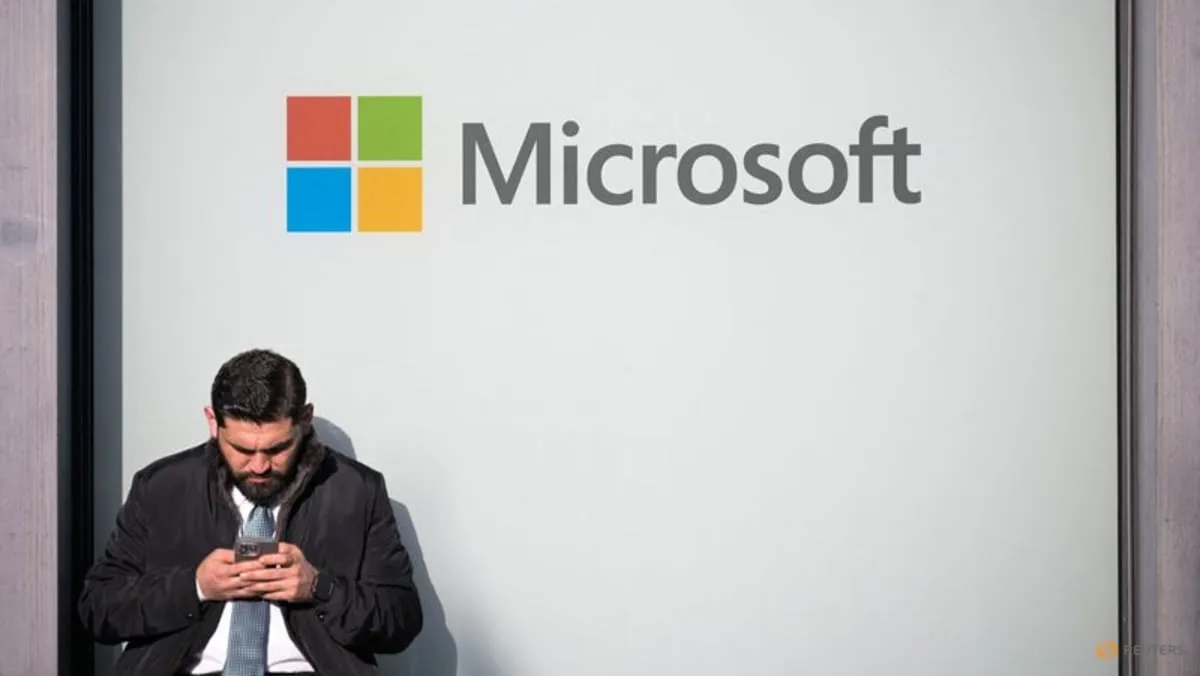
WASHINGTON, D.C. – The United States Congress has formally urged Microsoft to provide a detailed briefing regarding reports of a potential collaboration that could allow ByteDance, the Chinese technology giant, to leverage advanced artificial intelligence (AI) models from OpenAI via its Azure cloud computing platform. This demand follows a report by The Information detailing discussions about such a deal, triggering serious concerns among legislators regarding data security, technological competition, and broader geopolitical implications.
The report by The Information, which sent ripples through the global tech world, indicates that Microsoft is contemplating providing ByteDance access to OpenAI's AI models through its Azure infrastructure. If realized, this move would represent one of the most significant and sensitive technological collaborations between a US company and a Chinese firm amid escalating geopolitical tensions.
Legislators on Capitol Hill expressed deep apprehension about the potential transfer of critical technology and national security risks. They insisted that any such agreement must undergo rigorous scrutiny to ensure no loopholes could be exploited by foreign entities, particularly concerning sensitive data and strategic AI innovation.
Several members of Congress, long vocal about threats posed by Chinese tech companies, specifically highlighted the track record of ByteDance, the parent company of TikTok. They fear that access to OpenAI's AI models could strengthen ByteDance's surveillance and data collection capabilities, which might in turn be utilized by the Chinese government.
These concerns are not new. The United States under President Donald Trump has repeatedly implemented strict policies to limit China's access to advanced US technology, especially in the semiconductor and AI sectors. This report certainly reignites fierce debates regarding the boundaries of cross-border technological collaboration.
Microsoft, as a global leader in cloud computing and AI, maintains close investment and collaborative ties with OpenAI. This partnership has positioned Microsoft at the forefront of the AI revolution but also places it in a geopolitical dilemma when dealing with the vast Chinese market.
For ByteDance, gaining access to OpenAI's AI models represents a significant strategic advantage. It would enable them to enhance their products and services without having to invest heavily in AI research and development from scratch, while also competing more effectively with other tech giants racing in AI innovation.
Internal sources close to the negotiations indicated that discussions are still in early stages, and no final agreement has been reached. However, the mere existence of these talks has been sufficient to trigger alarms in Washington, given the sensitivity of AI technology and its implications for national security.
Cybersecurity and technology experts also issued warnings. They argue that while AI models are not directly hardware, access to advanced processing capabilities and algorithms can still provide significant advantages that could potentially be misused or exploited.
This congressional demand calls for full transparency from Microsoft. Legislators want to understand in detail how this potential deal would be structured, what risk mitigation measures would be implemented, and what assurances can be provided to protect user data and the national interests of the United States.
Global competition in AI is intensifying. Nations are vying to be at the forefront of this innovation, and any cross-border collaboration involving key technologies will always be under scrutiny. Previously, discussions emerged about how AI technology, such as that developed by Nvidia, could benefit China if certain restrictions were absent. (Palmer Luckey Urges Nvidia CEO Restoration; China Benefits Without Jensen Huang).
This case serves as a crucial test for US policy in balancing the economic interests of major technology companies with national security priorities. It will also be a barometer for how tech giants like Microsoft will navigate an increasingly complex geopolitical landscape.
The future of technological cooperation between the US and China will largely depend on how such agreements are structured and overseen. Microsoft's decisions and Congress's response will set important precedents for the global AI industry.
Editorial Insight:
This situation highlights the perpetual dilemma where global business ambitions often clash with national security, especially in cutting-edge technological sectors like AI. The US Congress's demand to Microsoft is not merely a call for transparency, but a reflection of deeper concerns regarding the transfer of strategic advantages to geopolitical rivals. If Microsoft proceeds with this deal, they must demonstrate extremely robust and convincing risk mitigation measures, or risk facing severe backlash from the government and public. Conversely, if the deal is thwarted, it signals the dominance of national security factors over commercial interests, shaping a stricter AI regulatory landscape in the future.