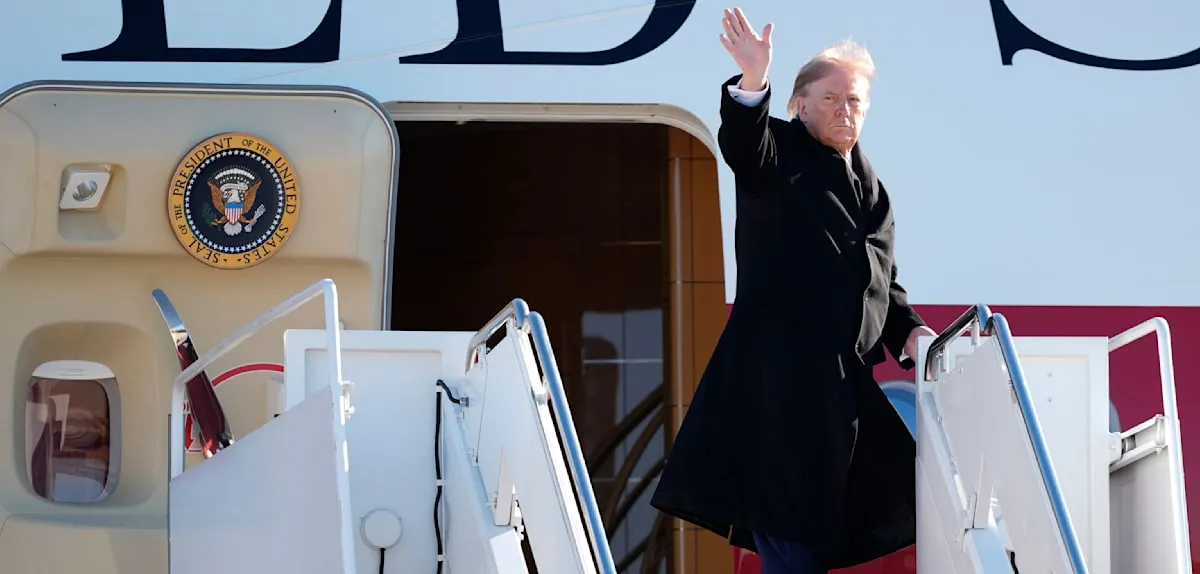
ANCHORAGE – The United States presidential aircraft, Air Force One, abruptly altered its refueling route at a military base in Alaska in mid-February 2026. This incident immediately sparked a storm of speculation among geopolitical observers and international media, raising fundamental questions about the reasons behind the unexpected maneuver and its implications for President Donald Trump's crucial journey.
The event occurred as Air Force One was on a transit flight, initially scheduled for a routine refueling stop at one of the strategic air bases in the region. However, at the last minute, without clear public notification, the aircraft diverted to an alternative location, shrouding the purpose and urgency of the change from media scrutiny.
Although the White House and the Department of Defense have not provided detailed explanations, such incidents are rare. The security protocols for the US presidential flight are known to be extremely stringent, with flight routes, refueling, and alternative locations meticulously planned well in advance.
Aviation security analysts underscore that a sudden route change for an aircraft as critical as Air Force One could be indicative of several factors. These range from unidentified security threats, urgent technical issues, to changes in diplomatic strategy requiring extreme secrecy.
Speculation abounded. Some parties suspected new intelligence related to potential threats against the president's security or the mission at hand. Meanwhile, others speculated that the change was part of a secret diplomatic maneuver or a response to rapidly evolving geopolitical dynamics.
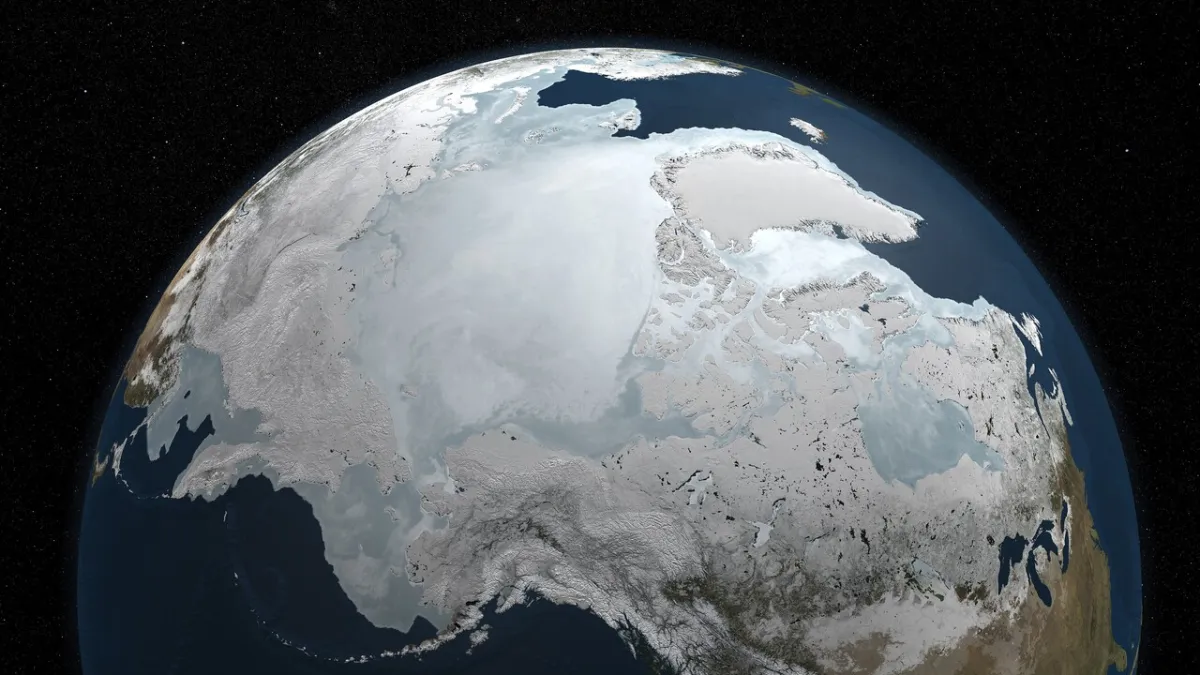
The Alaska region itself holds vital strategic importance for the United States, particularly in the context of Arctic defense and its proximity to Russia and China. Any unusual activity in this area is always closely monitored by the global intelligence community.
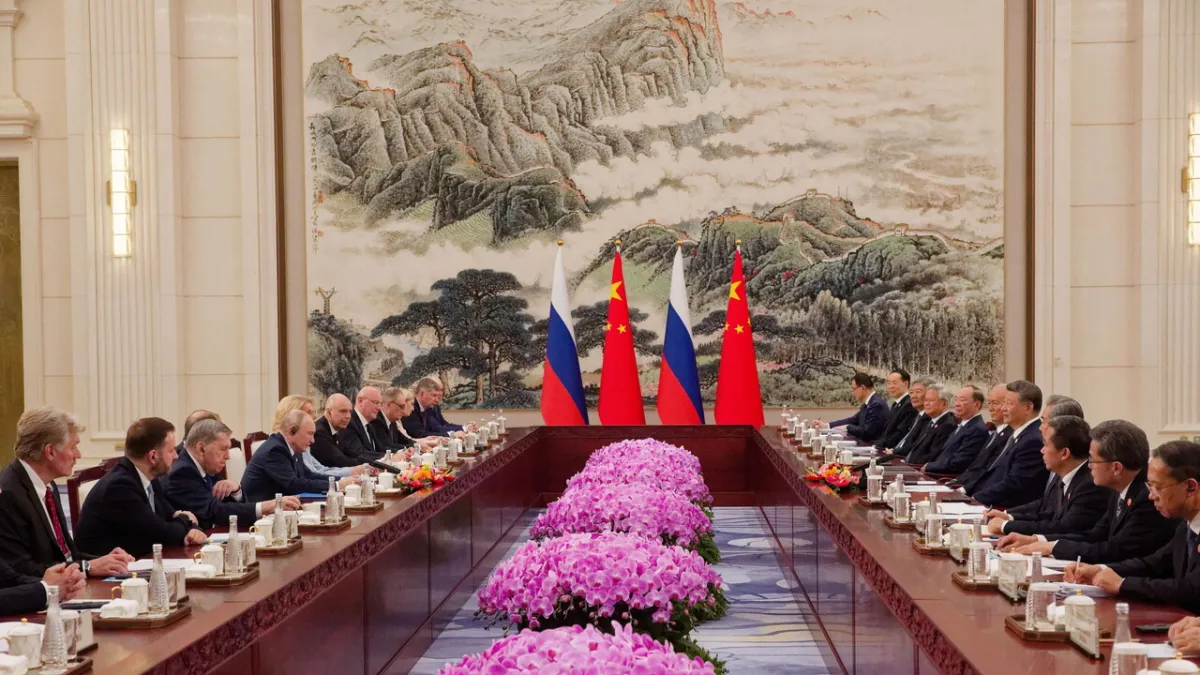
This route change also comes amidst a crucial period of international relations, especially ahead of the APEC Summit 2026, which brings together major powers such as Washington, Beijing, and Moscow. President Trump's travel agenda is believed to be laden with sensitive issues that could reshape the global political landscape.
The opposition in the United States, through its representatives in the Senate, immediately demanded transparency from the Trump administration. They called for a comprehensive explanation so that the public could understand the true reasons behind a decision perceived as potentially undermining stability and the credibility of US leadership on the world stage.
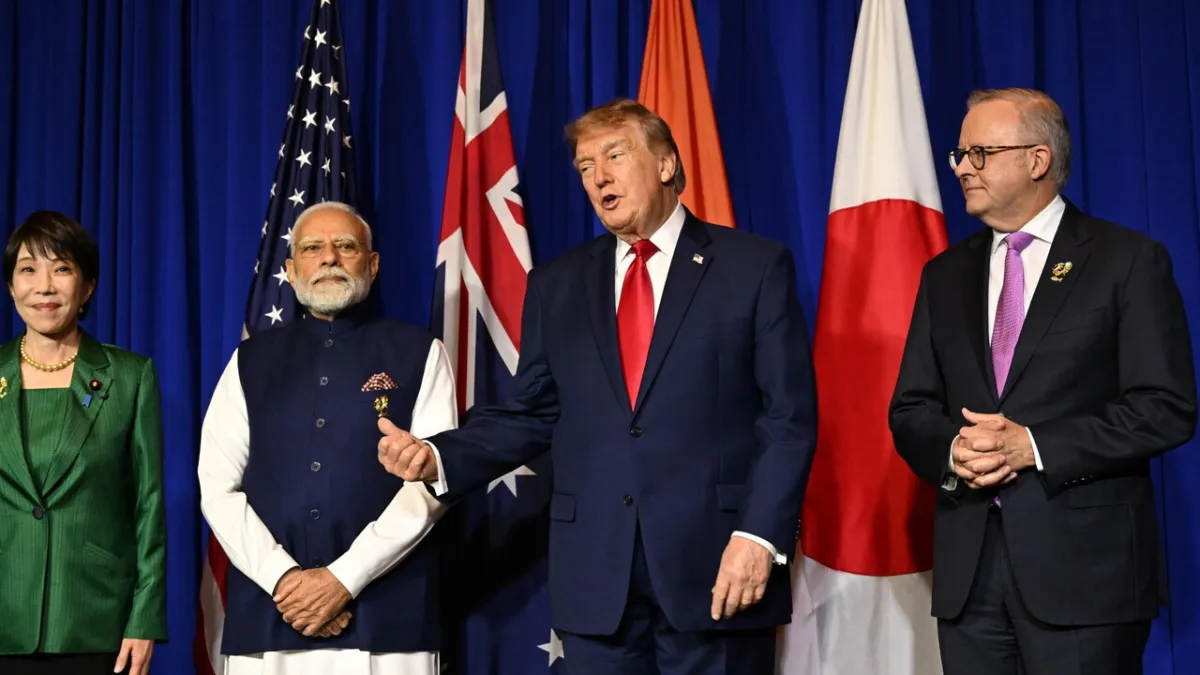
President Trump himself, in several recent statements, has highlighted the urgency of conflict resolution and reiterated his position in global dialogue. His statements, such as, Putin wants the war to end, will not attack further, indicate his focus on de-escalating international tensions, which might be related to the purpose of his journey.
This incident once again highlights how every movement of a superpower leader is keenly observed and can trigger diverse interpretations, especially when shrouded in secrecy and a lack of clear information.
Editorial Insight: The alteration of Air Force One's route in Alaska is not merely a common logistical incident. In the tumultuous geopolitical context of 2026, such a maneuver carries significant weight. The absence of a swift official explanation only deepens the veil of mystery, testing public trust, and perhaps serves as an implicit message to US rivals. Washington needs to promptly clarify this event to quell speculative tensions and maintain its credibility as a key actor on the global stage.