 Demian Sahputra
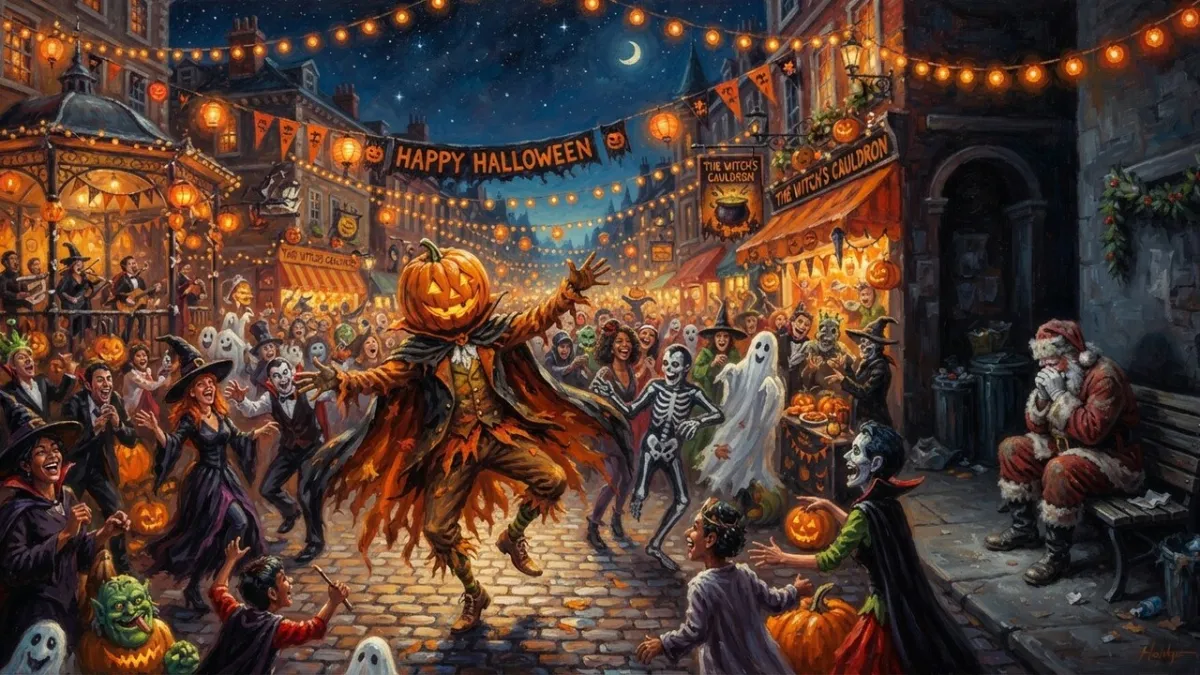
ROME – The 2026 Halloween celebration reveals a fundamental shift. The tradition of horror, rooted in ancient legends, has now transformed into a massive market exploitation arena, changing the essence of the celebration into a global commodity. This phenomenon, sweeping across various segments of society worldwide, raises critical questions about the authenticity and true meaning behind the spooky costumes and carved pumpkins.
What was once an ancient ritual to ward off evil spirits or celebrate the end of the harvest season has now metamorphosed into a lucrative annual shopping spectacle. From costumes designed for infants to professionally prepared corn mazes, every element of the celebration appears to have been measured and marketed for profit.
The retail industry secures significant profits from this trend. Products once unimaginable, such as magnetic ghost-themed lipstick or skull-patterned ties, flood the market. Data from global retail associations indicate that consumer spending for Halloween in 2026 is projected to reach an all-time high, far exceeding initial forecasts.
This shift has sparked public and academic debate. Some circles worry about the erosion of the celebration's cultural and spiritual values, while others see it as a natural adaptation in an increasingly globalized modern society. Concerns also arise regarding the potential for Halloween disturbances organized by Gen Z, as reported in several European cities, highlighting another aspect of the changing celebration.
The history of Halloween itself originated from the ancient Celtic festival of Samhain, where the boundary between the living and dead worlds was believed to thin. This tradition later evolved with the influx of Christian influence and migration to America, ultimately giving rise to the modern form of celebration we know today.
However, recent adaptations far exceed mere cultural blending. Now, every corner of daily life can be Halloween-ized. Schools host costume parades, companies offer themed discounts, and even social media is filled with horror makeup challenges.
Economists view this phenomenon as an interesting case study in global consumerism. Halloween's ability to absorb various products, from snacks to home decor, makes it a highly flexible and profitable 'brand.' A previous article has extensively discussed how Halloween 2026 transformed into global commercial exploitation.
Cultural critics highlight the loss of authentic mystery and horror. A celebration meant to induce adrenaline with ghost stories and supernatural fears now more often centers on costume aesthetics, social media posts, and discount offers. This erodes the philosophical depth of the celebration that once existed.
Generation Z, now the driving force behind many trends, views Halloween through a different lens. For them, it is an opportunity to express themselves, create, and socialize. Nevertheless, concerns exist about the lack of leadership that could guide this enthusiasm into constructive activities, as previously discussed in the context of potential disturbances.
From carved pumpkins to luxurious merchandise, from traditional ghost stories to blockbuster horror films, Halloween has proven itself to be a dynamic phenomenon. The question now is no longer 'what is Halloween?' but 'how can we preserve its essence amidst the unstoppable tide of commercialization?'
Editorial Insight: Halloween's shift from a spiritual tradition to a global commercial festival reflects a broader trend in contemporary society. Brands and corporations are becoming increasingly adept at capitalizing on cultural celebrations, transforming them into economic opportunities. The challenge lies in how society can balance the allure of consumption with the preservation of cultural roots that give meaning to these celebrations, especially amid the potential social impacts posed by the younger generation.