 Demian Sahputra
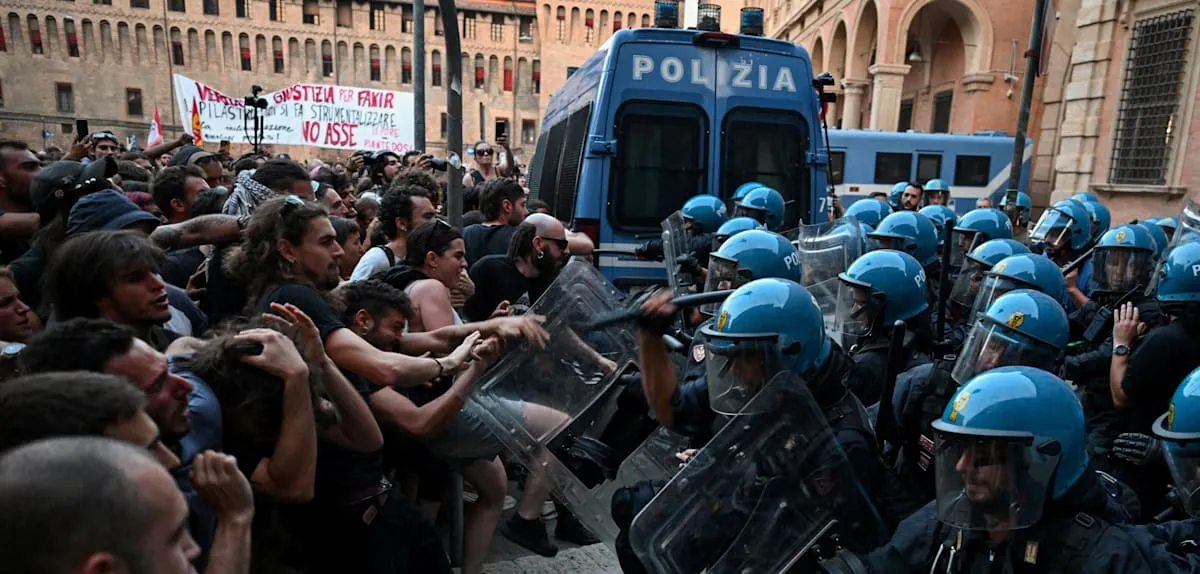
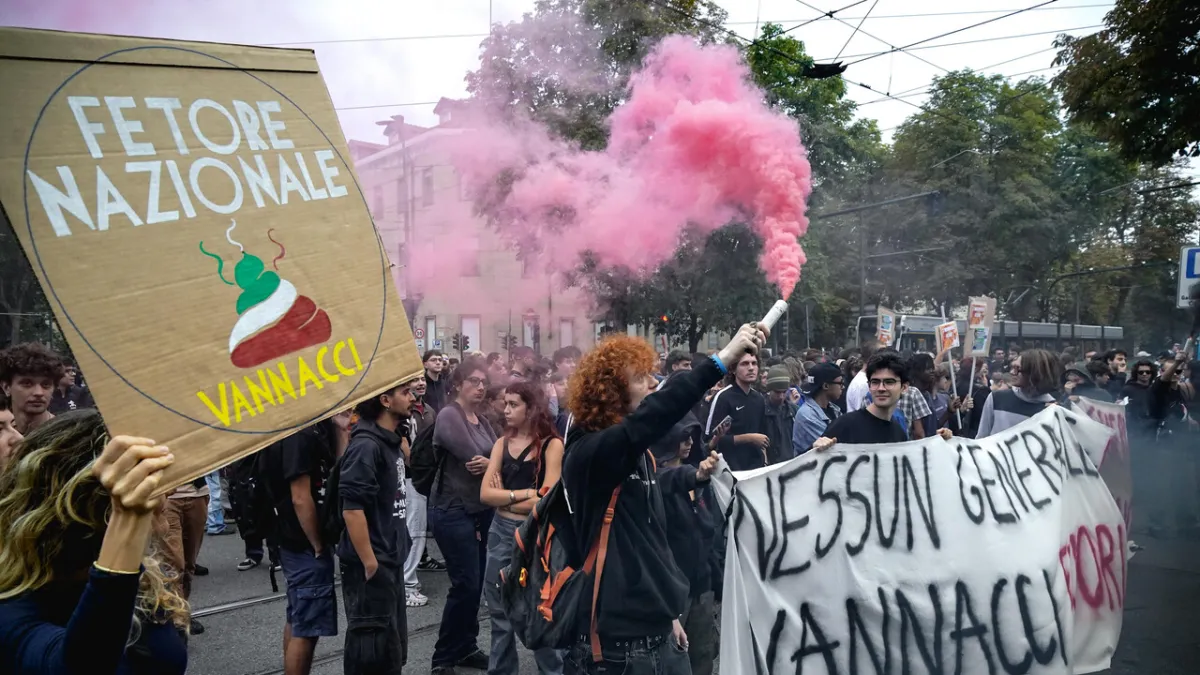
ROME — A wave of anger and unrest has erupted across several major Italian cities, sparking concerns about social stability in 2026. The incident began with the death of a Moroccan immigrant following police intervention. The tragic event, allegedly involving excessive physical restraint despite the victim's repeated pleas for help, instantly ignited mass protests that quickly escalated into fierce confrontations with authorities, even marked by the throwing of Molotov cocktails.
The heartbreaking incident, details of which remain under thorough investigation, occurred in a city corner. Eyewitnesses reported that the immigrant, whose name has not yet been released to the public, was seen being stopped by several police officers. Despite the victim's cries for help, he was reportedly subdued and pressed to the ground until he lost consciousness, and subsequently pronounced dead.
News of the Moroccan immigrant's death spread rapidly through social media and local news channels, drawing strong reactions from various segments of society. Human rights organizations and immigrant advocacy groups immediately called for a transparent investigation and justice for the victim. The atmosphere in the cities grew tense, with spontaneous demonstrations beginning to emerge.
The protests, initially peaceful demonstrations of solidarity and demands for justice, quickly escalated. At several strategic points, crowds began clashing with deployed security forces. Road barricades were set ablaze, vehicles damaged, and most alarmingly, several individuals were seen throwing Molotov cocktails at officers and public facilities, transforming the demonstrations into brutal riots.
The Italian government, through the Ministry of Interior, expressed deep concern over the immigrant's death and the accompanying unrest. A police spokesperson affirmed that an internal investigation had commenced to thoroughly examine the arrest procedures and the exact cause of death. They pledged to act decisively against any officers found to have violated procedures, while also condemning the anarchic actions of the rioters.
This event once again highlights sensitive issues related to immigration policies and the treatment of minorities by authorities in Italy. Over the past few years, tensions between immigrant communities and local residents have often arisen, fueled by various economic and social factors. The death of the Moroccan immigrant exacerbated the situation, rekindling debates about systemic racism and police accountability.
MILAN and NAPLES were among the cities most severely affected by the riots. Amateur video footage showed shops being looted, public facilities extensively damaged, and the heavy scent of smoke filling the air. Firefighters worked tirelessly to extinguish blazes, while medical teams were busy treating injured individuals from both sides, demonstrators and officers.
A sociologist from the University of Bologna, Professor Alessandro Rossi, analyzed the situation. "This is not merely a singular incident, but an accumulation of deep-seated frustration from marginalized groups who feel unheard and unfairly treated," he stated. He emphasized the necessity of constructive dialogue and genuine reforms to prevent similar occurrences.
Local authorities urged all segments of society to exercise restraint and not be provoked. Calls to cease violence continued to be echoed by religious leaders and community figures. Some parties are even planning large-scale peaceful actions as a form of mourning and a demand for more organized justice, aiming to avoid the trap of anarchy.
This kind of violence recalls similar tensions in Bologna some time ago, also triggered by an alleged unnatural death. The incident in Italy is now under international scrutiny, adding to the long list of challenges European nations must face in managing immigrant integration and maintaining public order in 2026.