 Demian Sahputra
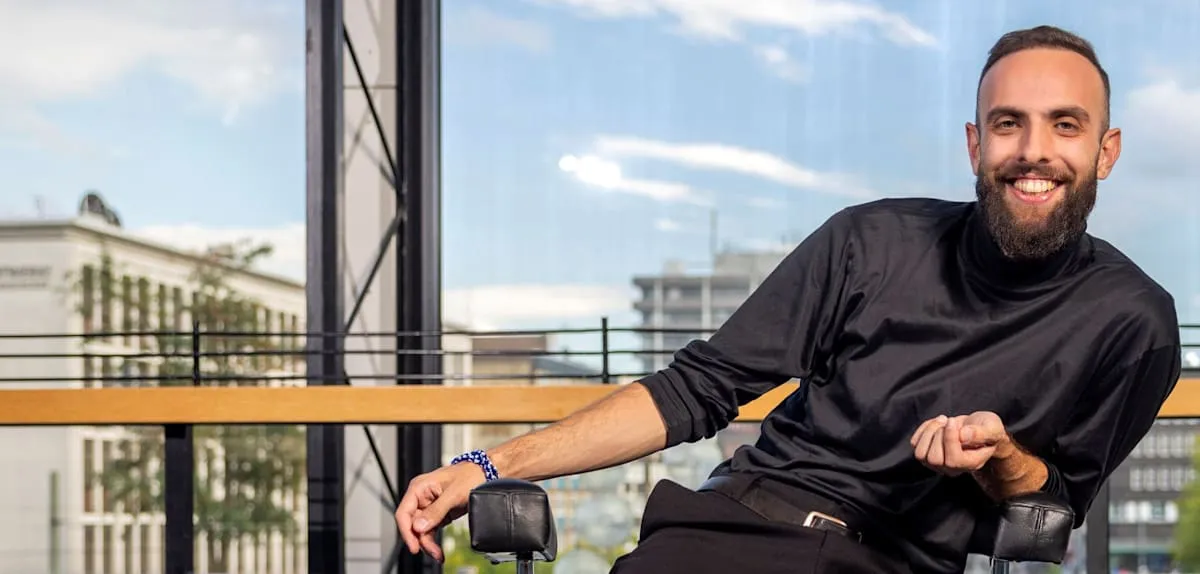
GELSENKIRCHEN – Performance artist Muhammed Kaltuk, raised in a strict Muslim Swiss immigrant family with deep roots in hip-hop culture, is now making waves in classical ballet at the Musiktheater Gelsenkirchen, Germany. His artistic transformation has garnered significant public attention, especially considering many local residents only recognize 'Musiktheater' as a bus stop, not as a magnificent cultural hub.
Kaltuk's story is a narrative of cultural fusion and boundless artistic exploration. From the vibrant streets that shaped his hip-hop identity, he found his way to the rigorous discipline of classical ballet, a rare career trajectory in the world of contemporary performing arts.
Kaltuk's presence on the Gelsenkirchen stage has shifted many perceptions of dance art. He performs not merely as a dancer but also introduces a fresh perspective on how personal cultural heritage can dynamically interact with modern artistic expression.
Musiktheater Gelsenkirchen, often celebrated as Germany's most beautiful theater, now bears witness to Kaltuk's innovation. This grand edifice, an architectural masterpiece in itself, is now infused with the fresh energy and new interpretations he brings to the stage.
The contrast between the general understanding of Gelsenkirchen residents regarding Musiktheater as merely a transport stop and its essence as a cultural arts center, is a key point of Kaltuk's phenomenon. Through his performances, he implicitly encourages them to look beyond just a name on a map.
Kaltuk's transition from the spontaneous and expressive movements of hip-hop to the structured formations of ballet demanded extraordinary dedication. He successfully blended the power and freedom of hip-hop with the grace and precision of ballet, creating a unique style.
Each of his performances is more than just a dance; it is an artistic statement. A statement about self-identity, about breaking genre boundaries, and about embracing diverse personal backgrounds in creative expression.
Art critics and ballet enthusiasts across Germany have warmly welcomed Kaltuk's fresh approach. They praise his courage in integrating two dance worlds previously considered separate and even opposing.
Kaltuk's phenomenon also reflects current global art trends, where artists increasingly combine various disciplines to create something entirely new and relevant to increasingly diverse contemporary audiences.
Kaltuk's work in Gelsenkirchen not only enriches the local art landscape but also contributes to a broader dialogue about the role of immigration and identity in the formation of modern European culture in 2026.
Editorial Insight: The emergence of progressive artists like Muhammed Kaltuk is testament to the vitality of performing arts that can transcend traditional boundaries. His story underscores that innovation often arises from the intersection of cultures and the courage to reinterpret existing art forms. This phenomenon simultaneously invites the public to further appreciate the richness of their surrounding cultural heritage, not just as physical structures, but as dynamic living spaces for artistic creation.