 Robert Andrison
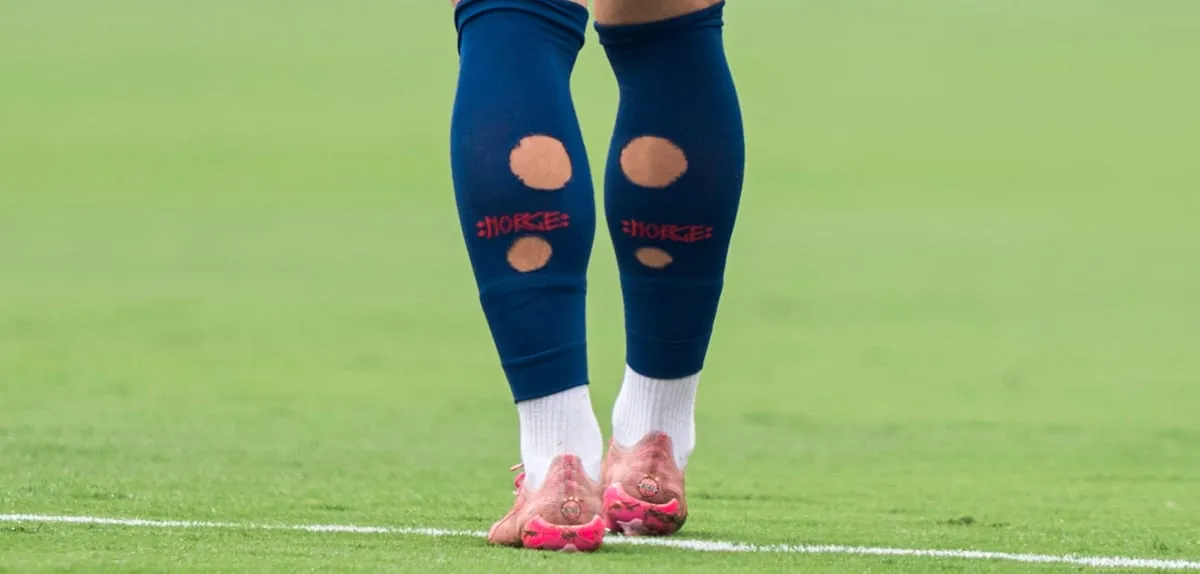
DOHA — An unusual trend has become a hot topic at the 2026 Qatar World Cup, where a number of professional footballers are appearing with deliberately cut socks. This practice, observed in many top players, aims to alleviate pressure on calf muscles and improve blood circulation, a measure believed to prevent injuries and optimize performance throughout the grand tournament.
This phenomenon first garnered widespread attention during the early group stage matches, when cameras highlighted the calves of several players sporting symmetrical holes in their socks. Initially mistaken for damage, it was later revealed that the action was intentional, forming part of their physical preparation.
Sports physiotherapists explain that calf muscles, or gastrocnemius, frequently experience excessive pressure due to intense physical activities such as running, jumping, and pivoting. Standard tight football socks, especially around the calves, can restrict blood flow and exacerbate muscle tension.
By cutting holes in their socks, players hope to release some of this pressure. The main idea is to allow the muscles to expand naturally, reducing the risk of cramps and facilitating venous blood return from the legs to the heart. This becomes crucial in a tournament demanding extraordinary physical endurance like the World Cup.
While there are no large-scale scientific studies definitively proving the effectiveness of this practice, many players who have adopted it report feeling more comfortable and experiencing fewer muscle issues. This suggests that comfort and psychological factors also play a significant role in the adoption of this trend among elite athletes.
A number of football stars, competing in various crucial matches, have been seen employing this method. From tireless defensive midfielders to speedy wingers, the phenomenon of holed socks has become a common sight, adding a unique aesthetic to their national team jerseys.
Amidst the spotlight on tactical and physical innovations on the pitch, the football world is also abuzz with news of a change in leadership for the Portuguese national team. The Portuguese Football Federation (FPF) officially announced the appointment of a new coach to lead Cristiano Ronaldo and his teammates.
This appointment follows a comprehensive evaluation of the team's performance in previous events and Portugal's grand ambition to win the world title in the future. With the 2026 World Cup as the main stage, the selection of a new coach is a strategic step to build a more solid and competitive squad.
The new coach's name, whose identity remains undisclosed in the original RSS source, is expected to bring a fresh perspective and a playing philosophy capable of maximizing the potential of Portugal's talented players. This decision demonstrates the FPF's seriousness in responding to the constantly evolving dynamics of modern football.
Regardless of sock trends or coaching changes, the 2026 World Cup continues to deliver drama and surprises. Previously, sensitive issues regarding alleged special treatment by FIFA towards one of the favorite teams also surfaced, as discussed in the article Unveiling FIFA's Alleged Favoritism Towards Messi and Argentina in the 2026 World Cup. This adds complexity to the tournament's narrative.
The challenge for each team is not only to defeat opponents on the field but also to maintain the physical and mental fitness of the players. Every detail, from nutrition, rest, to equipment modifications like socks, is carefully considered for peak performance.
Fans certainly hope that all efforts, both behind the scenes and on the field, will yield optimal results. Competition at the 2026 World Cup is predicted to be even tighter, with each nation deploying its best strategies.
Portugal's coaching change, for instance, is expected to trigger significant shifts in team tactics and formation. A new philosophy is hoped to inspire players to reach their best levels, as highlighted in various news related to the internal dynamics of major teams.
Furthermore, discussions surrounding the potential transfers of key players often accompany major tournaments. Speculations about the future of stars like Mbappe, who was reportedly involved in a secret meeting, as reported in Klopp Speaks Out: Secret Mbappé Meeting Shakes Up 2026 World Cup!, always make for interesting public consumption.
National team coaches and medical staff are required to be adaptive and innovative. Understanding every nuance that can affect player performance is key. This holed sock trend is one small example of such continuous efforts.
Mental readiness is equally important. The pressure of playing on the world stage can be immense. Therefore, psychological support and a conducive team atmosphere are crucial to ensure athletes can perform at their best.
Overall, the 2026 World Cup is not just a stage for tactical and skill contests but also an arena for innovation in sports science and team management. From equipment modifications to leadership changes, every aspect is meticulously prepared.
It is hoped that with these thorough preparations, both physically, strategically, and mentally, each team will be able to demonstrate its best performance and deliver a classy and unforgettable football spectacle for billions of fans worldwide.
On another note, the public is also anticipating how the journey of favorite teams, including France which successfully advanced to the next round, as in the report Super Mbappe Leads France to Defeat Morocco, Secures 2026 Final Ticket!, will conclude on this prestigious stage.