 Edward DP Situmorang
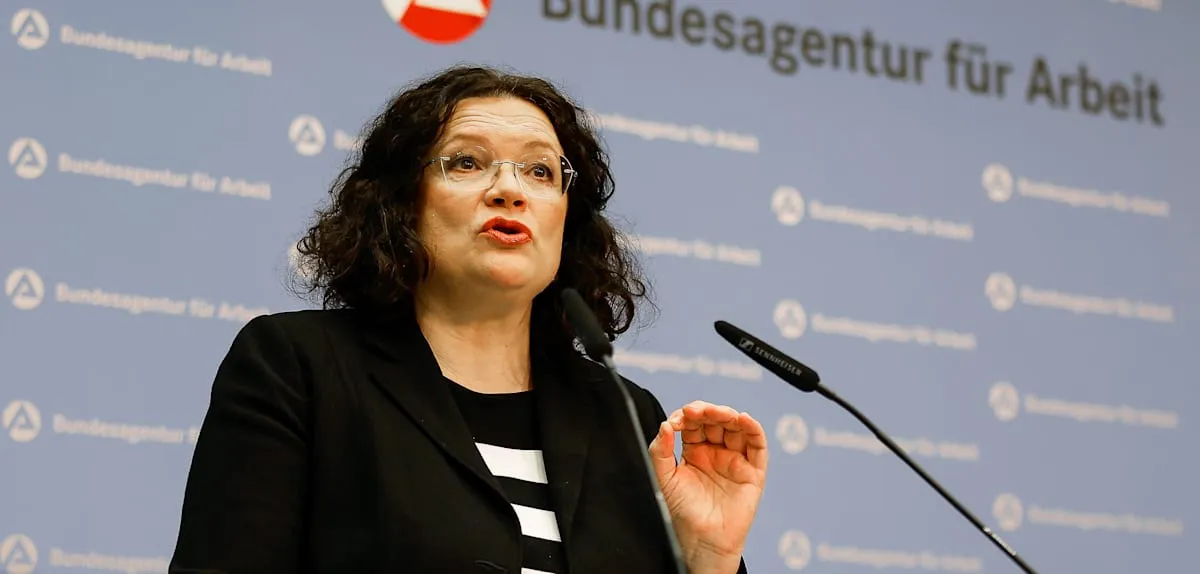
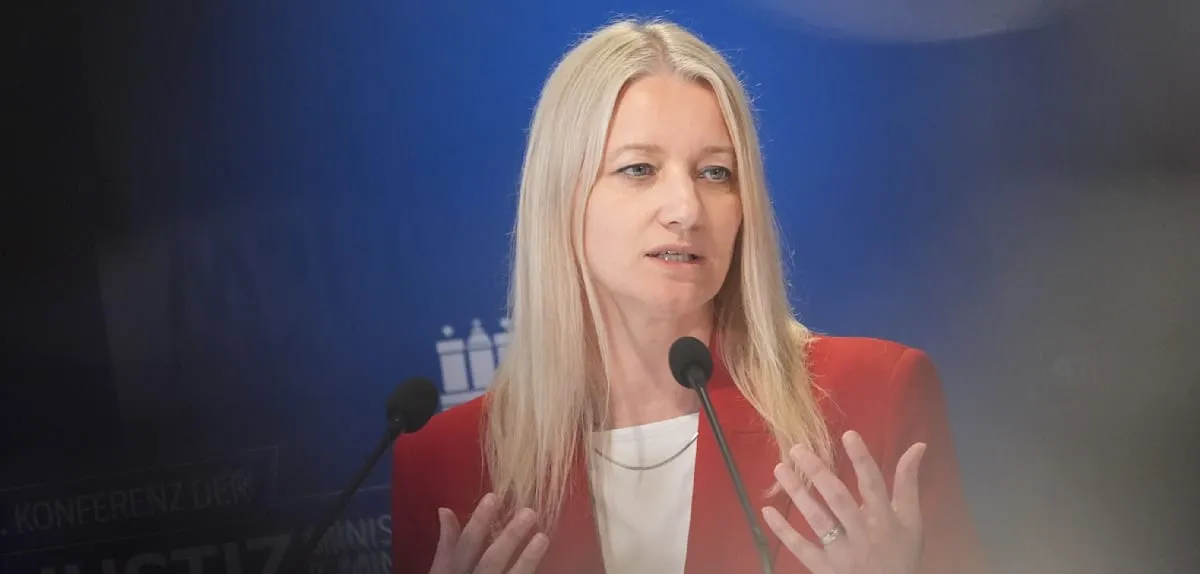
BERLIN – Andrea Nahles, Head of Germany's Federal Employment Agency, has sharply criticized the package of unemployment benefit reforms and pension cuts currently under intense discussion. In a statement that shook the political stage, Nahles warned that inconsistencies within the proposals could largely become an indirect 'funding program' for the far-right Alternative for Germany (AfD) party.
This criticism arises amid a fierce debate over the direction of Germany's social policy in 2026, particularly concerning the social safety net for citizens. Andrea Nahles, an experienced figure in the employment landscape, highlighted how several parts of these reform drafts are fundamentally out of sync with each other, creating loopholes that populist groups can exploit.
According to Nahles, one of the crucial points she takes issue with is the plan regarding the duration of unemployment benefits. Shortening the validity period of these benefits, combined with cuts to pension schemes, would place many citizens in a vulnerable position.
I consider this a funding program for the AfD, Nahles stated, referring to the potential social impact. She explained that if this policy is implemented, increased economic pressure on society could trigger widespread dissatisfaction, a condition often exploited by parties with extremist agendas to gain sympathy.
The AfD party itself is known for aggressively campaigning on anti-establishment sentiments and criticism of government policies. Public discontent with social reforms perceived as detrimental could easily translate into political support for the AfD, strengthening their position in parliament and public opinion.
This reaction places Germany's ruling coalition government in a dilemma. On one hand, they seek to balance the budget and respond to global economic challenges. On the other hand, they must maintain social stability and prevent further political fragmentation that could empower groups like the AfD.
Political analysts in Berlin are taking Nahles's warning seriously. They agree that social policy has a direct impact on a country's political stability. Any reforms that do not thoroughly consider their long-term consequences can create unpredictable social ripples.
This situation also highlights the complexity of formulating fair and sustainable public policies. Reforms aimed at budgetary efficiency, if not balanced with adequate social protection, can trigger societal polarization and deepen inequality.
Nahles's criticism is not just a warning but also a call to re-evaluate the philosophy behind these reforms. She emphasizes the importance of social cohesion as the primary foundation for national progress, which should not be sacrificed for purely financial considerations.
The discussion about the duration of unemployment benefits and pension cuts is not just about numbers in a budget book. It is about the fate of millions of citizens, their sense of security, and their trust in the governing system.
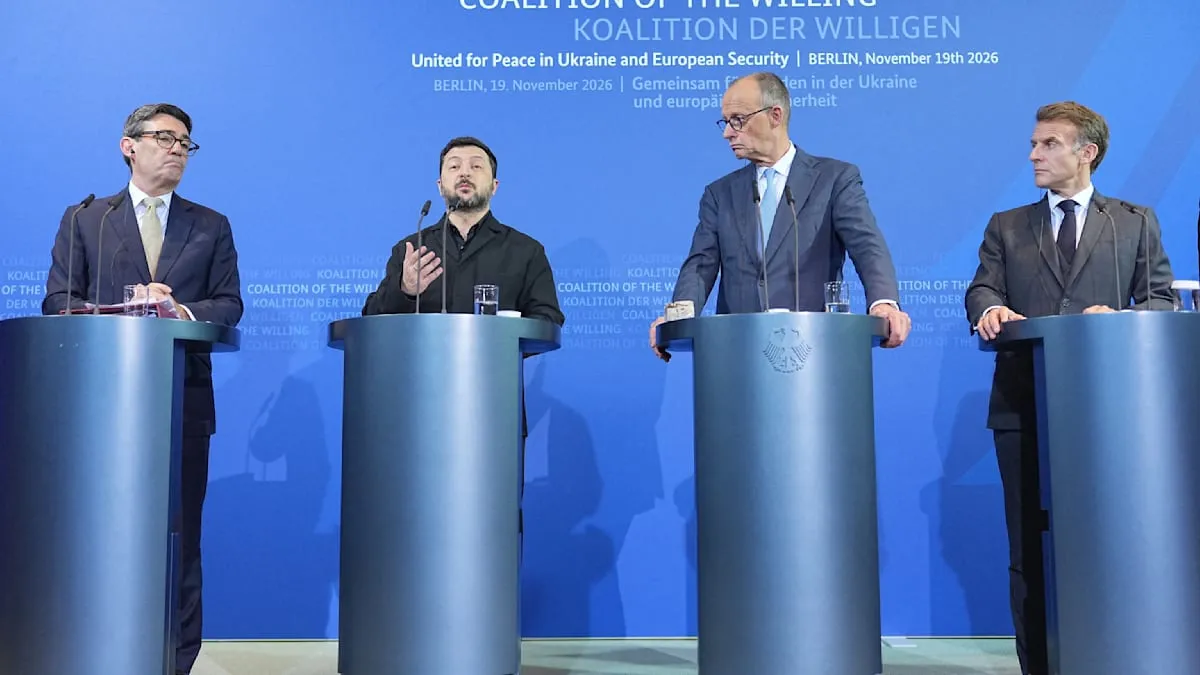
This discourse also serves as a reminder of increasingly complex global political dynamics, where waves of populism and extremism tend to gain strength when societies feel marginalized or unprotected by the state. Germany, as one of the pillars of the European Union, is not immune to this threat. This situation is also reflected in the consolidation of Ukraine's allies in Berlin, facing increasingly heated global geopolitical turmoil.
Given the importance of economic and social stability, the German government is expected to reconsider these reform proposals. Constructive dialogue with various stakeholders, including the Federal Employment Agency, is crucial to finding more holistic solutions and avoiding unintended political consequences.
Editorial Insight: Andrea Nahles's warning is not just an alarm, but a profound reflection on the potential dangers of misunderstood policies in a tense political environment. The long-term implications of ill-conceived unemployment and pension reforms can extend beyond mere economic figures, potentially fundamentally altering Germany's political landscape and providing a stronger foothold for the AfD. The government must formulate policies that are not only financially efficient but also socially robust, to maintain national unity and curb the rise of populism.