 Gabriella

VIENNA – Austria authorities have officially commenced the process of deporting migrants to Italy, a significant step affirming the implementation of the European Union's new migration pact. A total of four individuals have already been transferred to Italian territory as of June 12, 2026, under the recently enacted agreement designed to respond to the dynamics of refugee flows across the continent.
Vienna's decision is not without reason. The migration pact, which came into effect mid-June, is the result of lengthy negotiations among EU member states. It is crafted to establish a more efficient and unified mechanism for handling asylum seekers and distributing responsibilities. Essentially, this rule allows countries that are not the first point of entry for migrants to return them to the EU country they first set foot in.
The four repatriated migrants set an important precedent. They represent the initial group directly affected by this new policy. While specific details regarding their backgrounds or nationalities have not been publicly released, this action indicates Austria's seriousness in enforcing the updated migration regulations.
The response from Italy, as the receiving country, is expected to be varied. For many years, Italy has served as one of the primary gateways for migrants arriving in Europe, often bearing the massive burden of housing and processing asylum applications. This migrant return policy, though based on a joint pact, could pose logistical and social challenges amid already strained reception capacities.
In the broader EU context, this policy reignites the fierce debate surrounding solidarity among member states on migration issues. Frontline countries like Italy and Greece consistently call for a fairer distribution of the burden, while countries in northern and western Europe strive to control 'secondary movements' of migrants attempting to relocate after arriving in the EU.
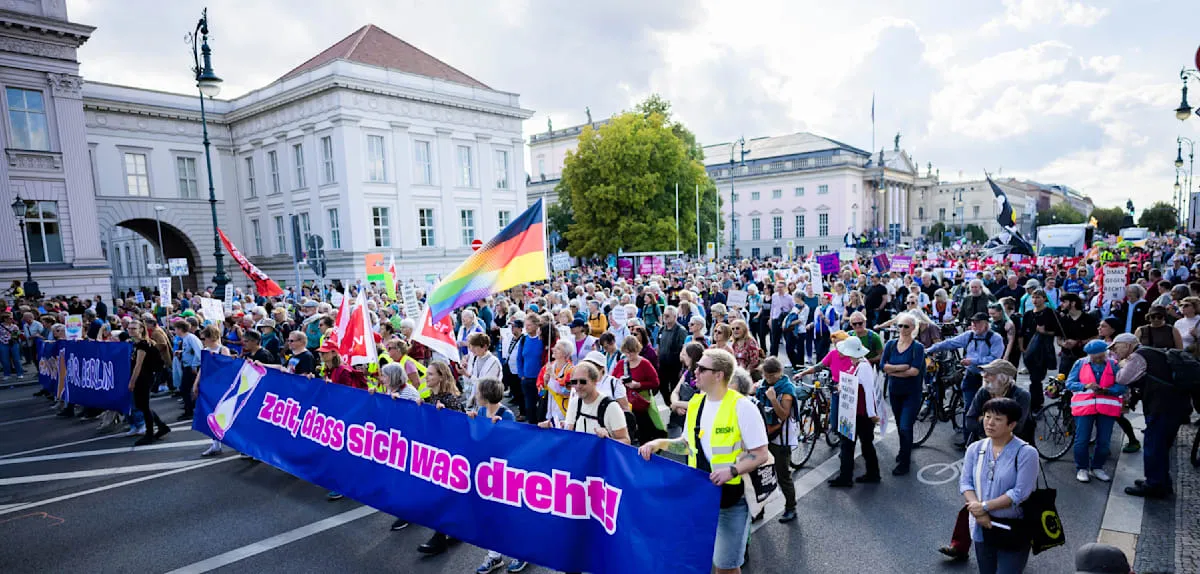
Similar situations are also occurring in other member states. In Germany, for example, a national migrant strike rocked Sachsen-Anhalt ahead of elections, highlighting social and political tensions related to this issue. Meanwhile, Spain has also built a giant tent city in Ceuta to accommodate thousands of refugees, demonstrating the scale of the challenges faced.
This new migration pact aims to address the loopholes in the Dublin Regulation framework, which has long been criticized for imposing responsibility on countries at the external borders of the European Union. With stricter rules on returns and relocations, Vienna and other nations hope to reduce incentives for migrants to move illegally within the EU.
However, the implementation of this pact has not been without criticism from human rights groups and humanitarian organizations. Concerns have arisen regarding fair return procedures, migrants' access to asylum rights, and the potential humanitarian impact on individuals transferred, especially if reception facilities in the destination country are inadequate.
Politically, Austria's move can be seen as a strong signal to domestic voters ahead of upcoming elections that the government is serious about controlling immigration. For Italy, this policy might place additional pressure on their infrastructure and resources, triggering new calls for more substantial EU support.
The Italian Prime Minister and the Austrian Chancellor are expected to further discuss the long-term implications of implementing this pact in upcoming bilateral or EU-level meetings. The focus will be on how this policy will affect migrant flows on the Mediterranean routes and its impact on regional political stability.
Editorial Insight:
Austria's decision to repatriate migrants to Italy marks a new phase in the European Union's response to the migration crisis. While this new pact aims to balance responsibilities, its application could trigger diplomatic tensions and humanitarian challenges. The success or failure of this pact will heavily depend on Italy's capacity to handle new arrivals and other member states' willingness to show genuine solidarity, rather than merely shifting the burden. The future of European asylum policy stands at a crossroads, balancing strict border control with the respect for human rights.