 Angel Doris
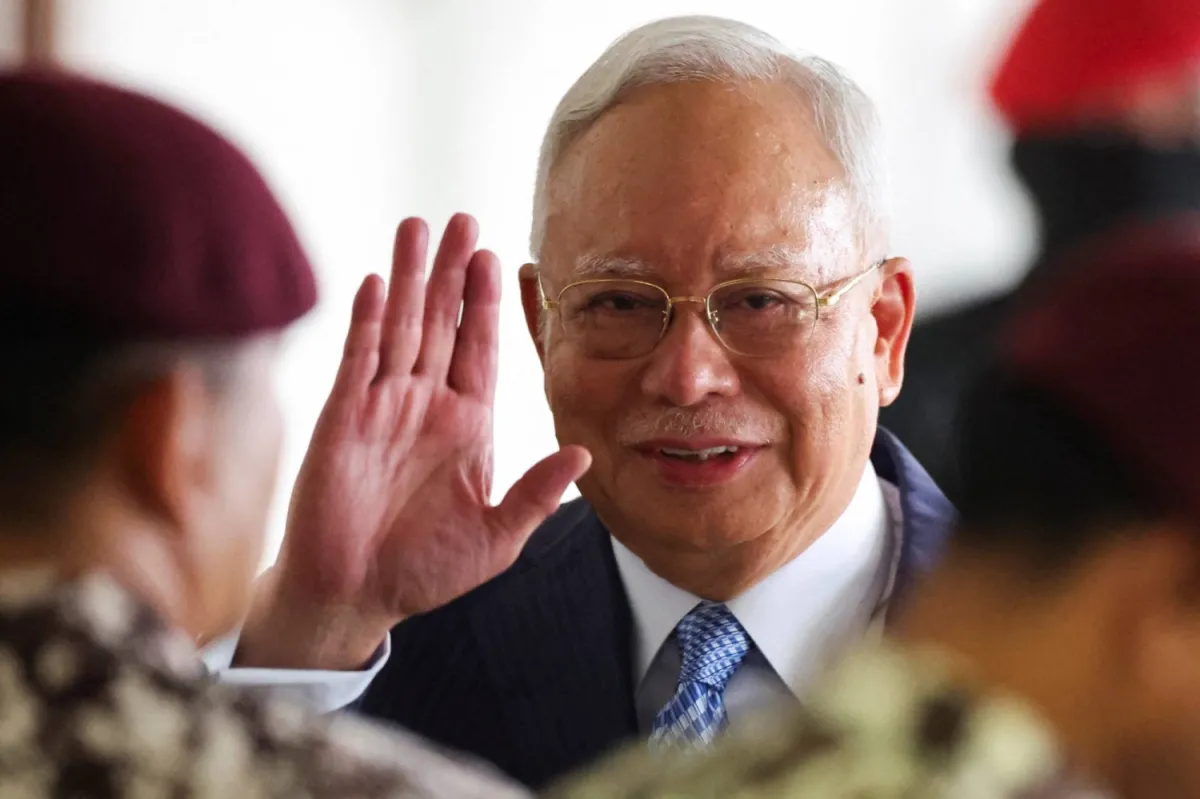
KUALA LUMPUR – Former Malaysian Prime Minister, Najib Razak, has reportedly paid the stipulated fine as part of the transition process for his detention status towards house arrest. This payment marks a crucial step after Sultan Ibrahim, the King of Malaysia, granted Najib a conditional pardon last September, a decision that has shaken the legal and political landscape of the neighboring country in 2026.
This move follows a court ruling that imposed both a prison sentence and a fine for the corruption cases he was embroiled in. With the payment of the fine, Najib has now fulfilled one of the important prerequisites to serve the remainder of his sentence under house surveillance, no longer behind bars.
The Malaysian public, as well as international observers, are closely scrutinizing this latest development. The policy of pardon and facilitated house arrest status for a figure of Najib's caliber has ignited a fierce debate about the standards of justice and the legal treatment of political elites.
The conditional pardon granted by His Majesty the Yang di-Pertuan Agong, Sultan Ibrahim, last September was the main key to the change in Najib's detention status. The decision reduced Najib's prison sentence and altered the fine amount, providing an opening for the former Prime Minister to transition to house arrest.
Najib's family and supporters joyfully welcomed the news of the fine payment, seeing it as a glimmer of hope. They affirmed that Najib is entitled to humane treatment, especially considering his health condition and age.
However, on the other hand, civil society groups and anti-corruption activists expressed deep concern. They worry that this pardon and the leniency of house arrest could undermine the credibility of Malaysia's judicial system in the eyes of the public and the world. A previous article titled Najib Razak Freed to House Arrest: Malaysia's Legal System Questioned in 2026 reflects similar anxieties.
House arrest, while still a form of punishment, is far less restrictive than imprisonment. Najib will have limited access to family and the outside world, but his freedom of movement will remain strictly confined to his residence.
The cases implicating Najib Razak stem from the 1MDB mega-corruption scandal, one of the world's largest financial scandals. This scandal involved billions of dollars of state funds allegedly misappropriated, triggering international investigations and damaging Malaysia's reputation.
Nevertheless, legal proceedings related to Najib continue with various dynamics. This fine payment represents the latest chapter in the long saga of law enforcement against Malaysia's former number one leader.
The Malaysian government itself has not yet issued an official statement regarding the details of the fine payment or the exact date for Najib's house arrest to begin. Further information is expected to clarify the procedures and implications of this decision.
The credibility of Malaysia's legal institutions is under intense scrutiny. Society demands transparency and accountability in every decision concerning high-profile cases such as this.
This decision also has the potential to influence Malaysia's internal political dynamics, especially leading up to upcoming general elections. The treatment of Najib could become a sensitive point played by various political factions.
Political observers note that this situation demonstrates the complexities of law and politics in Malaysia. The balance between justice, humanity, and national interest is at stake.
Editorial Insight:
This latest development in the Najib Razak case is more than just a matter of legal procedure. It reflects Malaysia's prolonged struggle with elite corruption and the pursuit of credible law enforcement. The pardon and house arrest status for a former head of state convicted of corruption will continue to be a hot topic, raising fundamental questions about the impartiality of the judicial system and society's expectations for equal justice for all citizens, regardless of status. Its impact on public trust in state institutions warrants close attention.