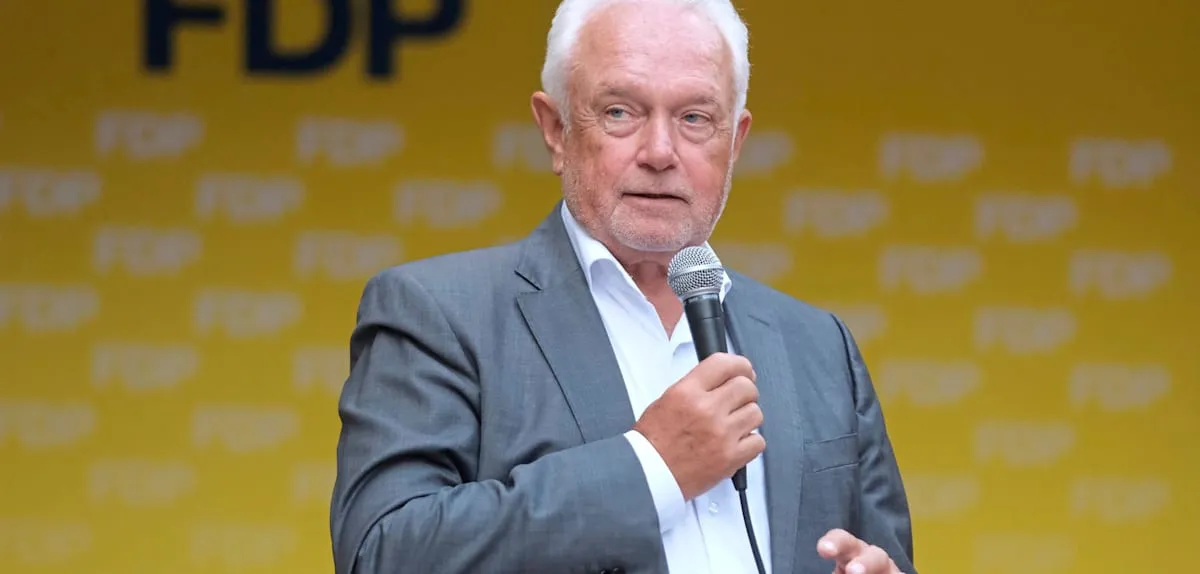
 Chandra Wijayanto
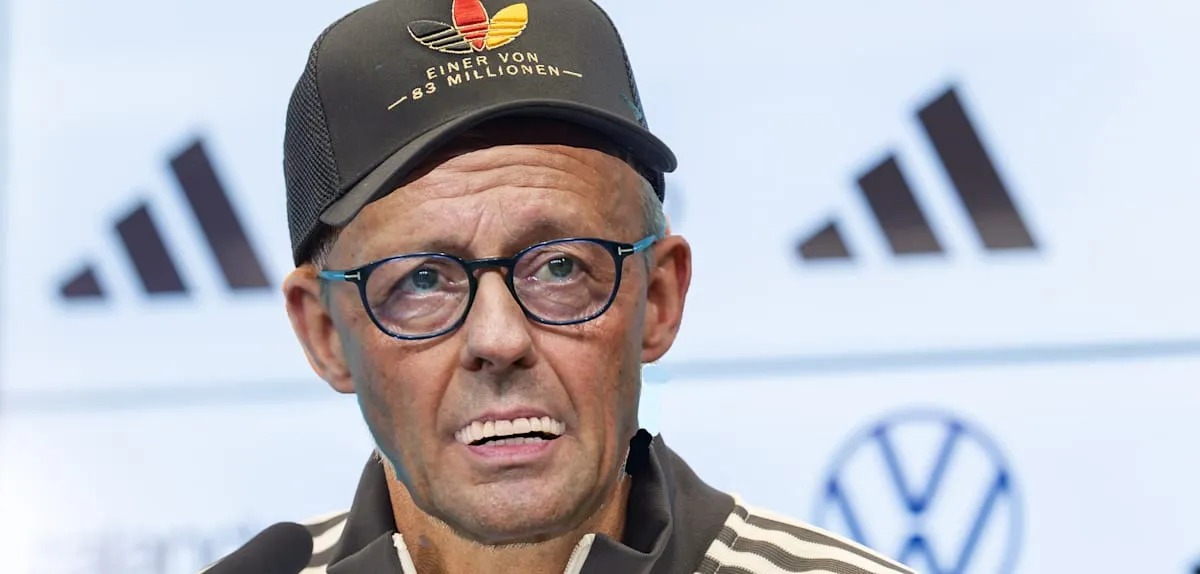
BERLIN — The surprising resignation of Jens Spahn from his leadership position has triggered a wave of turmoil within Germany's Christian Democratic Union (CDU), compelling Friedrich Merz, a central figure in the party, to finally take responsive action. Analysis from Axel Springer Global Reporter Paul Ronzheimer suggests Merz was “only awakened” by pressure from the party base, potentially leading to a cabinet or parliamentary leadership reshuffle in the near future.
The leadership crisis in Germany's Christian Democratic Union (CDU) intensified after Jens Spahn announced his resignation. This decision, widely considered a significant blow to internal stability, immediately caused unrest among party members, particularly at the grassroots level.
During the initial period of turmoil, many observed a lack of significant response or initiative from Friedrich Merz, a senior figure often cited as a strong candidate for strategic party positions. Merz's sluggishness fueled speculation regarding his strategy or even his insensitivity to internal dynamics.
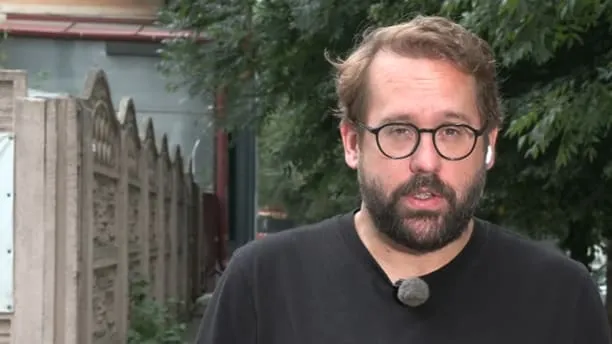
Paul Ronzheimer, a seasoned journalist from Axel Springer Global, highlighted this phenomenon. He suggested that Merz only truly showed movement after the "reaction from the party base" grew stronger and became unavoidable. This reaction was not merely a whisper but a wave of protest demanding clarity and concrete action from the leadership.
"Merz was only awakened by the reaction from the party base," Ronzheimer stated. This quote indicates that pressure from grassroots constituents was far more effective in eliciting a response from the party elite compared to media speculation or political rumors in parliament.
Spahn's resignation itself served as the primary catalyst. Although the specific reasons remain not entirely transparent, its political impact has been widely felt. The loss of a figure like Spahn, who commanded his own base of support, creates a void that needs immediate attention.
This situation, according to Ronzheimer, provides a strategic opening for Merz. "Merz will try to use this for himself and potentially restructure the cabinet," he added. This is not merely a change of seats but a potential broader overhaul of the power structure.
The issue of cabinet restructuring is highly sensitive given Germany's political constellation in 2026. Any reshuffle would undoubtedly have cascading implications for alliances, ministerial positions, and even the stability of the existing coalition government. CDU Urges Immediate Spahn Replacement, Averting Political Storm.
Merz's maneuver is expected to be a test of his political credibility in the eyes of the public and fellow politicians. His ability to manage this crisis while positioning himself for political gain will largely determine his future. Jens Spahn's Resignation: Daniel Peters Speaks Out, Political Credibility Tested.
German political observers are now closely watching the concrete steps Merz will take. Will he assume the parliamentary group leadership himself or push for another candidate aligned with his vision? This question remains a central focus.
Internal debates regarding Spahn's successor are likely to be fierce. Various factions within the CDU will endeavor to advance their own agendas and candidates, making this process a battleground of interests.
In the worst-case scenario, an inability to quickly agree on a replacement or an unpopular reshuffle could deepen internal divisions, weakening the CDU's position ahead of upcoming general elections.
Conversely, if Merz successfully navigates this process, he could solidify his position as a decisive and visionary leader, capable of reuniting a fragmented party front.
The wave of reaction from the party base serves as an important reminder to political elites of the power of grassroots voices. Policies and decisions made must always consider the aspirations and concerns of the voters.
The political situation in Germany remains dynamic, with the potential for significant changes in the leadership landscape. Public attention is now fixed on Friedrich Merz and how he will navigate this turbulence.