 Angela Stefani
MOSCOW – Geopolitical tensions in Europe have once again surged following a strong statement from Moscow openly accusing the North Atlantic Treaty Organization (NATO) of being a 'sore tooth' that endangers regional stability. This radical demand, calling for a complete overhaul of Europe's defense architecture, emerged after Ukrainian President Volodymyr Zelenskyy warned of a potential fundamental shift in the continent's security by the United States and Russia. The controversial statement reaffirms the Kremlin's position that without the Western defense alliance, security in Europe would likely be 'much greater.'
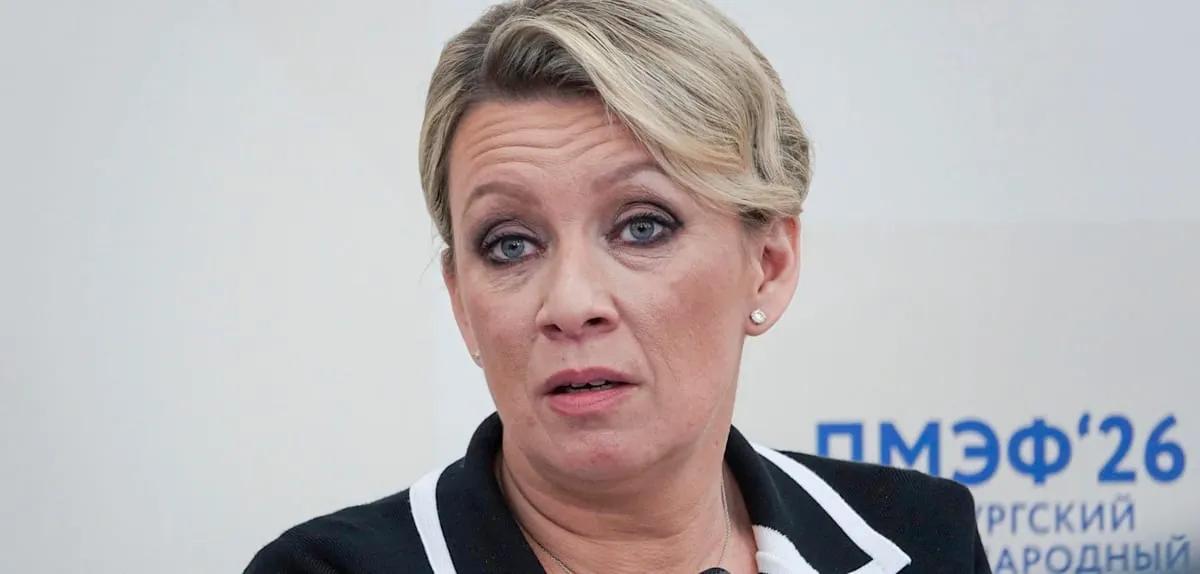
A spokesperson for the Russian Ministry of Foreign Affairs, during a press conference, made no secret of Moscow's frustration with NATO's existence and expansion. They asserted that the alliance's presence, instead of providing security guarantees, actually creates vulnerability and instability in the European region. The phrase 'sore tooth' was used to describe how bothersome NATO is to Russia's security interests.
Russia's statement comes a day after President Zelenskyy, in a globally televised address, voiced deep concerns about the intentions of the United States and Russia. According to Zelenskyy, these two major powers could potentially execute maneuvers that would drastically alter Europe's security order. This warning highlights the complex dynamics and ongoing struggle for influence in the region.
Moscow further asserted that NATO constitutes a direct threat to peace and stability in Europe. They argue that the military alliance's expansionist philosophy, along with the deployment of forces near Russia's borders, only fuels a spiral of escalation. 'Without NATO, security in Europe would probably be much greater,' a Moscow representative stated, a claim contrasting with the views of most alliance member states.
Russia's push to change Europe's defense architecture is not new. Years ago, Moscow consistently voiced similar demands, even specifically urging NATO to retreat to its pre-1997 positions. Russia Demands NATO Retreat to Pre-1997 Era: European Stability Threatened?, a move that would effectively limit the alliance's influence in Eastern Europe.
The implications of these Russian demands are highly significant for the future of European security. They raise serious questions about the sovereignty of NATO member states, especially those on the frontline, and the collective defense agreements that form the alliance's foundation.
The role of the United States in this dynamic also comes under sharp scrutiny. As NATO's de facto leader, every decision from Washington has a significant impact. There have been previous rumors and reports regarding the potential for the United States to urge Ukraine to cede territory for NATO membership, a scenario illustrating the complexity and diplomatic pressure faced by Ukraine.
The current stances of Russia and NATO reveal a diplomatic stalemate difficult to resolve. Each side views its position as key to stability, while the other is seen as a threat. These fundamental differences in perspective continue to hinder de-escalation efforts and confidence-building.
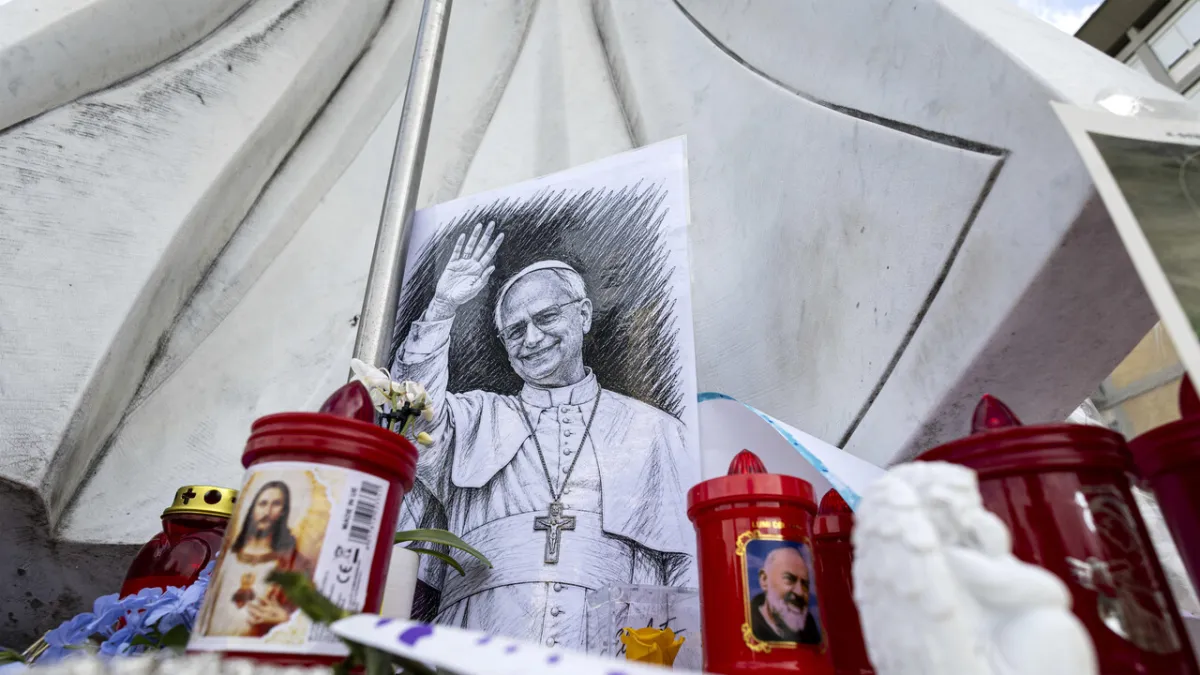
This situation must also be viewed within the broader context of global uncertainty, where Pope Leo XIV himself has urged the world to unite against various threats. Pope Leo XIV Urges World to Unite Against Global Uncertainty and Violence Threats, demonstrating the crucial importance of collective efforts in maintaining peace.
The future of Europe's security architecture appears set to remain characterized by a tug-of-war between Russia's ambitions and Western nations' commitment to NATO. The diplomatic hot potato now rests in the hands of global leaders to navigate this crisis without triggering a broader conflict.
Editorial Insight:
Moscow's view of NATO as a 'sore tooth' indicates a deepening chasm in security perceptions between Russia and the West. This demand for an overhaul of the European defense architecture is not merely rhetoric; it reflects Russia's desire to reassert its dominance in the region, while simultaneously weakening NATO's influence. The West's response to these demands will determine whether Europe moves towards a fragile de-escalation era or a more dangerous spiral of tensions. This is a test for multilateral diplomacy and the ability to find common ground amidst fundamental differences.