 Angela Stefani
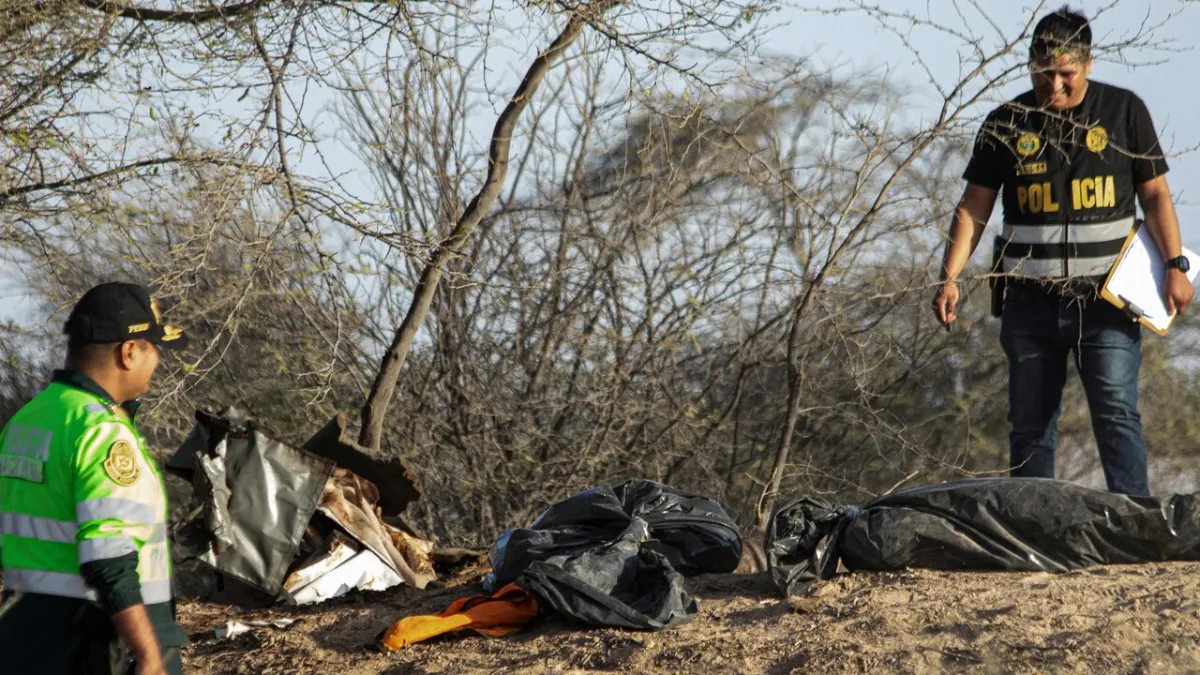
LIMA, Peru — Seven Italian tourists, including members of two families from the Lombardy region, were reportedly killed in a tragic tour plane crash over the ancient archaeological site of the Nazca Lines, Peru, in mid-2026. Peruvian civil aviation authorities strongly suspect that sudden strong wind gusts were the primary cause of the light aircraft's fall, prompting deep sorrow among the victims' families and triggering a comprehensive investigation.
The unfortunate incident occurred when the Cessna Grand Caravan aircraft was carrying a group of tourists to admire the spectacular prehistoric geoglyphs spanning the Nazca desert. Onlookers near the scene reported extreme turbulence shortly before the plane lost control and crashed.
Peruvian authorities immediately responded by deploying rescue and forensic teams to the remote location in Pampa de Jumana, near the city of Nazca. The body identification process was intense, confirmed by the Italian Ministry of Foreign Affairs, which has been in close communication with the victims' families.
"We have identified all seven victims. They were Italian citizens enjoying their holiday," stated the Italian Embassy in Lima. Further information revealed that the victims belonged to two extended families, leaving profound grief within their communities in Lombardy.
Preliminary investigations conducted by the Peruvian Air Accident Investigation Commission (CIAA) are focusing on extreme meteorological conditions as a key factor. Weather data indicated unexpected strong wind patterns in the region at the time of the incident.
Local aviation expert, Dr. Alejandro Vargas, commented, "Flights over Nazca are always challenging due to the topography and fluctuating micro-climatic conditions. Strong winds can create extreme lift and downforce, which are very dangerous for small aircraft."
This tragedy once again highlights the issue of flight safety for tours in the Nazca area, which is often a favorite destination for tourists. In recent years, several similar incidents have occurred, raising concerns about the operational safety standards of local airlines serving this route.
This case reminds the public of other incidents that occurred previously. For instance, in 2022, a similar accident also killed two German tourists and 11 others during a scenic flight over the Nazca Sky, as reported by Horror in Nazca Sky: 13 Dead, Two German Tourists Among Victims.
The Peruvian government, through the Ministry of Tourism and Foreign Trade, expressed deep concern over the incident. They pledged to conduct a thorough audit of all air tour operators in the Nazca region to ensure compliance with strict safety regulations.
Evacuation operations and the clearing of aircraft wreckage are still ongoing. Meanwhile, the aircraft's black box has been recovered and will be analyzed to uncover crucial flight data to complete the investigation.
The Italian Ambassador to Peru, Mario Rossi, conveyed his deepest condolences and affirmed the Italian government's full commitment to supporting the repatriation process for the remains and assisting the victims' families during this difficult time.
Tourism in the Nazca Lines, a UNESCO World Heritage Site, is a cornerstone of the local economy. However, a series of flight incidents have somewhat eroded tourist confidence.
The airline operating the ill-fated aircraft, although not specifically named by authorities, is expected to face legal action and severe sanctions if negligence in operations or maintenance is proven.
Experts also emphasized the importance of more intensive pilot training on navigation in extreme weather conditions, especially in areas with unique geographical characteristics like Nazca.
While the world awaits the final results of the investigation, this tragedy serves as a bitter reminder of the risks that sometimes accompany tourism adventures, and the critical importance of non-negotiable safety standards.
The Italian Ministry of Foreign Affairs has opened a crisis assistance channel for families seeking the latest information regarding the investigation process and the handling of the remains.