 Edward DP Situmorang
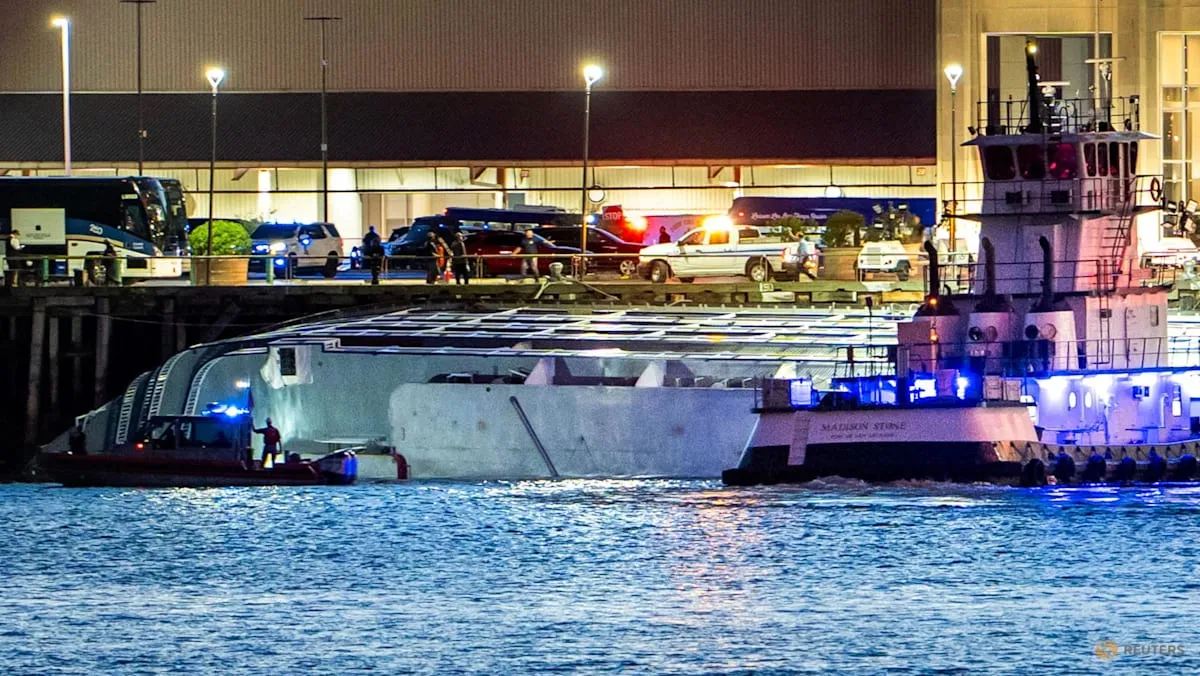
NEW ORLEANS – A serious maritime incident rocked the waters of the Mississippi River in New Orleans in early February 2026, when the giant tanker MV Atlantikus lost control due to a steering system malfunction. This unfortunate event triggered a massive collision with at least one cargo ship and the port dock, causing significant material damage and highlighting critical navigation safety issues. Local authorities immediately launched a comprehensive investigation to uncover the root cause.
The incident began when MV Atlantikus, a Panama-flagged tanker heavily laden with cargo, was maneuvering in a busy shipping lane near the Chalmette Alumina Terminal. Initial reports from the ship's crew indicated a sudden failure of the primary steering system, rendering the thousands of tons of vessel uncontrollable. Within minutes, the MV Atlantikus sailed uncontrollably, colliding with the anchored cargo ship MV Seaport, before finally crashing hard into the dock structure.
United States Coast Guard (USCG) officers and several rescue teams immediately rushed to the scene. Their primary focus was to evacuate injured crew members from both ships and assess potential environmental damage. Fortunately, there were no fatalities reported in this incident, although several crew members of the MV Seaport sustained minor injuries and were rushed to a nearby hospital.
The visual impact of the collision was striking. The hull of the MV Atlantikus suffered severe dents, while the bow of the MV Seaport was also significantly damaged. The port dock structure where the ships were berthed also sustained structural damage, which is expected to require significant time and cost for repairs. This incident immediately raised concerns about the safety of maritime infrastructure in one of the busiest ports in the United States.
The preliminary investigation, led by the USCG and the National Transportation Safety Board (NTSB), focused on analyzing the ship's black box (VDR – Voyage Data Recorder) and conducting a thorough technical examination of the MV Atlantikus's steering system. The focus is on understanding why this vital system failed, whether it was caused by maintenance negligence, a manufacturing defect, or other external factors.
Our top priority right now is to ensure there are no further threats and to initiate a thorough investigation, said Captain John Davies of the USCG in a press conference. We will examine every detail, from the ship's maintenance records to crew qualifications, to determine the exact cause of this incident and prevent its recurrence in the future.
This incident immediately reignited discussions about maritime safety regulations, especially for older or poorly maintained vessels navigating vital shipping lanes. Maritime transport experts called for a review of inspection and maintenance standards to ensure that all ships operating in United States waters meet the highest safety requirements.
In addition to physical damage, the incident also has the potential to disrupt global supply chains. The Port of New Orleans is a critical gateway for the export and import of various commodities. The partial closure of the dock and potential shipping delays will undoubtedly affect vessel schedules and trade activities.
Damage to the tanker also raised serious concerns about potential oil spills. Although initial reports stated no major leaks, emergency response teams were put on full alert to anticipate the worst-case scenario. The protection of the Mississippi River ecosystem and coastal areas is a primary concern if a fuel spill occurs.
The city government of New Orleans and port operators are coordinating to minimize the impact of operational disruptions. Contingency measures are being developed to divert vessel traffic and ensure the smooth flow of economic activity as much as possible. This tragedy serves as a bitter reminder of system fragility and the importance of thoroughness in the maritime sector.
Editorial Insight:
The ship collision incident in New Orleans goes beyond a mere technical accident; it reveals potential vulnerabilities in the global maritime navigation system. A steering failure on a tanker has the potential to trigger large-scale environmental and economic disasters. A thorough investigation must not only identify the immediate causes but also prompt regulatory reforms and investments in more advanced monitoring and maintenance technologies to prevent similar tragedies in the world's vital shipping lanes.