 Angela Stefani
New York — The metropolitan city of New York faces a serious threat from smoke pollution and an extreme heatwave ahead of the grand 2026 World Cup Final. This situation has prompted local authorities to issue urgent health warnings to residents and prepare mitigation measures to ensure public safety and the smooth running of an event anticipated by millions worldwide. This dual threat arises from widespread smoke from Canadian and Minnesota wildfires, exacerbated by a significant surge in temperatures.
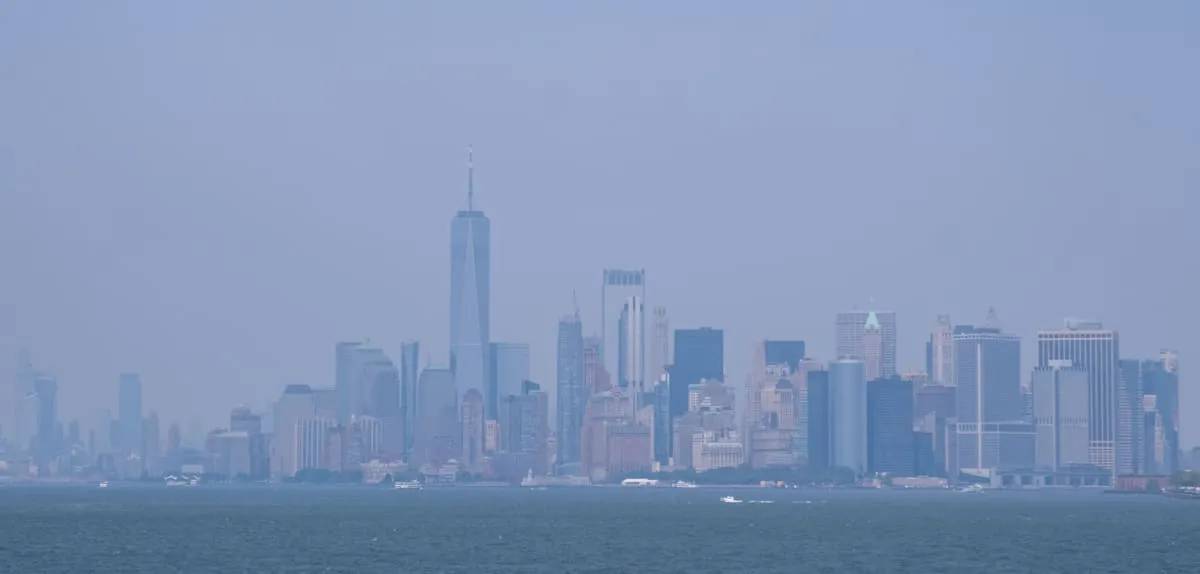
Air pollution, characterized by a thick haze, has enveloped New York's skies for the past few days. The smoke originates from wildfires raging across eastern Canada and several areas in Minnesota, subsequently carried by winds across borders and widely dispersed over the northeastern United States. This phenomenon has caused air quality in the city to drastically decline, reaching levels deemed unhealthy for sensitive groups and the general public alike.
Public health experts warn that prolonged exposure to smoke can trigger various respiratory problems, eye irritation, and worsen conditions for individuals suffering from asthma or heart disease. "Residents are advised to reduce outdoor activities, especially children, the elderly, and individuals with a history of respiratory illnesses," stated the New York City Department of Health, emphasizing the importance of vigilance.
Concurrently with the smoke threat, an extreme heatwave is also hitting New York City, adding complexity to the existing challenges. Temperatures are forecast to surpass historical averages for this period, potentially breaking records and creating extremely uncomfortable and dangerous conditions. The combination of hot air and pollution makes the environment even more oppressive, both for residents and visitors attending the final.
Significant temperature increases risk triggering cases of dehydration, heatstroke, and various other heat-related medical conditions. Hospitals and healthcare facilities are on standby to anticipate a surge in patients. Local authorities recommend adequate water intake, wearing light clothing, and identifying public cooling centers as self-protection measures.
In response to this emergency, the city government and relevant agencies have activated special protocols. The public is encouraged to utilize indoor air filters to minimize the ingress of smoke particles. Furthermore, the use of protective masks, particularly N95 or KN95, is a primary recommendation for those who must conduct activities outdoors.
Organizers of the 2026 World Cup Final in New York now face a significant dilemma. They must ensure the comfort and safety of tens of thousands of spectators, athletes, and staff who will flock to the stadium and surrounding areas. Schedule modifications or facility adjustments are being considered to reduce health risks. This situation poses a severe test for the city's commitment to hosting a world-class sporting event amidst an environmental crisis. Many football fans, eager to witness moments like Lautaro Martinez's emotional tears after leading Argentina to the final, certainly hope conditions improve soon.
The city government has deployed additional resources, including the placement of cooling stations and mobile health posts around event venues and crowded areas. Public education regarding the dangers of air pollution and heatwaves is also intensified through various information channels, ensuring this important message reaches all segments of society.
This event also sparks broader discussions about the impact of climate change on the planning and execution of future large-scale events. As extreme weather phenomena become more frequent, host cities are required to develop more adaptive and sustainable mitigation strategies, not just in New York but globally. The excitement leading up to the final match between England and Argentina must not be overshadowed by environmental health concerns.
Despite all the challenges, New York is determined to deliver an unforgettable 2026 World Cup Final. Collaborative efforts among the government, organizers, and the community are paramount to overcoming the environmental crisis, while also demonstrating the resilience of this iconic city in the face of extreme weather threats. Vigilance and adaptation are imperative for the success of the world's biggest sporting spectacle.