 Angel Doris
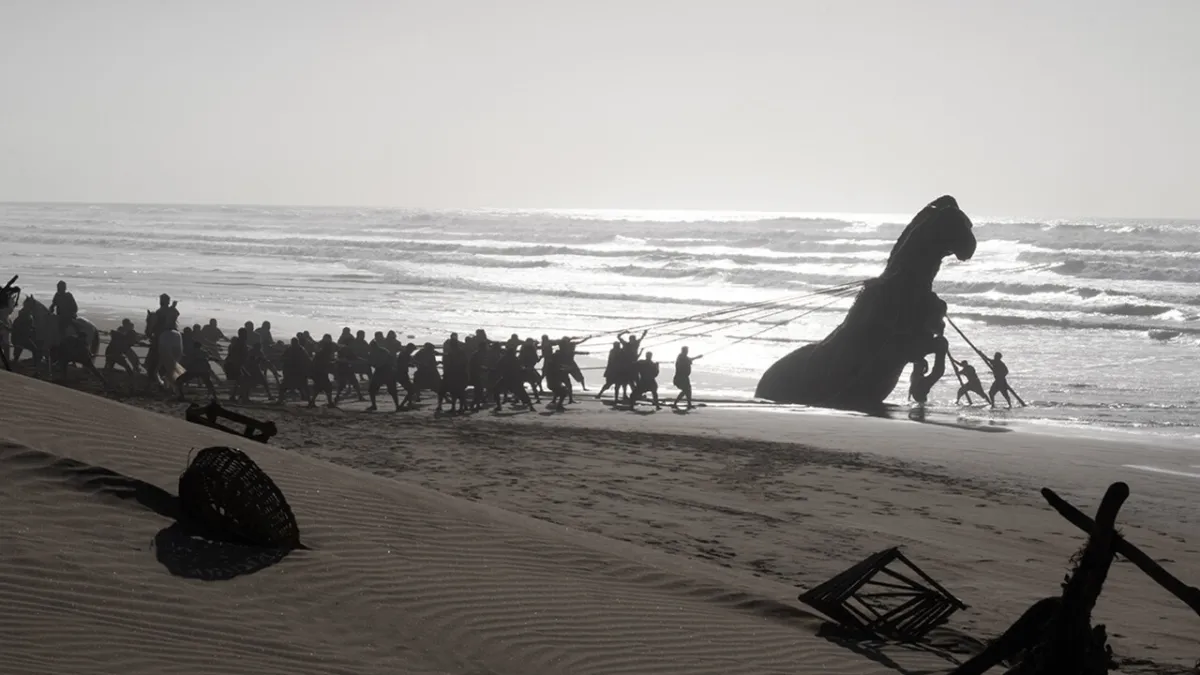
JAKARTA — Visionary director Christopher Nolan's latest film has surprisingly reignited enthusiasm for the classic epic, Homer's Odyssey, captivating a new generation of readers and viewers worldwide in 2026. This phenomenon has not only filled cinema seats but also spurred deep discussions about common misconceptions surrounding our understanding of one of Western civilization's oldest literary masterpieces.
The groundbreaking film release served as an unexpected catalyst. Homer's works, often previously considered the exclusive domain of academics and classical studies, are now finding fresh audiences. Thousands of print and digital editions of the Odyssey are selling rapidly, indicating a significant shift in popular cultural interest.
Dr. Renata Wijaya, a classical literature expert from the University of Indonesia, states that Nolan's genius lies in his ability to translate the complexities of ancient narratives into a relevant visual language. “This film is not merely a literal adaptation; it's an interpretation that respects the original source while offering a contemporary perspective,” Dr. Renata remarked.
The impact of this "Odyssey Effect" is felt across various educational platforms. Many schools and universities are reporting a significant increase in enrollment for classical literature courses, especially those related to Homer and Greek mythology. Educators welcome this wave of enthusiasm as a golden opportunity.
One of the common errors frequently debated is the misconception that Homer was the sole author of the Odyssey and the Iliad. Modern studies, now widely accessible thanks to Nolan's film, suggest that these epic works were most likely a compilation of a long oral tradition, assembled and refined by several poets over centuries.
Another prevalent misconception is an overly literal understanding of the characters and events within the epic. Many new readers tend to view Odysseus's adventures as purely historical accounts, when in fact, they are rich with deep metaphors and allegories about the human condition, morality, and destiny.
Film and literary critics highlight how Nolan, through his cinematic approach, successfully clarified the philosophical and psychological dimensions within the Odyssey, which might have previously been overlooked by general audiences. This encourages viewers not just to enjoy the story but also to ponder its deeper meanings.
This wave of interest has also triggered the emergence of various online articles and educational content that actively discuss and correct myths and misunderstandings about Homer and his works. Digital discussion forums are filled with constructive debates between new fans and classical scholars.
Amidst this buzz, publishers are releasing new editions of the Odyssey with more modern annotations, comprehensive glossaries, and introductory essays discussing historical context and contemporary interpretations. These efforts aim to bridge the gap between ancient texts and 21st-century readers.
The domino effect of Nolan's film proves that timeless classical works possess a universal allure that transcends eras. It reaffirms the relevance of ancient stories in shaping our understanding of the world and ourselves.
This success also opens doors for other filmmakers to re-explore the rich tapestry of ancient mythology and literature, using a modern lens to uncover hidden gems that might have long been overlooked by mainstream entertainment.