 Robert Andrison
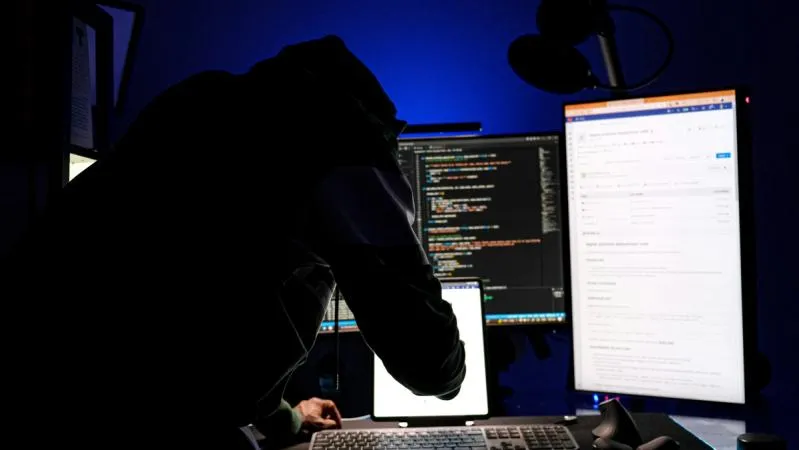
WASHINGTON – The North Korean hacking group, TraderTraitor, once again drew global attention in 2026 after being identified as continuing to launder funds stolen from the colossal crypto platform Binance. This action, executed via the decentralized protocol THORChain, surprisingly triggered a 10% surge in the price of the RUNE token, simultaneously exposing serious vulnerabilities within the digital asset ecosystem.
This incident marks a subsequent phase in TraderTraitor's efforts to obscure the trail of their illicit gains. Previously, the group, strongly suspected of being affiliated with the Pyongyang regime, had converted digital assets from the Tron network. Now, their modus operandi has shifted; they are channeling stolen ether through THORChain, then swapping it for bitcoin in a more sophisticated laundering attempt.
Cyber intelligence sources report that these transactions are part of a broader strategy to fund North Korea's prohibited programs. The choice of THORChain, a cross-chain liquidity protocol that enables the exchange of digital assets between networks without a centralized intermediary, demonstrates the perpetrators' sophistication in exploiting decentralized loopholes.
The 10% surge in THORChain's RUNE token followed suspicious transaction volumes flowing through its network. Crypto market analysts believe that this increased activity, although illegal, temporarily boosted demand for the platform's utility token, thereby driving its price upwards.
Binance hacks are not unprecedented. Binance remained resilient after a fantastic $6.3 billion hack previously, but these recurring incidents underscore the ongoing challenges in safeguarding user funds on the world's largest crypto exchange platform.
The United States government, under President Donald Trump, along with its allies, has long monitored North Korean cyber activities, which are considered a serious threat to global financial stability. Groups like TraderTraitor are believed to be vital instruments for the Pyongyang regime to circumvent international economic sanctions.
The use of THORChain as a money laundering bridge presents a new dilemma for regulators. Its decentralized nature poses significant obstacles for law enforcement in tracing and freezing assets. This also fuels debate about the extent to which DeFi platforms should be held accountable for illegal activities occurring on their networks.
\We continue to monitor every movement of stolen assets,\ stated an unnamed official from the US Treasury Department, emphasizing their commitment to combating terrorism financing and money laundering through digital assets. \International collaboration is key to fighting these cross-border criminal networks.\
This incident could also impact investor sentiment in the broader crypto market, especially given the context of a plunging crypto market in 2026 due to political volatility and other major hacks. Trust in security is a crucial factor for the mass adoption of digital assets.
North Korea's aggressive actions in cybercrime also have broader geopolitical implications. Pyongyang often employs provocative tactics, including cyber operations, to negotiate its position on the international stage and demand the repeal of policies deemed hostile.
Although THORChain is designed to provide privacy and autonomy to its users, this case highlights how such features can be abused by malicious actors. The developer community and regulators are now under pressure to find a balance between decentralized innovation and the need to prevent financial crime.
Cybersecurity experts suggest enhancing anomaly detection protocols on DeFi platforms, as well as closer collaboration between crypto service providers and global law enforcement agencies. Without proactive measures, the threat from groups like TraderTraitor will continue to loom over the future of digital finance.
Editorial Insight: The TraderTraitor money laundering incident via THORChain is a stark reminder that innovation in the digital asset sector must be accompanied by enhanced security and adaptive regulation. The paradoxical surge in RUNE's price highlights the demand for decentralized utility, but also exposes the platform's appeal to illegal activities. The main challenge lies in developing systems that can distinguish legitimate use from illicit practices without sacrificing the principle of decentralization that is the cornerstone of this technology, a crucial task for global economic stability in the coming years.