 Chris Robert
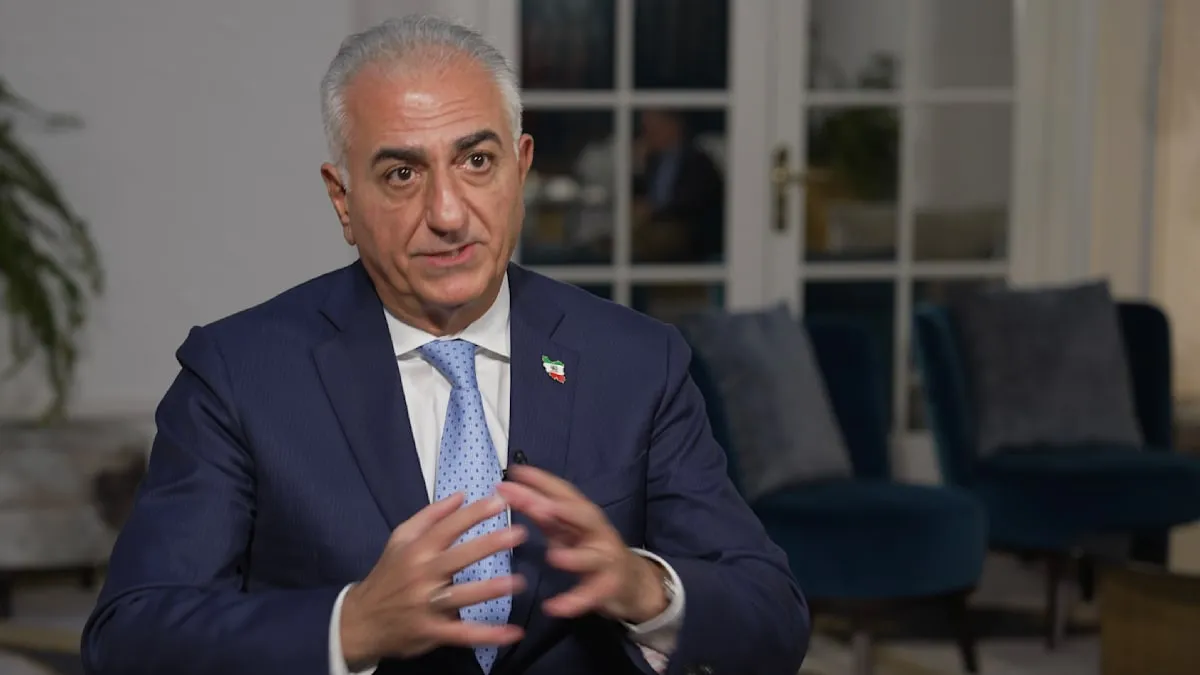
FRANKFURT – Pahlavi, a prominent Iranian opposition figure representing his people's aspirations, recently declared that military strikes are a strategic option to weaken the Tehran regime's apparatus of oppression. This provocative statement was made by Pahlavi while accepting the prestigious Freedom Prize in Frankfurt, Germany, and further elaborated during an exclusive interview with Daniel-Dylan Bohmer, WELT's Foreign Policy Editor in 2026.
The Freedom Prize awarded to Pahlavi in Germany is not merely a personal accolade but a symbol of international recognition for the Iranian people's prolonged struggle against oppression. This moment provides a significant platform for the opposition to voice their perspectives on the global stage, highlighting human rights conditions and demands for change within Iran.
In the in-depth interview with WELT, Pahlavi unequivocally outlined his vision on how the ruling regime in Tehran could be challenged. Military strikes are an option for us to weaken the regime's apparatus of oppression, Pahlavi stated, a declaration poised to shake public opinion.
This statement underscores the deep frustration of the opposition movement, which has fought for years through political and civil channels, yet feels it has achieved little substantial progress. They view military force as a potential lever that could fundamentally alter the dynamics of power.
The apparatus of oppression Pahlavi referred to encompasses the entire structure of the Iranian government, military, and security agencies used to silence dissent, suppress demonstrations, and restrict civil liberties. Thousands of activists and civilians have fallen victim to detention, torture, and executions.
This move also raises critical questions about whom us refers to in Pahlavi's statement. Does it denote Iranian opposition groups in exile, or is it a hint of support from international powers willing to take military action against Tehran? The geopolitical context of 2026 is crucial in interpreting the spectrum of these possibilities.
The international community has long been divided in its approach to Iran, with some nations advocating economic sanctions and diplomacy, while others lean towards harsher pressure. Pahlavi's statement could reignite debates on the effectiveness of these various approaches, especially if military options are seriously considered.
While Pahlavi represents aspirations for reform, the suggestion of military strikes remains a radical step that could potentially escalate regional conflict. The Middle East, already volatile with various tensions, would undoubtedly experience significant repercussions if this option were to be realized.
Nevertheless, Pahlavi's full interview with WELT's Foreign Policy Editor Daniel-Dylan Bohmer will serve as a crucial reference for analysts and policymakers. The exclusive recording of the interview is expected to provide a more comprehensive understanding of the strategies and hopes of the Iranian opposition movement in 2026.
The Iranian government itself has not yet issued an official response to Pahlavi's statement. However, history indicates that Tehran tends to react strongly to any threats to its sovereignty, both internal and external, viewing them as foreign interference.
Editorial Insight: Pahlavi's statement regarding a military option clearly indicates the Iranian opposition's desperation in finding a peaceful resolution to the political deadlock. While this rhetoric raises concerns about escalation, it also serves as significant moral and political pressure against the Tehran regime, simultaneously seeking stronger attention and support from the international community amidst global tensions in 2026. The feasibility and real impact of these military strikes will heavily depend on the response of global powers and the internal solidarity of the opposition.