 Angel Doris
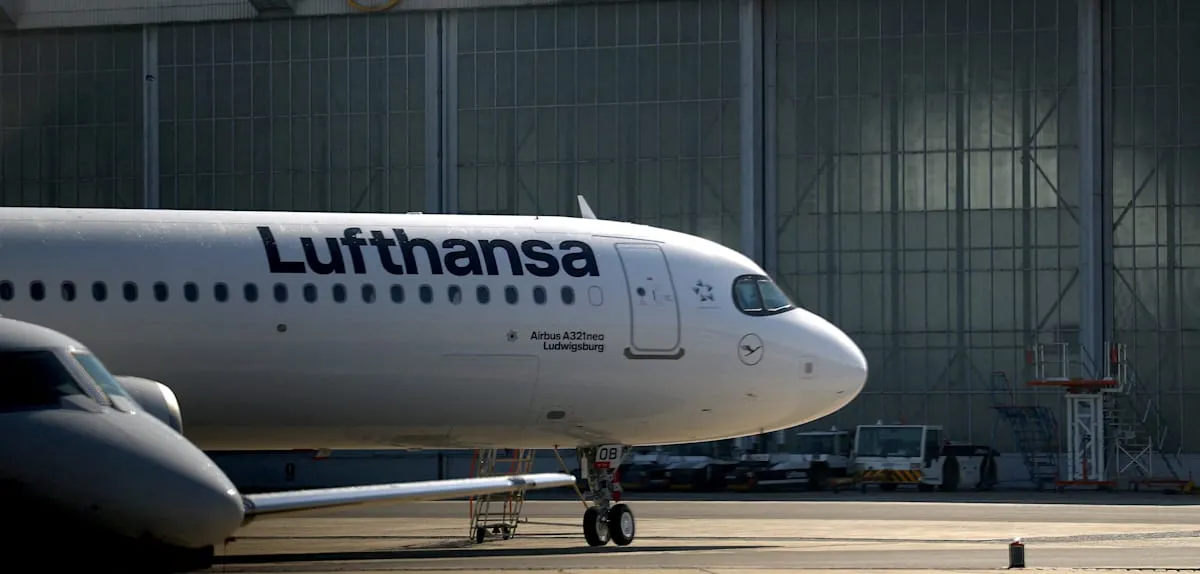
FRANKFURT — German airline giant Lufthansa recorded a significant decline in operating profit in 2026, despite high sales volumes and continued public desire to travel. This plunge in profitability was caused by two main factors: soaring kerosene costs as a direct result of the conflict in Iran, and a series of strikes that crippled operations in the spring.
This decline surprised many, given that the global tourism and air travel sector has shown stable recovery and growth. However, geopolitical turmoil and labor dynamics have proven to be unexpected challenges for the financial performance of one of Europe's largest airlines.
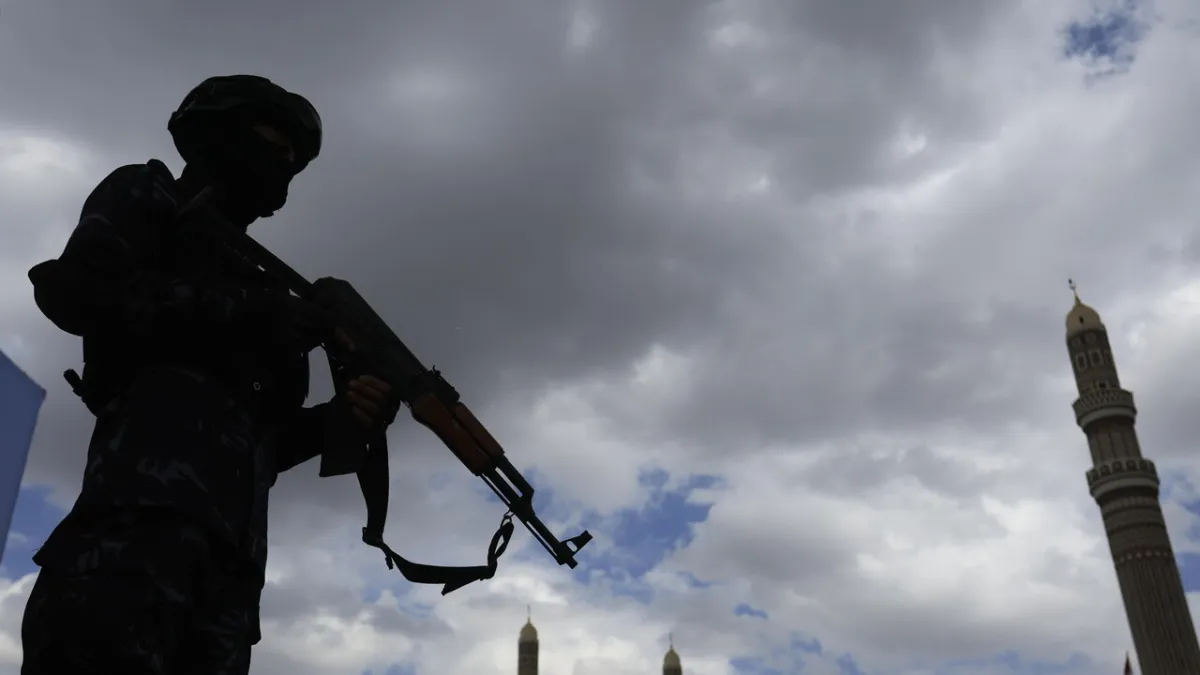
Jet fuel, or kerosene, has experienced a drastic surge in costs in recent months. Market analysts indicate that escalating tensions in the Middle East, particularly the conflict in Iran, have triggered volatility in global oil prices. Lufthansa, as an operator with a global reach, is highly susceptible to fluctuations in the price of this strategic commodity.
The ongoing conflict in Iran has disrupted global energy supply chains and created uncertainty that significantly impacts fuel prices. This situation is compounded by a deadlock in crucial negotiations in the Strait of Hormuz, a vital route for oil shipments.
In addition to external pressures, Lufthansa also had to contend with internal issues in the form of large-scale strikes. Aviation sector unions launched strikes demanding wage increases and better working conditions, especially in the spring of 2026.
These strikes resulted in the cancellation of thousands of flights, massive schedule delays, and substantial revenue losses. The impact of these operational disruptions was directly felt on the company's financial balance sheet, wiping out a significant portion of profits from increased passenger volume.
Lufthansa management stated that they have made every effort to mitigate the impact of these two crises. However, the scale and complexity of the challenges require long-term solutions and cooperation from various parties.
\"Although record sales indicate that the public's desire to travel never wanes, we cannot ignore the immense pressure from operational costs and internal disruptions,\" said a Lufthansa spokesperson in an official statement. \"The geopolitical situation and global labor demands indeed present significant constraints.\"
The aviation industry as a whole is closely monitoring these developments. Lufthansa's performance often serves as a barometer for the health of the sector, and its decline could be an indication of broader pressures that other airlines might experience.
Economic experts predict that airlines will find it increasingly difficult to forecast operational costs amidst an unpredictable geopolitical dynamic. Diversification of fuel sources and more proactive negotiations with labor unions will be key to business sustainability in the future.
Lufthansa now faces the arduous task of balancing the financial demands of shareholders with employee welfare, while maintaining competitiveness in a challenging market. How this air giant will navigate this dual storm will be a major industry focus for the remainder of 2026. Innovative solutions and operational efficiency are absolutely necessary to maintain sustainable growth amidst increasingly complex challenges. Strategic steps will be announced shortly to address global economic pressures and maintain market position.
The airline is expected to announce a series of restructuring and efficiency measures in the near future. Analysts believe that without decisive action, Lufthansa's net profit will remain under pressure, even with a strong market share.