 Stefani Rindus
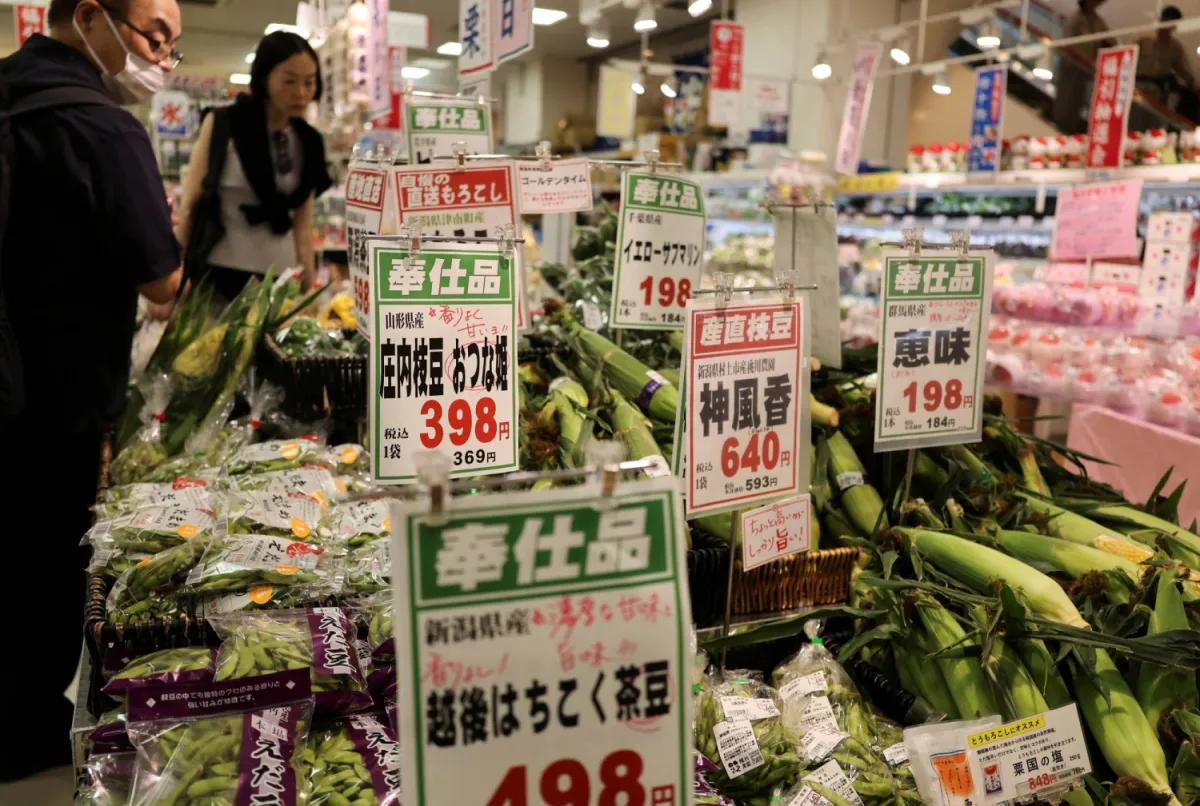
TOKYO – The food tax cut policy launched by the Japanese government in 2026, with the aim of boosting domestic consumption, is encountering an unexpected reality. A recent survey reveals that 25.7 percent of Japanese citizens plan to use the benefits from the tax reduction for savings, rather than increasing their spending. This finding raises significant questions about the effectiveness of fiscal stimulus measures amidst global economic turmoil.
The survey results, from an unnamed but widely recognized credible institution, also indicate that nearly half of the respondents, precisely 49.7 percent, stated they would not change their spending plans. This figure clearly suggests that this fiscal stimulus has failed to stimulate a significant increase in purchasing power, which is the primary goal of any tax cut initiative.
The Japanese government implemented the food tax cut as part of a broader strategy to combat prolonged deflation and encourage sluggish economic growth. Great hopes were placed that the extra funds in consumers' hands would be channeled back into the market, turning the wheels of the economy. However, the public's response reflects deep caution.
High savings behavior amidst tax stimuli is a strong signal of economic uncertainty, said Dr. Kenji Tanaka, a leading economist from Keio University. Japanese people tend to prioritize long-term financial security, especially when there are concerns about future inflation and job stability. This indicates that consumer confidence in the economic outlook has not fully recovered.
Further survey data detailed that only a small portion of citizens actually intend to increase their spending substantially. The majority appear to choose to secure personal finances or maintain existing consumption patterns, regardless of the incentives offered by the government.
This condition not only affects the retail and service sectors that expect a surge in demand, but can also influence national economic growth projections. If fiscal stimulus does not translate into increased spending, its impact on Japan's Gross Domestic Product (GDP) will be minimal, and potentially stagnant.
The government needs to review its approach, Tanaka added. Perhaps more targeted incentives or measures to increase long-term confidence in economic stability would be more effective than just general tax cuts. Consumers need certainty, not just temporary extra money.
Similar phenomena are also seen in several other countries facing economic challenges in 2026. For example, in Europe, Economic Shakeup 2026: Italy's Vulnerable Consumer Gas Bills Soar 9% shows that pressure on living costs often leads people to prioritize savings over impulsive spending.
Japanese Prime Minister Fumio Kishida previously expressed optimism that fiscal measures would drive post-pandemic economic recovery and address inflation challenges. However, these survey findings serve as an early warning that public response may not align with government expectations.
The long-term implications of this savings trend could be serious. If people do not spend, companies struggle to increase revenue, which in turn can hinder investment and job creation. This creates a vicious cycle that is difficult to break in the effort to achieve sustainable economic growth.
Editorial Insight:
This phenomenon illustrates the complexity of consumer responses to economic policies. Instead of labeling this stimulus as a failure, it is important to understand that the Japanese public, like many other developed nations, has gone through a long period of uncertainty. The tendency to save is a manifestation of the need for future financial resilience, not a rejection of the stimulus itself. The government may need to complement fiscal incentives with policies that directly address consumer concerns, such as job security or welfare support programs, to truly activate the desired consumption cycle.