 Debby Wijaya
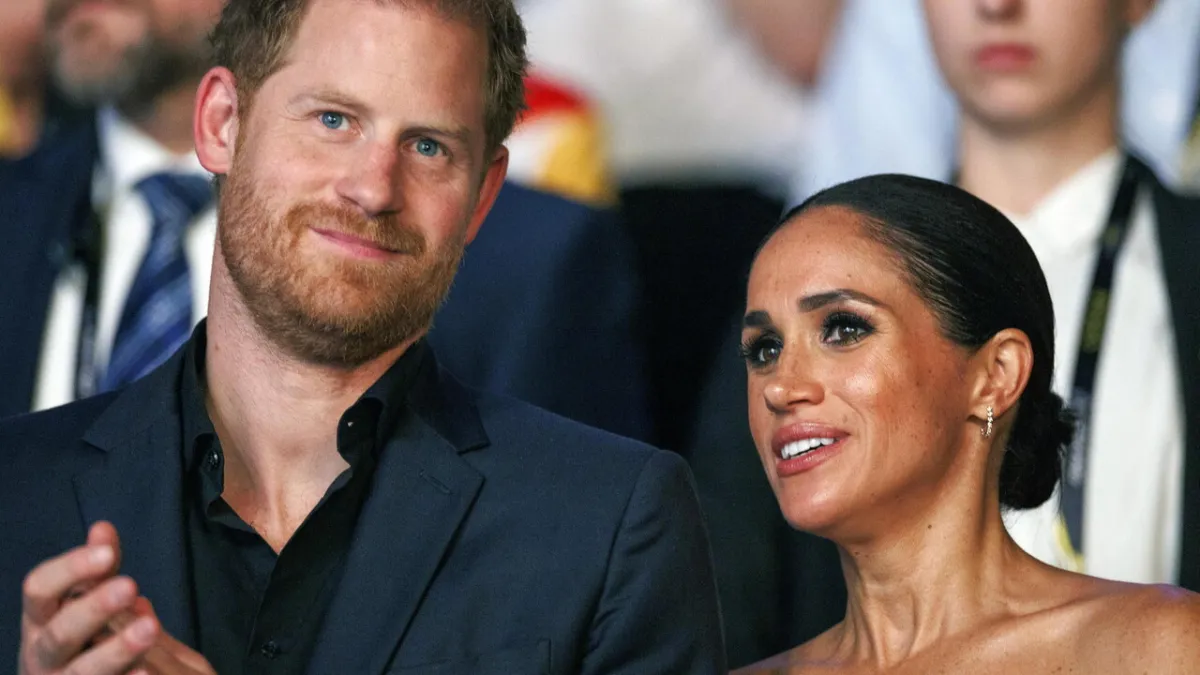
LONDON – The British Royal Palace has issued a firm statement regarding the status of Prince Harry and Meghan Markle, the Duke and Duchess of Sussex. An official letter on behalf of King Charles III clarifies that the couple retains their private citizen status, despite speculation about a potential change following their return to London. This reaffirmation effectively freezes any assumptions about their re-establishment into active royal roles, at least for now.
The clarification released by the palace comes amid a flurry of reports concerning Prince Harry and Meghan's activities. Speculation about their return to work or full reinstatement of royal status has been a hot topic across various media outlets and among royal observers. However, the palace appears determined to maintain a clear distinction between working members of the Royal Family and those who have chosen an independent path.
Since their surprising decision to step down as senior working royals in early 2020—a move dubbed Megxit—Prince Harry and Meghan have officially lost most of their privileges and honorary titles, including the style of His/Her Royal Highness. This decision was made to allow them to achieve financial independence and pursue a life outside the intense royal spotlight.
The latest letter from King Charles III reiterates that a physical return to London, if it were to become permanent, would not automatically restore them to official royal duties. This reaffirmation indicates a consistent palace policy that is not easily swayed by public sentiment or media coverage.
A source close to the palace, who preferred to remain anonymous, revealed that The decision made years ago was very clear. The King adheres to the principle that commitment is key, and once a decision is made to be independent, the consequences must be understood. This quote, though not directly from the official letter, reflects the thinking behind the palace's policy.
Prince Harry and Meghan's presence outside the monarchy's core circle has created a new dynamic. They have established the Archewell Foundation, produced content for giant digital platforms, and engaged in various social advocacies. These steps demonstrate their commitment to the path of independence they chose.
Nevertheless, family ties remain. Prince Harry is still in the line of succession to the British throne, and his children, Prince Archie and Princess Lilibet, are also included in that line. This raises questions about how the palace will balance their status as members of the Royal Family with their roles as private citizens in the eyes of the public and the law.
The public and media often debate whether King Charles III's decision is a further cooling of relations with his youngest son, or an effort to provide clarity and stability within a constantly adapting monarchical structure. Diverse perspectives emerge, ranging from support for the palace, seen as upholding tradition, to sympathy for Harry and Meghan.
Professor of Monarchy History at Oxford University, Dr. Eleanor Vance, highlighted the importance of this letter. The clarification from the palace is an attempt to control the narrative. With Prince Harry and Meghan now frequently in London, it is crucial for the Monarchy not to let confusion over their status create false expectations in the public eye, said Dr. Vance.
This decision is also relevant to financial matters. As private citizens, Prince Harry and Meghan are not entitled to taxpayer funds allocated for royal duties. They are now fully responsible for their security and lifestyle costs, a transition that has been a point of contention since the initial Megxit.
The long-term impact of this status affirmation will continue to be observed. Will it further solidify their position as independent global public figures, or will it widen the gulf with the palace? Only time will tell the dynamics of this complex relationship.
Editorial Insight: The British Royal Palace's decision to reaffirm the private status of Prince Harry and Meghan Markle, despite their return to London, demonstrates consistency in monarchical policy. This is not merely about status, but also a strong message that commitment to royal duties is absolute and cannot be intervened by physical presence alone. This move likely aims to curb excessive speculation and maintain the image of a structured institution, while providing clarity for the public and media amidst a whirlwind of information.