 Robert Andrison
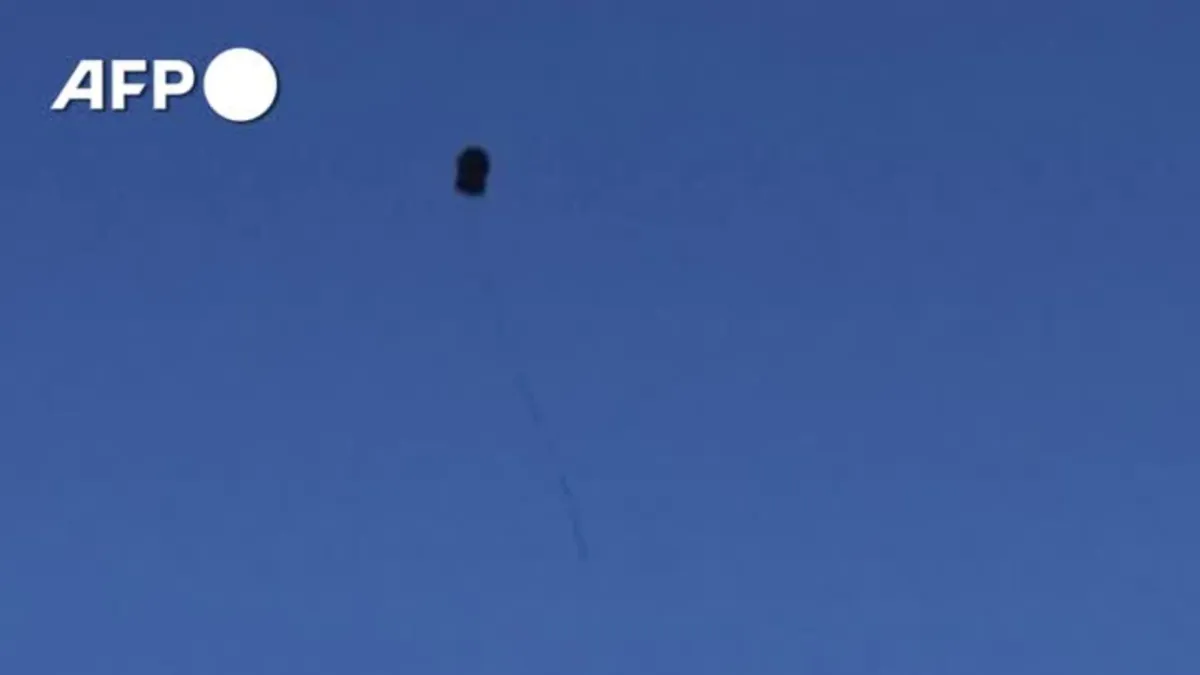
GAZA — Amidst simmering tensions, Palestinians in the Gaza Strip have once again launched a creative initiative: flying hundreds of message-carrying kites towards Israeli settlements in mid-2026. This symbolic act is not merely a children's game; it represents a non-violent statement of resistance aimed at transcending the physical and psychological boundaries of the protracted conflict. The messages, contained in small leaflets or images, serve as a potent representation of the Palestinian people's existence and aspirations in the face of occupation.
This movement is centered in the eastern border areas of the Gaza Strip, where direct views towards Israeli settlements are accessible. Young people and activists collaboratively launched kites adorned with Palestinian flags, maps of historic territories, or inspiring quotes about resilience. They capitalized on favorable wind conditions to ensure the messages reached across the border.
The motivation behind this action is to affirm the Palestinian presence and reject the narrative of neglect. It is a continuation of non-violent forms of resistance that have been frequently employed, demonstrating that the spirit of struggle remains alive despite various restrictions. Such actions are not new, but in 2026, this tactic once again finds its relevance as the voice of an oppressed people.
Kites, in the context of Palestinian culture, often symbolize freedom and hope. Soaring high in the sky, they represent aspirations to transcend the physical boundaries that constrain daily life. With this, the skies above the Gaza Strip and Israeli settlements transform into a canvas for political and humanitarian expression.
The content of the messages carried by the kites is diverse, ranging from calls to end the blockade, demands for justice for political prisoners, to expressions of longing for their homeland. Some even bear the inscription 'We are here, we will not leave,' affirming their right to the land.
The reaction from the Israeli side has varied. Some reports indicate increased surveillance at the border, and occasionally, military units attempt to intercept the kites using drones or other measures. However, generally, the Israeli military tends to view these actions as symbolic disturbances rather than significant physical threats, while remaining vigilant.
A coordinator of the action in Gaza, who preferred to remain anonymous, affirmed the movement's determination, stating, “If we cannot do it ourselves, those messages will reach them.” This statement reflects a firm belief that despite isolation, their voices will still be heard and reach others.
The psychological impact of this action on Palestinians is highly positive, fostering a sense of unity and hope. Meanwhile, for some Israeli settlers, the messages floating overhead might cause discomfort or prompt reflection on the ongoing reality of the conflict. It also serves as a reminder that the conflict is not just about militarism, but also about narratives and presence.
Middle East political analysts suggest that this kite tactic, though small, carries significant weight in the narrative war. It demonstrates the adaptation of Palestinian resistance in finding new ways to keep their issues at the forefront of regional and global public consciousness. This action also aligns with non-violent resistance efforts that garner international attention. Readers can explore this phenomenon further through the related article 'Festival Layang-Layang Palestina: Pesan Simbolis Melintasi Batas Konflik'.
Within the context of the 2026 global political situation, where peace efforts in the Middle East tend to be stagnant, this kite action serves as an informal push. It reminds the world that even if formal diplomacy is stalled, the grassroots conflict continues to find ways to express itself and attract attention.
The primary hope of these kite launchers is to break the silence, provoke thought, and build bridges of communication, even if only symbolically. They hope these messages can plant the seeds of awareness about their suffering and human rights among the international community and also to those across the border.
This kite movement affirms that even in the most difficult situations, creativity and the human spirit can be powerful tools to convey messages of peace and justice, transcending walls and barbed wire.