 Chandra Wijayanto
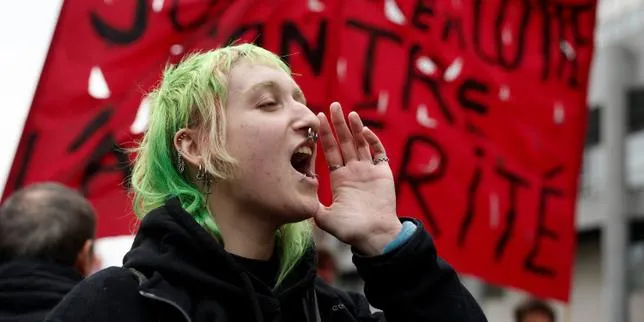
Paris – Thousands of high school students and university undergraduates filled the streets of Paris on Thursday, November 26, 2026, staging a massive demonstration resounding with calls to reject the 'normalization' of current conditions. They firmly demanded substantive changes to various policies deemed unsupportive of the future interests of the younger generation.
This demonstration serves as tangible evidence of deep-seated dissatisfaction among French youth. They voiced concerns over post-pandemic conditions and socio-economic and educational reforms that they believe have failed to meet expectations, even tending to worsen future prospects.
Several thousand young individuals, from lycee students to university undergraduates, gathered at various strategic points before marching towards the city center. Banners carrying demands for education system reform, increased employment opportunities, and social justice dominated the scene.
They asserted that 'returning to normal' is not a solution but rather an attempt to maintain a detrimental status quo. The phrase 'retour a la normale' in this context is interpreted as an acceptance of unresponsive policies to the real challenges faced by young people.
One of the protest coordinators, Lucie Dubois, a sociology student, stated, 'We will not give up on our demands. Normalization means accepting setbacks, accepting a system that does not work for us. This is a fight for our future.' Similar voices resonated from the ranks of the demonstrators, signifying strong determination.
Despite the fervent spirit of struggle, the specter of consequences for their academic year and semester haunted the minds of some demonstrators. Concerns about study delays or academic sanctions became a dilemma they had to face amidst the swirling protest.
However, for most, the determination to continue voicing their aspirations far outweighed personal risks. They view this mobilization as a long-term investment for better quality education and opportunities in the future.
The French government has yet to issue an official statement directly addressing this wave of student and youth protests. Observations indicate a tendency to monitor the situation while awaiting further developments, an approach that often exacerbates the frustration of protesters.
This student movement in Paris is not an isolated phenomenon. Throughout 2026, similar protests have emerged in several major European cities, highlighting issues ranging from living costs to climate change, reflecting a surge in youth activism.
This is a crucial moment for the government and educational institutions to listen carefully to the aspirations of the next generation. Ignoring their voices will only widen the credibility gap and trigger larger waves of protest in the future.
Editorial Insight: The student and youth demonstration in Paris indicates more than just momentary dissatisfaction. It is a manifestation of systemic failures to adapt to the needs and expectations of the younger generation in the post-crisis era. The rejection of normalization highlights a strong desire for fundamental restructuring, not just cosmetic improvements. If the French government fails to respond constructively, the potential for escalation and social polarization will increase, potentially affecting the political and social stability of the country.