 Robert Andrison
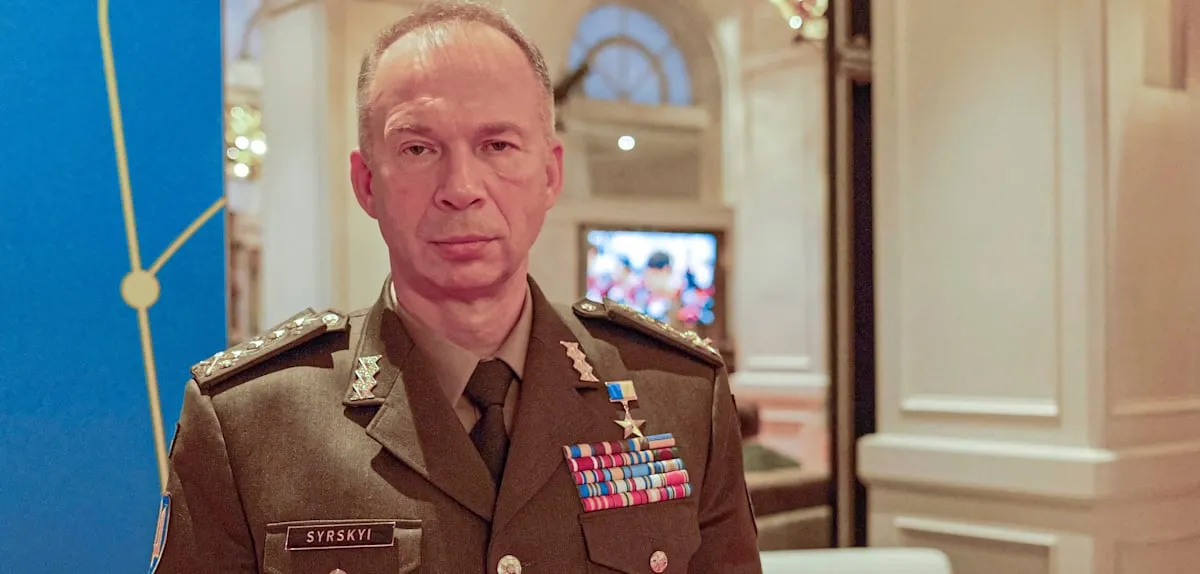
KIEV – Former Commander of the Ukrainian Ground Forces, Oleksandr Syrskyj, delivered a firm response to criticism from the United States regarding Kyivs military strikes deep behind enemy defense lines. In a 2026 interview, Syrskyj, who served until July last year, asserted that the front line situation had stabilized, while defending Ukraines offensive strategy as a crucial step in confronting aggression.
Syrskyj clarified that despite the ever-evolving dynamics of the conflict, Ukrainian forces managed to achieve significant stabilization on the front line. This statement emerged amidst intelligence reports and concerns from several Western nations, including the US, regarding potential escalation from Kyivs long-range attacks targeting strategic enemy territories.
Criticism from Washington, conveyed through diplomatic and military channels, highlighted concerns about retaliatory actions and their impact on regional stability. Some US officials considered these deep strikes a sensitive issue requiring further coordination between Kyiv and its allies. President Donald Trump, who returned to office in 2025, has emphasized the importance of a measured strategy to avoid broadening the conflict.
However, Syrskyj, now serving as a senior military advisor, insisted that these strikes are an integral part of Ukraines defense. Their primary objectives are to disrupt enemy logistics, destroy command centers, and reduce their capability to launch counter-attacks. This strategy, he argued, is vital for maintaining momentum and protecting Ukrainian civilians.
He added that decisions to conduct strikes behind enemy defense lines are always made after careful consideration. Each target is chosen based on its strategic value and potential impact on the war effort. Transparency and accountability serve as guiding principles in every military operation.
The situation on the Ukrainian front line in 2026 indeed shows a pattern of intense but concentrated combat. Although no significant territorial shifts have occurred in recent months, the conflict continues with relentless artillery bombardments and drone attacks. The advancement of drone technology, as highlighted in the article Freudings Vision: Bundeswehr to Completely Revamp Warfare, Relying on Drones and AI in Lithuania, is a crucial factor on the battlefield.
Syrskyjs statement also underscores the complexity of the relationship between Ukraine and its allies. While the US remains Kyivs primary supporter, differences in opinion regarding operational tactics occasionally surface. Balancing support for Ukrainian sovereignty with managing the risks of global escalation remains an ongoing challenge for Washington.
The former commander emphasized that trust and coordination with international partners continue to be top priorities. Open and honest discussions are necessary to address strategic differences and ensure that the provided support is effective and meets the needs of the battlefield.
In a broader context, the conflict in Ukraine continues to influence global geopolitics. Incidents such as the attack on a Russian warship in Benghazi, as reported in the article Russian Warship Attacked in Benghazi: Ukraine Conflict Spreads to Mediterranean?, demonstrate how tensions can extend to regions beyond the main conflict zone. This adds urgency to careful coordination.
Syrskyj affirmed that despite criticism, the spirit and determination of Ukrainian forces remain unwavering. They continue to fight for their countrys freedom and territorial integrity, with the conviction that adaptive and proactive strategies are key to achieving lasting peace.
Editorial Insight: Oleksandr Syrskyjs statement reflects the dual pressure facing Ukraine: defending its territory from aggression while balancing the expectations and concerns of its main allies. Syrskyjs firm response to US criticism underscores Kyivs strategic independence in confronting an existential threat. It also highlights potential frictions between Ukraines short-term military objectives and the long-term political goals of its supporters who wish to mitigate the risks of regional and global escalation.