 Chandra Wijayanto
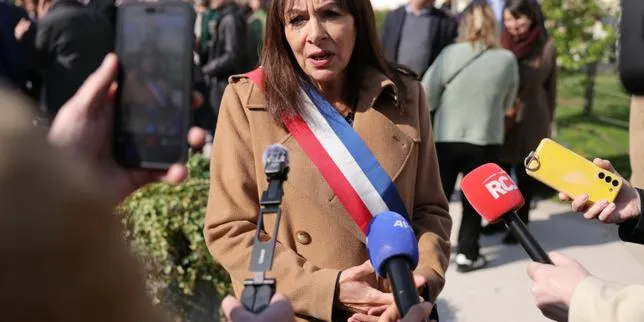
PARIS – Former Mayor of Paris, Anne Hidalgo, recently asserted that the pervasive incidents of violence in the capital's after-school (periscolaire) facilities reflect a 'collective failure'. This statement was delivered candidly during her testimony before a Senate commission investigating the prevention and handling of violence in this sector in 2026, highlighting the complex nature of an issue that extends far beyond individual responsibility.
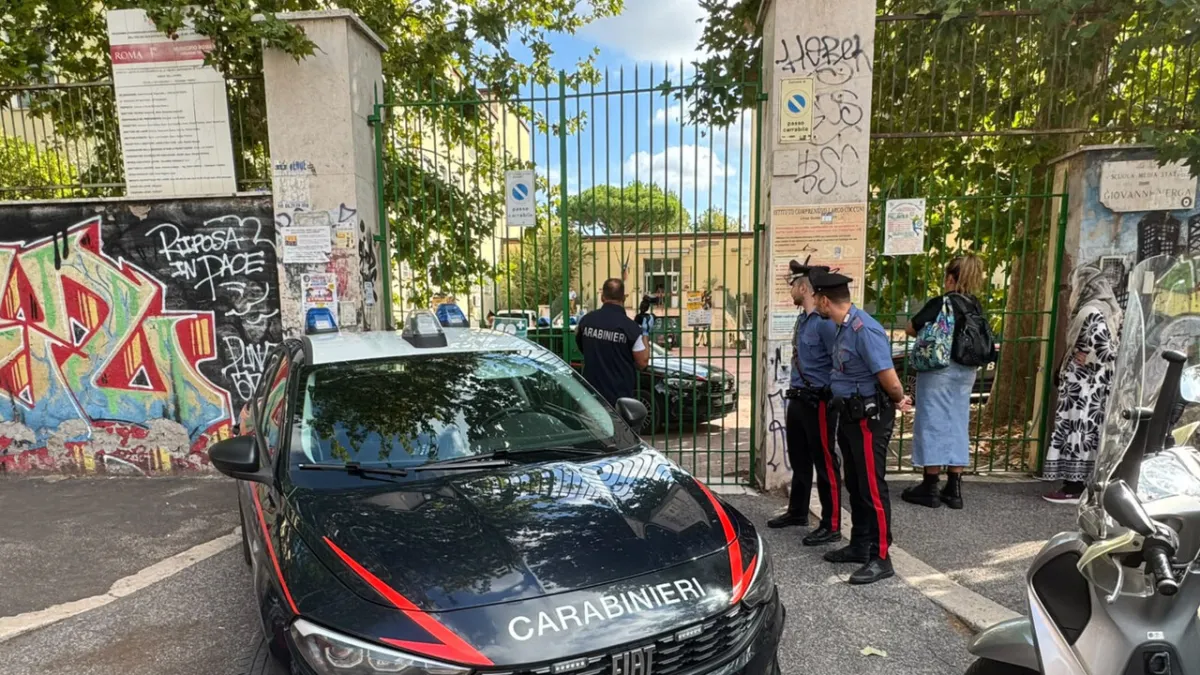
This Senate hearing represents a direct response to alarming reports concerning a rise in violence, both among children and between children and staff, across various after-school care facilities in Paris. The commission was established to thoroughly review existing policies and practices, and to formulate concrete recommendations aimed at ensuring the safety and well-being of children.
Hidalgo, who governed Paris for many years, acknowledged the existence of 'dysfunctions' within the oversight and operational systems of the periscolaire programs. However, she firmly refused to bear sole responsibility for these conditions. For her, the issue is a reflection of broader structural challenges, involving multiple parties and layers of government.
The concept of 'collective failure' articulated by Hidalgo implies that the problem cannot be attributed to a single entity. Instead, it is an accumulation of weaknesses in collaboration among the city government, teaching staff, facility management, parents, and even central government policies. This prompts critical questions regarding the effectiveness of inter-agency coordination.
Periscolaire programs play a vital role in the lives of Parisian children, providing care and educational activities after school hours. Millions of children rely on these facilities daily, making them an important pillar of the city's educational and social system. Therefore, incidents of violence within these environments raise serious concerns among the public and stakeholders.
The increase in violence in child education settings can lead to detrimental long-term impacts, not only for direct victims but also for the entire educational ecosystem. It can disrupt children's emotional and psychological development, and erode parental trust in a system that is supposed to protect them.
Residents of Paris and throughout France are now awaiting the outcome of this Senate investigation. There is significant hope that the commission's findings will lead to comprehensive and sustainable solutions, rather than merely identifying scapegoats. The public demands tangible steps to ensure a safe learning and play environment for the younger generation.
This situation is also inseparable from the broader dynamics occurring within the French education sector. The issue is further complicated by the significant challenges faced by the French education sector, including the threat of hundreds of contract teachers becoming unemployed as reported in The Impact of Education Reforms 2026. This instability could potentially worsen the quality of supervision and programs in periscolaire facilities.
Budget cuts, excessive workload for staff, and inadequate training are often cited as contributing factors to the 'dysfunctions' acknowledged by Hidalgo. If periscolaire facilities lack sufficient resources or motivated staff, the potential for negative incidents will inevitably increase.
The former mayor stressed that the city government had exerted maximum effort with the resources available. However, she suggested that without broader reforms and stronger support from the national level, these fundamental problems would be difficult to overcome.
Senators are expected to delve deeper into the root causes, considering various perspectives from experts, parents, staff, and government officials. The goal is to create a stronger framework for preventing violence and responding to it effectively.
Hidalgo's refusal to accept sole responsibility is a common political tactic, but it can also hold truth. Complex social problems like child violence are rarely caused by a single factor or individual. They require a multi-sectoral approach and close collaboration.
Editorial Insight:
Anne Hidalgo's statement regarding 'collective failure' is not merely a political evasion; it is a call for collective introspection into shared responsibility for safeguarding children's safety in public environments. The pervasive nature of this issue demands that city, national governments, and communities unite to formulate integrated solutions. Failing to do so will ensure similar incidents continue to plague the system, eroding public trust in institutions meant to nurture the future.