 Edward DP Situmorang
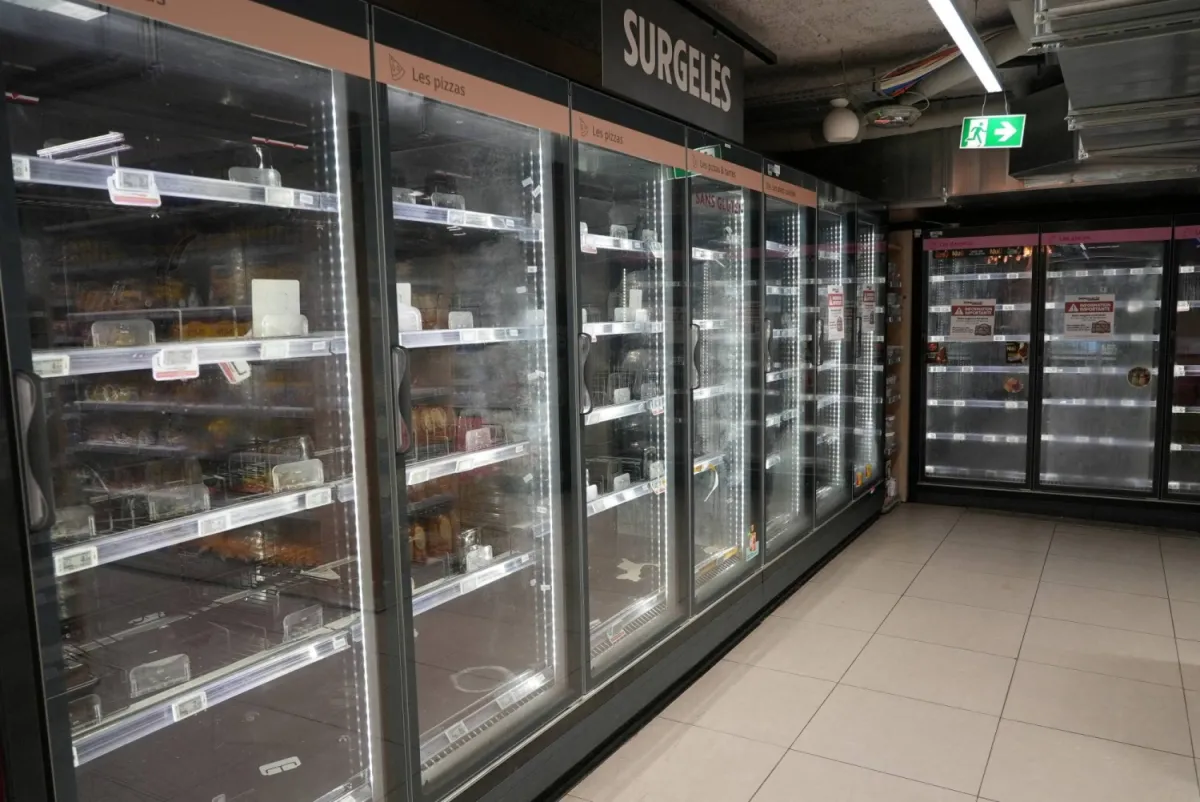
PARIS – The French government has officially accused a cyber offensive unit linked to Iran's Revolutionary Guard as the primary actor behind a series of cyberattacks targeting cooling appliances across Europe. This serious accusation was made public through a joint report released by French intelligence and cyber agencies recently, prompting a vow of firm retaliation from Paris. This incident marks a new escalation in international cyber tensions, with Iran under significant scrutiny.
The comprehensive report, a result of close collaboration between French spy services and the national cybersecurity agency, outlines the modus operandi and evidence pointing to the direct involvement of the Iranian cyber entity. The attacks, which targeted refrigerators and other cooling devices, are suspected to have motives of espionage or broader infrastructure sabotage. However, specific details regarding the full impact of these attacks remain under thorough investigation.
French officials assert that these actions are not merely ordinary cyber incidents but organized attacks requiring a proportionate response. An internal source from the French Ministry of Foreign Affairs stated, We will not tolerate foreign interference that undermines our digital stability and security. The perpetrators will be held fully accountable. This statement underscores Paris's seriousness in confronting increasingly sophisticated cyber threats.
The repercussions of these accusations are expected to extend beyond the cyber domain. Geopolitical analysts predict that this incident could further strain already tense diplomatic relations between France and Iran. The potential for new sanctions or equivalent retaliatory actions in cyberspace cannot be ruled out, as France remains committed to protecting its national interests and the digital security of the European Union.
Cyberattacks on vital infrastructure or Internet of Things (IoT) devices like refrigerators can serve as entry points for malicious actors to collect sensitive data, launch larger attacks, or even disrupt widespread system operations. The nature of this attack indicates an escalation in tactics and targets employed in modern cyber warfare.
The European intelligence community is now heightening its vigilance following this incident. Several European Union member states are also reportedly reviewing their cybersecurity protocols. This situation emphasizes the urgency of international collaboration in addressing evolving cross-border cyber threats.
The Iranian government, through a spokesperson for its Ministry of Foreign Affairs, has dismissed the accusations as 'unfounded propaganda' aimed at discrediting the Islamic Republic. They insist that Iran itself is a victim of cyberattacks and would never engage in such aggressive acts. However, this denial has not been sufficient to defuse the escalating tension.
This is not the first time Iran has been accused of involvement in cyber activities detrimental to Western nations. History records several incidents where Tehran allegedly orchestrated cyber campaigns targeting financial institutions, industrial facilities, or government entities. For further context, the public can read a previous report on a similar issue: France Accuses Iran of Masterminding Mass Cyberattacks on European Freezers.
Nevertheless, this latest accusation, specifically targeting household appliances, indicates an expansion of cyberattack tactics that can affect people's daily lives. This adds a new dimension to cyber threats that previously focused more on critical infrastructure.
Responses from the United States and other European allies are also anticipated. Donald Trump, the President of the United States, is known for his firm approach towards Iran and will likely support his European allies in confronting what is perceived as cyber aggression.
Now, the focus shifts to the concrete steps France and its partners will take. Will this lead to diplomatic sanctions, retaliatory cyber operations, or increased collective cyber defense? These questions will determine the direction of global cyber dynamics in the coming period of 2026.
Editorial Insight: France's accusation against Iran concerning cyberattacks on cooling appliances is a clear indicator of the shifting landscape of cyber warfare, now extending to consumer devices. If proven, this represents not only a data security threat but also potential disruption to increasingly integrated Internet of Things (IoT) infrastructure. France's strong reaction and potential allied support could trigger a broader cycle of escalation, demanding that the international community promptly formulate a stronger cyber framework.