 Chandra Wijayanto
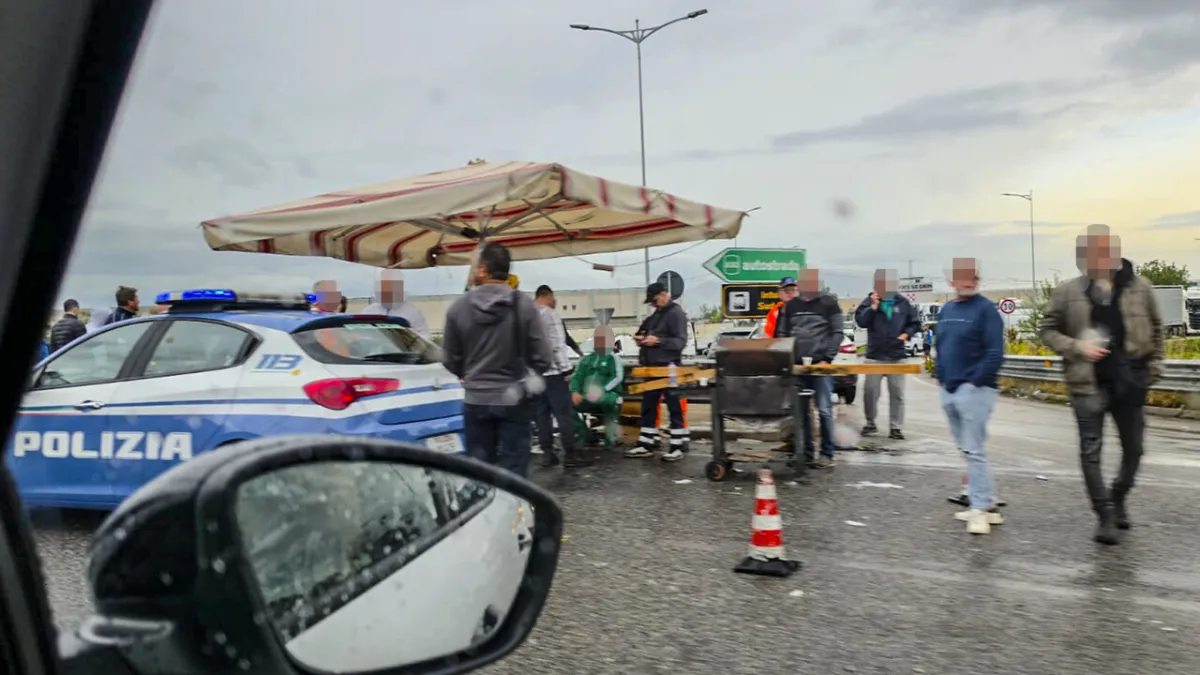
ROME – Massive protests by the road transport sector have once again paralyzed significant parts of Italy, particularly in the southern regions, sparking fears of a logistics crisis and disruption to public services. The Italian Ministry of Interior (Viminale) announced that, to date, 1,339 individuals have been identified for involvement in illegal blockades, while 71 others have been formally reported to legal authorities. Mayors of major cities like Bari and Naples have issued serious warnings about the potential for complete paralysis of essential services.
The Mayors of Bari, Antonio Decaro, and Naples, Gaetano Manfredi, separately detailed the critical impact on their city infrastructures. Both highlighted significant difficulties in waste collection operations and public transportation systems, vital for millions of citizens. This situation is leading to garbage accumulation in various city corners and hindering citizen mobility.
Beyond public services, the industrial sector has also been severely affected. Industrial associations in Campania and Puglia expressed deep concern, stating that many companies face collapse due to severed supply chains and distribution of essential goods. Production is disrupted, deliveries are delayed, and cumulative financial losses are inevitable.
The most severe impact is felt in the aviation sector. Vital airports in Crotone and Reggio Calabria are reportedly experiencing fuel shortages. This has forced flight cancellations and created long queues, isolating these regions from air connectivity.
Italys main highway networks are not immune to the blockades effects. The A1 and A30 motorways have experienced closures in several sections and unavoidable traffic jams, causing severe congestion for hours. These blockades effectively sever national transport arteries, massively impeding the movement of goods and people.
The Italian government, through Viminale, affirmed its commitment to maintaining public order and ensuring the smooth flow of economic activities. The identification and reporting of individuals involved in illegal blockades represent a preliminary step to uphold the law and restore the situation.
This protest is not the first time Italy has faced challenges from the transport sector. Fluctuating economic conditions, rising fuel prices, and demands for improved working conditions often serve as primary triggers. Truck drivers voice their aspirations, which unfortunately culminate in national-scale disruption.
This situation reflects the vulnerability of the country's logistical infrastructure to mass demonstrations. The economic reliance on road transport grants this sector significant leverage, but also the potential to cause widespread chaos.
The fuel supply crisis at airports, as seen in Crotone and Reggio Calabria, is a critical indicator of how quickly the blockade's impact can spread to other sectors. This paralysis affects not only the availability of goods but also safety and emergency services.
The public awaits a concrete response from the government to address the demands of the truck drivers, while also ensuring that the right to protest does not compromise public interest. Effective negotiation and long-term solutions are urgently needed.
The Italian government is urged to promptly find a way out of this impasse, either through constructive dialogue or firm action against those who violate the law, to allow social and economic life to recover.
Related articles such as Truck Drivers Cripple Southern Italy: Airports in Fuel Crisis, Highways Halted and Southern Italy in Uproar: Truck Drivers Paralyze Region, Salvini Urges Immediate Funds! have previously highlighted similar situations.
Editorial Insight: This transport crisis gripping Southern Italy underscores the urgent need for the government to develop more resilient mitigation strategies against supply and logistics disruptions. The cascading effects, from public services to the aviation industry, confirm that sectoral protests can quickly escalate into a threat to national stability. It is crucial for Rome to balance the right to demonstrate with the fundamental societal need for smooth essential services.