 Chandra Wijayanto
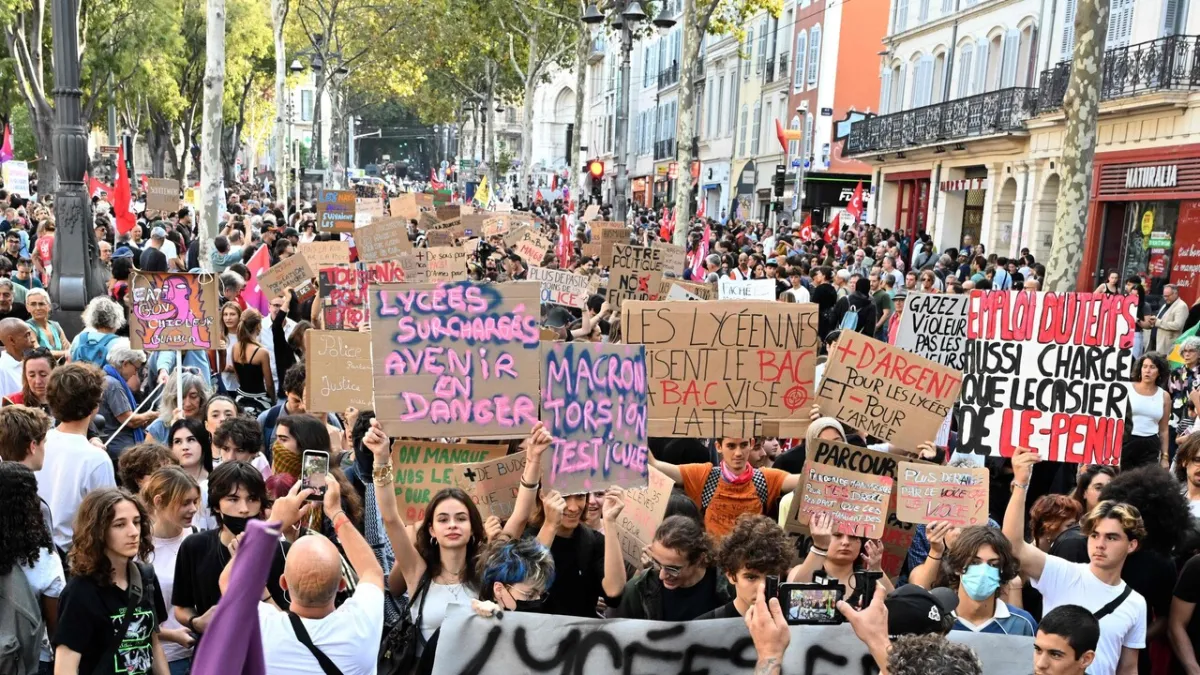
PARIS – Thousands of students across France have once again taken to the streets in early 2026, marking a third wave of protests that intensifies pressure on the government over education reform policies and socioeconomic conditions. This massive mobilization, spreading from Paris to other major cities like Lyon and Marseille, demands serious attention from authorities regarding the future of the younger generation.
These mass actions are a continuation of dissatisfaction that peaked since late last year. The root cause lies in proposed higher education reforms deemed detrimental, as well as concerns over limited job opportunities and the increasing cost of living for young people. Students feel the government has been unresponsive to their aspirations, fueling an accumulation of anger now openly expressed.
Demonstrators, primarily university and high school students, gathered at strategic points. In Paris, crowds filled Place de la Republique before moving towards government buildings. Banners demanding educational justice and job opportunities were widely displayed, calling for fundamental changes.
Leading student unions, such as UNEF, stated that these protests reflect deep disappointment with the direction of national education policy. We will not stand by idly as our future is at stake, said a UNEF representative during a speech in Toulouse, affirming their commitment to continue the struggle. They demand constructive dialogue and the cancellation of several points in the reform draft.
The French government, through the Minister of Higher Education, stated its willingness to engage in dialogue during a brief press conference. However, he also emphasized the importance of maintaining public order and rejected anarchic actions. This statement has not eased tensions among students, who feel that promises of dialogue often do not lead to concrete solutions.
The global economic climate in 2026, still facing post-pandemic challenges and inflation, further exacerbated the situation. Students feel that job prospects after graduation are increasingly bleak, making their investment in education seem disproportionate. This issue adds to the long list of grievances voiced on the streets.
This wave of demonstrations also recalls France's long history of student movements, which have often been catalysts for social change. From May 1968 to various other movements, students have always been at the forefront in voicing aspirations and pressuring the government. This historical context gives significant political weight to the current movement.
The situation in France is not isolated. Several other European countries also face similar challenges regarding education and youth welfare. However, the intensity of mobilization in France indicates a high level of frustration. This highlights the need for the government not just to react, but also to proactively seek long-term solutions.
Anti-riot police were visible at various protest locations, although most demonstrations have been peaceful so far. Security forces aim to prevent actions from escalating into vandalism or physical confrontations, a lesson learned from previous protest waves that sometimes involved incidents.
It is important to note that deep-seated anger over educational neglect has been a crucial issue in France for several years. Complaints about inadequate budgets, outdated facilities, and curricula irrelevant to modern job market needs have long resonated among academics and students.
The government faces a major dilemma: between the need for structural reforms for competitiveness and the obligation to listen to public aspirations, especially from the younger generation who will bear the brunt of these policies. A compromise solution capable of accommodating both sides is vital to ease tensions.
Editorial Insight: The ongoing wave of student protests in France in 2026 indicates that issues of education and the future prospects of the younger generation remain a simmering ember, ready to ignite at any moment. A slow or half-hearted government response will only worsen the situation and potentially trigger broader social instability. Without substantial dialogue and policies that address the root causes, this unrest could become a severe test for the legitimacy and effectiveness of the current administration. The government must learn from France's long history of student mobilizations, which have often succeeded in altering national policy direction.