 Debby Wijaya
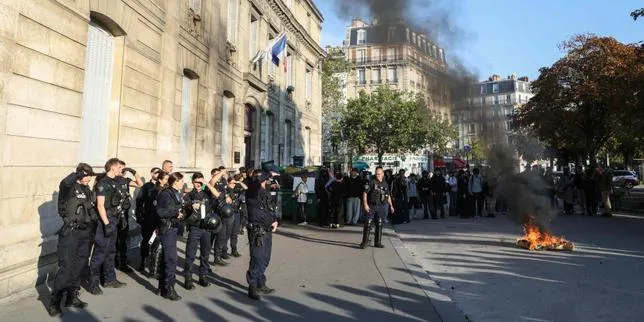
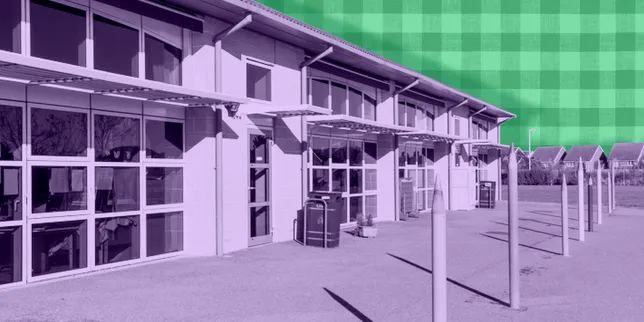
PARIS – A wave of student discontent has once again swept through the French capital. This Tuesday, fewer than a dozen lycees, or high schools, in Paris experienced blockades, according to official statements from the city's rectorate. This action responds to a nationwide call from the Union syndicale lyceenne (USL), a leading student union, as part of a public sector mobilization day across France.
The lycee blockades occurred concurrently with broader demonstrations organized by public sector trade unions. Students joined to voice their concerns over various issues, ranging from education reforms to government policies deemed detrimental to the younger generation.
The Union syndicale lyceenne, the main driver of this call, urged students to actively participate in the movement. They emphasized the importance of solidarity between students and workers to press for changes in government policy.
Although the call for blockades was national, the impact in Paris remained relatively concentrated at a few points. The figure of fewer than a dozen affected lycees indicates that security authorities and schools successfully managed the situation in many other educational institutions, at least in the capital.
This event is inextricably linked to France's long history of student protests. In the past, waves of lycee blockades have spread significantly. For instance, in previous years, up to 180 lycees across France were reportedly blocked, demonstrating the potential for escalation.
The Paris rectorate continues to monitor the situation closely, ensuring the safety of students and staff. Intensive communication is maintained with schools to anticipate potential further disruptions and ensure teaching and learning activities proceed as they should.
While specific demands from student unions are not always detailed publicly on every occasion, such protests typically stem from concerns about education budgets, school facility conditions, or curriculum. Employment opportunities for graduates are also frequently highlighted.
The contrast between the fewer than a dozen figure in Paris and the scale of the national mobilization raises questions about the effectiveness of USL's call in the capital compared to other regions. However, it is important to remember that even small blockades can send a powerful political message.
Student movements often serve as a barometer of broader public dissatisfaction and can sometimes trigger political reactions. Previously, lycee blockade issues have also been a stage for political accusations, with the government accusing opposition parties of politicizing the issue.
Whether these blockades will subside or ignite a larger wave of protests remains to be seen. However, what is clear is that the aspirations of the younger generation, expressed through student unions, continue to be an important voice in France's socio-political landscape.
Editorial Insight: The lycee blockade incident in Paris, despite its relatively limited scale compared to the national call, nonetheless represents a significant pulse of discontent among French students. This action is not merely an isolated incident but a reflection of broader tensions between the aspirations of young people and government policies. The solidarity between student unions and public sector workers underscores a potential social alliance that could shape future political dynamics. The government needs to heed these signals to avoid an escalation of protests that could disrupt educational and social stability.