 Dorry Archiles

ZURICH – The Cardano cryptocurrency holder community has firmly rejected a $5 million proposal from the entity Toto Finance aimed at acquiring physical copper reserves. This decision, which materialized on Sunday as the voting period concluded, underscores the complexity and power of decentralization in blockchain project governance. Although the majority of ADA coin holders showed support, the unanimous rejection by all members of the constitutional committee was a crucial factor in scuttling the commodity investment initiative.
Toto Finance, an entity operating within the Cardano ecosystem, submitted a treasury request for 22 million ADA. This request, if approved, would have been equivalent to approximately $5 million, allocated for purchasing physical copper to be stored in warehouses. This move was perceived as an attempt to diversify assets and hedge against potential market fluctuations or increasingly uncertain inflation.
The voting process revealed an interesting dynamic. Approximately 20 million ADA were recorded as voting 'in favor' of Toto Finance's proposal. This figure reflects substantial support from the coin holder base who believed in the commodity investment strategy. However, the final outcome was determined by Cardano's multi-layered governance mechanism.
The key to the rejection lay with the seven members of the Cardano Constitutional Committee. Despite significant community support, not a single committee member voted 'yes' on the proposal. The constitutional committee's role is crucial; they act as guardians of the network's integrity and strategic direction, ensuring decisions align with Cardano's long-term principles and vision.
The acquisition of copper, as a vital industrial commodity, is often a strategic investment choice. With high demand from the renewable energy and manufacturing sectors, copper is considered a solid asset. Toto Finance's decision to target this commodity may have been driven by a desire to stabilize their treasury's value from crypto market volatility.
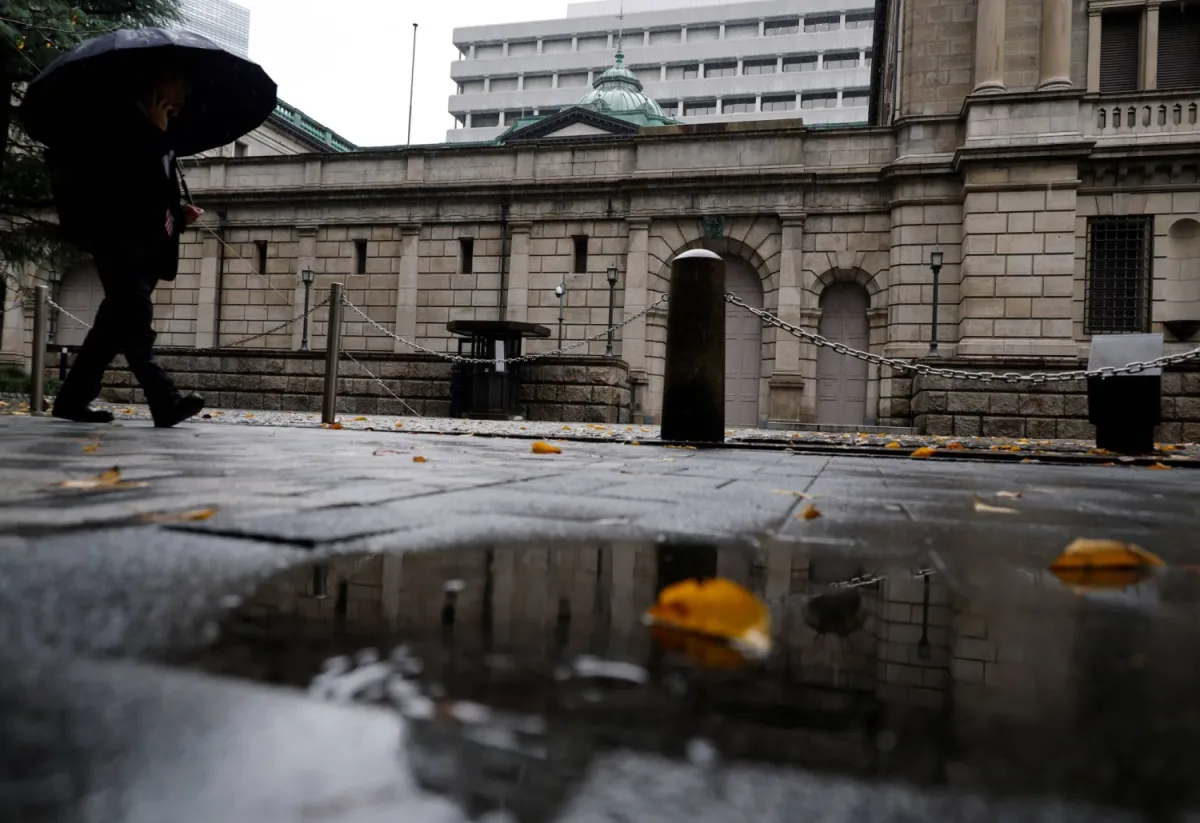
In the context of the 2026 global economy, which is still seeking balance after various turbulences, asset diversification remains an important strategy for many investors. Several countries, including Japan, are still facing significant economic challenges, such as inflation squeezing the purchasing power of their citizens. This phenomenon brings alternative assets into the spotlight.
The debate surrounding investment in Real World Assets (RWAs) by blockchain projects is intensifying. While RWAs offer potential stability and clear intrinsic value compared to digital assets, their integration into decentralized governance structures presents complex operational, legal, and logistical challenges.
Cardano's governance model, known for its meticulous and research-driven approach, emphasizes a phased decision-making process involving various stakeholders. This layered structure, encompassing community voting and oversight by special committees, is designed to prevent hasty decisions that could harm the ecosystem.
This rejection will certainly have implications for Toto Finance. They will need to re-evaluate their investment strategy and perhaps seek other ways to diversify assets or craft a proposal that is more aligned with the Constitutional Committee's vision and the broader community. This demonstrates that innovation in the crypto space must go hand-in-hand with governance acceptance.
Despite the supporting votes from the community, this final rejection affirms the weight of Cardano's existing checks and balances mechanism. It is a tangible demonstration of how decentralized governance can function as a filter, even when faced with proposals that garner majority attention.
This decision also sets an important precedent for other blockchain projects exploring the integration of RWAs into their treasuries. It highlights the necessity for proposals that are not only financially attractive but can also withstand rigorous scrutiny regarding feasibility, risk, and alignment with the network's fundamental mission.
Looking ahead, Cardano will likely continue to focus its efforts on core protocol development, smart contract functionality enhancements, and ecosystem growth. This experience may strengthen the network's commitment to robust governance and careful decision-making, which can ultimately boost long-term investor confidence.
Editorial Insight:
The rejection of the $5 million copper investment proposal by the Cardano Constitutional Committee is more than just a financial veto; it is a strong statement on the boundaries and priorities within a decentralized ecosystem. It demonstrates that even with majority support, fiscal policy and asset diversification must align with the project's core principles and sustainability. This incident will likely spark further discussion on how DAOs can effectively manage real-world assets without compromising the fundamentals of decentralization and security.