 Chandra Wijayanto
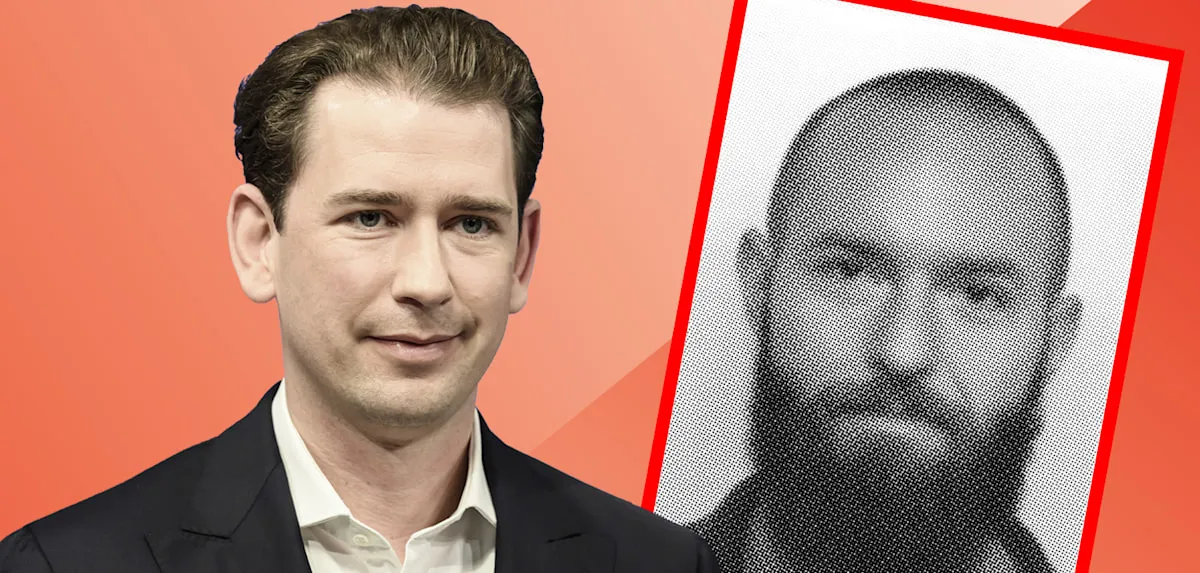
VIENNA – The global political and financial landscape has been rocked by a sensational confession from Jan Marsalek, the former Wirecard executive who is now an international fugitive. Marsalek claims to have been involved in the process of ousting Sebastian Kurz from the Austrian Chancellor's office. This astonishing information emerged from investigative documents obtained and verified by the Axel Springer Global Reporters Network, sparking a new wave of questions about the hidden intrigues behind the scenes of power.
Marsalek's claim, from a figure central to the multi-billion euro Wirecard accounting fraud scandal, significantly escalates the complexity of investigations into international white-collar crime networks. How a fugitive with a serious criminal record can claim interference in high-level politics of a European nation is a crucial question that needs to be unraveled.
The documents released by the Axel Springer Global Reporters Network contain Marsalek's explicit testimony regarding his role in the political events that led to Kurz's resignation in October 2021. While specific details of Marsalek's modus operandi have not been fully disclosed, this confession indicates a deeper connection between the world of financial crime and political destabilization.
Sebastian Kurz, the former Austrian Chancellor, previously faced a series of corruption allegations and abuse of power, culminating in investigations into alleged bribery and publicly funded political image campaigns. Scandals such as the 'Ibiza affair' and probes into collusion with media had eroded public trust and forced his resignation.
Marsalek's involvement in these events, if proven, would add a new, darker dimension to Kurz's downfall. This would no longer be merely a domestic corruption case, but a potential external interference, even from an individual sought by international law enforcement for massive financial crimes.
The Wirecard scandal itself is one of the largest corporate frauds in German history, resulting in the loss of billions of euros and the collapse of a fintech company once hailed as a competitor to Visa and Mastercard. Marsalek disappeared shortly after the scandal erupted in June 2020, leaving a trail of questions about his whereabouts and network.
His confession now suggests that Marsalek's activities may not have been limited to the financial sector but also extended into the political realm with damaging effects. This highlights the vulnerability of political systems to infiltration and manipulation by shadowy actors possessing vast financial resources.
Austrian and European Union authorities are likely to revisit the Kurz case with this new revelation. Marsalek's claim could reopen investigations that may have subsided or provide a fresh perspective that strengthens suspicions of a broader conspiracy.
Another intriguing aspect is Marsalek's motive for making such a claim while still at large. Is this an attempt to gain leverage, deflect attention, or perhaps a veiled threat against certain parties who might be involved? These questions remain unanswered.
This disclosure from the Axel Springer Global Reporters Network also underscores the vital role of investigative journalism in uncovering the truth behind the curtains of power and crime. With information obtained from internal documents, the public can gain a more complete picture of global political dynamics.
The Austrian government has not yet issued an official statement regarding these latest claims, but public pressure for transparency and a comprehensive investigation is expected to mount. The implications for political stability and public trust in state institutions will be significant, especially if there is concrete evidence of systematic foreign interference.
Editorial Insight: Jan Marsalek's confession regarding his involvement in the ousting of Austrian Chancellor Sebastian Kurz is a political ticking time bomb. If this claim is supported by strong evidence, it will expose a new dimension of transnational crime's threat to democratic integrity. It could also catalyze international law enforcement to pursue Marsalek more intensely, while urging nations to bolster their defenses against political manipulation orchestrated by non-state actors with hidden economic or geopolitical motives. This case has the potential to reshape our understanding of how political power can be destabilized from within by dark forces operating outside the formal arena.