 Dorry Archiles
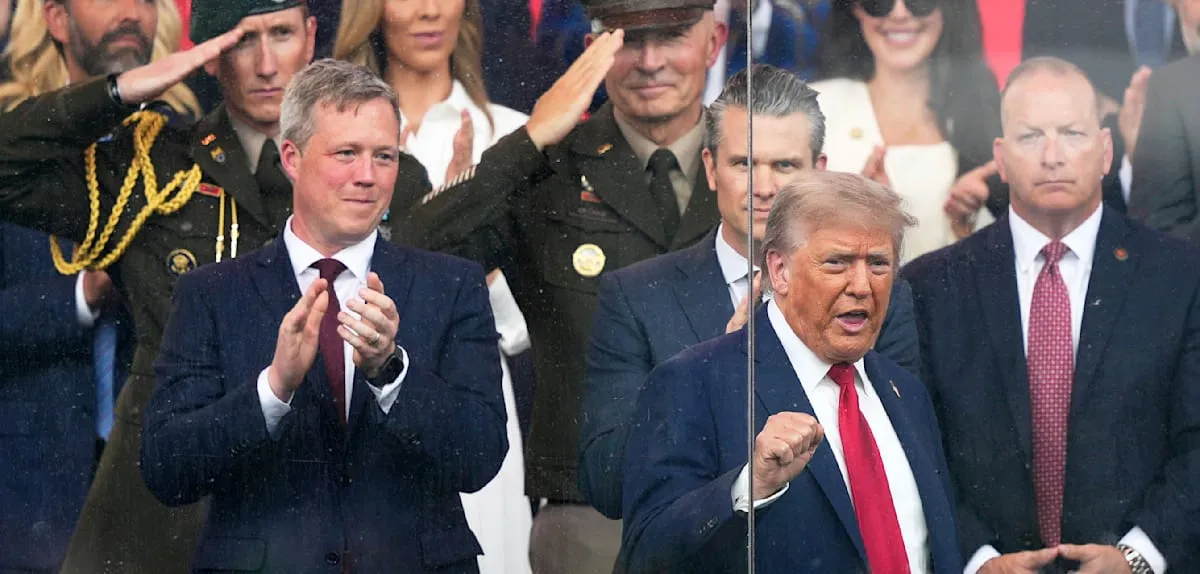
WASHINGTON D.C. – A significant shake-up has rocked the corridors of power in the United States following the resignation of Daniel Driscoll from his post as US Army Secretary. The decision comes after the individual, known as a close confidant of Vice President J.D. Vance, had served for merely eighteen months.
Reports from various US media outlets indicate that sustained tensions were the primary catalyst behind this abrupt departure. Sources suggest Driscoll had been embroiled in an intense dispute with Defense Secretary Hegseth for some time.
Hegseth, a central figure within the Department of Defense, reportedly harbored significant differences in opinion with Driscoll regarding the strategic direction and operational aspects of the Army. This misalignment created a challenging working environment at the highest echelons of the Pentagon.
As the top civilian official for the Army, Driscolls role was crucial in overseeing policy, budgets, and personnel. His departure leaves a leadership vacuum that requires immediate attention.
Driscolls brief tenure at the Pentagon, spanning only about eighteen months, highlights the persistent challenges administrations face in maintaining stability within executive ranks. Such uncertainty can impact troop morale and the implementation of military programs.
Driscoll, a highly respected individual with strong ties to Vice President Vance, was believed to bring a fresh perspective upon his initial appointment. However, it appears this was insufficient to bridge the differences with the Defense Secretary.
This resignation adds to a series of high-level personnel changes within President Donald Trumps administration in 2026. Stability within the defense establishment remains a critical focus amid dynamic global geopolitical shifts.
The US administration has not yet issued an official statement detailing the precise reasons behind Driscolls resignation. However, speculation regarding internal friction has been widespread among journalists and defense analysts.
Observers suggest this incident could raise questions about coordination and cohesion within the Department of Defense. The importance of synergy between the Army Secretary and the Defense Secretary cannot be overstated, especially in safeguarding national security.
Driscolls successor will face the daunting task of stabilizing relations with the Defense Secretary and advancing the Armys agenda. The upcoming appointment will be closely scrutinized by the public and US Congress.
This situation underscores the complexity of leadership within defense institutions, where political loyalty and military operational needs must be balanced. Personal conflicts or differing visions can have serious consequences.
Speculation regarding the impact of this resignation on short- and long-term US military policy is also emerging. Many hope that the leadership transition will proceed smoothly without disrupting the Armys vital missions.
Potential names are already being floated as candidates for the replacement, drawn from both military and civilian circles. President Trump is expected to take swift action to fill this strategic position.
Daniel Driscolls decision to step down reaffirms that even at the highest levels, the dynamics of personal and professional relationships can dictate careers and policy direction. Clarity and effective communication are paramount.
This event also serves as a reminder of the immense pressure borne by senior officials within government circles. High expectations and political friction often form an inseparable part of such roles.
Driscolls resignation opens a new chapter for the US Department of Defense. Attention will now turn to how the administration will address this vacancy and ensure effective leadership continuity.
Editorial Insight: Daniel Driscolls resignation signals more than just a personal disagreement; it reflects potential structural tensions within the Pentagon hierarchy. His close ties to Vice President Vance and conflict with Defense Secretary Hegseth illustrate the intricate power dynamics within the Trump administration. His swift departure could destabilize defense bureaucratic efficiency, necessitating President Trump to swiftly appoint a successor who is not only competent but also capable of bridging internal divides to maintain focus on crucial national security challenges.