 Angela Stefani
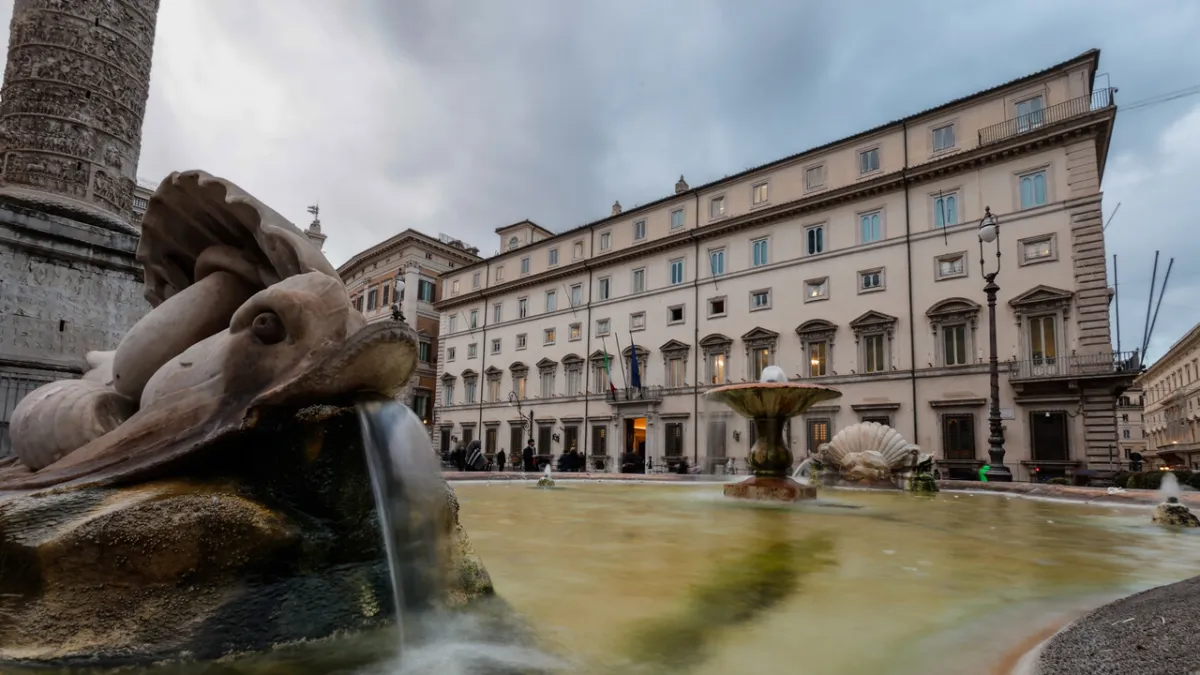
ROME – Italy's national budget bill discussions have faced a significant delay due to a procedural error in the Council of Ministers' agenda. This situation intensifies tensions within the government, particularly concerning Foreign Minister Antonio Tajani's insistence on realizing income tax (IRPEF) cuts aimed at the middle class.
News of this delay, which emerged today, sparks concerns about fiscal stability and the government's ability to fulfill its economic promises. The budget bill, or 'manovra', is a crucial document that dictates the country's economic policy direction for the coming year.
Antonio Tajani, an influential figure within the ruling coalition, has consistently called for tax reforms that benefit the public, especially to ease the financial burden on the middle class. 'We must ensure that the middle class directly benefits from government efforts,' Tajani stated, as quoted by several media sources. He added that tax cuts are a strategic step to boost domestic consumption and investment.
The error in preparing the Council of Ministers' agenda is reportedly the primary cause for postponing these vital discussions. Although details regarding the nature of the error have not been transparently explained, this incident highlights potential administrative weaknesses at the heart of Italy's government bureaucracy.
This delay is not merely a technical issue; it also reflects the complex political dynamics within the coalition. Various factions may hold differing views on spending priorities and acceptable deficit levels, especially amidst ongoing global economic pressures.
In 2026, the global economy continues to face volatility, with inflation potentially surging again in several regions. Prudent fiscal policy is essential to maintain public purchasing power and stimulate growth. In this context, Tajani's commitment to IRPEF cuts demonstrates the government's focus on stimulating domestic demand. Further information on economic challenges can be found in our article on Crushing Inflation: Prices Up 60%, Property Soars 100% in Two Decades.
IRPEF cuts themselves have been one of the ruling party's key campaign promises. Their realization is expected to provide a significant boost to middle-income households, who have borne a considerable tax burden. However, implementation requires careful calculation to avoid uncontrolled budget deficit expansion.
Economic analysts are closely monitoring these developments. They emphasize the importance of clear communication from the government to alleviate market uncertainty. A prolonged delay could send negative signals to investors and credit rating agencies, potentially affecting government borrowing rates.
Similar situations have occurred previously in other European Union countries, where budget debates often become an arena for political struggles. However, with Italy's economy still vulnerable post-pandemic and the energy crisis, timeliness and efficiency in budget formulation become even more crucial. Prime Minister Meloni herself has advocated for long-term flexible energy solutions for the EU, as summarized in the news Meloni Urges European Union: Energy Needs Long-Term, Flexible Solutions.
The Council of Ministers is expected to promptly address the 'error' in their agenda and resume budget bill discussions. Political pressure from Tajani and public expectations for tax cuts demand a swift response from the government to prevent a crisis of confidence.
Editorial Insight: The delay in the Council of Ministers' agenda, leading to a postponement of budget discussions, reveals internal challenges within the Italian government in aligning priorities. Minister Tajani's insistence on cutting IRPEF reflects a strategic effort to maintain popularity among the middle class, as well as an attempt at economic stimulus. However, without solid coordination, incidents like this could damage the country's credibility and fiscal stability in the eyes of the European Union and global markets. The government must promptly demonstrate seriousness to avoid perceptions of dysfunction.